





 English
  Francês
  Alemão
  Italiano
  Japonês
  Norueguês
  Portuguese
  Spanish
 3 min of reading


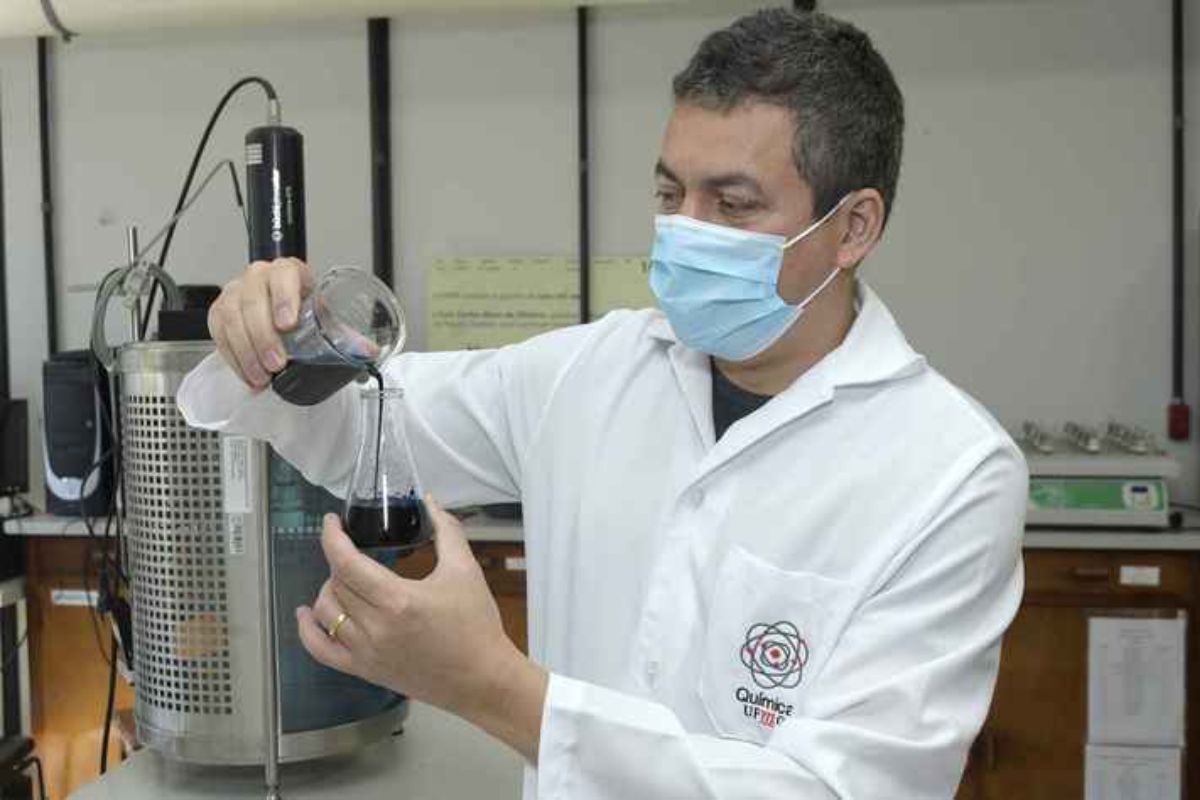
Federal University of Minas Gerais (UFMG) Research Develops National, Non-Toxic Technology to Combat Fungi in Crops
In yet another unprecedented achievement, Brazilian researchers have created a fungicide using niobium nanoparticles, completely non-toxic and capable of helping farmers combat pests in corn and soybean crops. This national technology has been tested both in the lab and in the field, demonstrating excellent results. Unlike pesticides, the new compound does not harm the crop, does not pose risks to humans, and even has bio-stimulation properties, meaning it stimulates plant growth.
The idea becomes even more interesting when we remember that Brazil possesses one of the largest reserves of niobium in the world, which can be obtained at low cost. Brazil holds 90% of the world’s niobium reserves, primarily located in the state of Minas Gerais. Want to know more about this product? Then read the article.
Learn How Niobium Is Produced in Araxá, Minas Gerais, the Largest Operating Reserve in the World, in the Video Below.


Studies Began in 2020 Due to Fungal Problems in Soybean and Corn Crops
Professor Luiz Carlos Oliveira from the Chemistry Department of UFMG is one of the main researchers behind the study, which started in 2020 using niobium nanoparticles. The motivation arose from the ongoing problems in crops due to fungi and ineffective fungicides or excessive pesticide use.
-
While Russia dominates the global wheat market, Brazil emerges as an unexpected competitor in the Cerrado, offering grain available in July and August when stocks in the Northern Hemisphere are at their lowest point of the year.

-
China returned almost 20 Brazilian ships with soybeans, but now everything could change: the country that buys 80% of the grain is considering relaxing regulations after impurities held up shipments of thousands of tons and caused million-dollar losses.

-
Chinese giant worth nearly R$ 4 billion that manufactures cables for electric cars, solar energy, and robotics wants to open a factory in SC.

-
Many employers do not know, but the law guarantees domestic workers a 25% increase in salary during trips, 50% for overtime, 20% for night shifts, and 17 additional benefits that can lead to labor lawsuits if not paid.

“Almost all fungicides used in Brazil are imported, and in addition to being costly, they are chemical/synthetic products that require precautions in their use due to different levels of toxicity. We developed a unique niobium molecule and found a promising alternative for these issues.”
Luiz Carlos Oliveira, one of the study researchers from the Chemistry Department of UFMG (2022).
In other words, researchers then sought to create a new inorganic fungicide, based on niobium, that has a low environmental impact and poses no harm to humans.
Tests of Niobium Fungicide in the Laboratory and in the Fields Showed Impressive Results
The preliminary tests of the product have already indicated encouraging results in the lab, and field research, simulating real crop situations, only confirmed the initial findings. Soybean crops underwent testing with the new compound, conducted by a company specialized in testing environments, to standardize the results.
When the results were compared to commercially available pesticide brands, the fungicide showed effects as good as these, with an efficiency margin close to 100% in all analyses. All tested concentrations inhibited the growth of fungi in soybean crops.
So, Why Is Niobium Effective Against Fungi in Crops?
Luiz Carlos Oliveira explains that niobium nanoparticles are very promising because their structure induces the formation of a very thin film on soybean leaves. This film protects the plants from fungal activity by disrupting the respiration of these organisms and preventing their proliferation.
Additionally, this physical barrier stimulates light absorption and plant growth. The fungicide can also act in post-harvest cases for corn and soybeans, preventing fungal proliferation in products until they reach the market. Thus, the benefit is twofold.
Tests were also conducted to combat coffee rust and showed even better efficacy than existing commercial products to address this type of problem. According to the findings, UFMG’s niobium fungicide was twice as effective as conventional pesticides.
The niobium nanoparticle has been studied at UFMG for over 10 years and has already resulted in 11 patent applications (when the created item is unprecedented in the world and has not been made before). It is another victory for Brazilian science making a difference in agribusiness and in corn and soybean crops!








Seja o primeiro a reagir!