





 English
  Francês
  Alemão
  Italiano
  Japonês
  Norueguês
  Portuguese
  Spanish
  4 min of reading


Slow Charging Times Are Retaining Potential Electric Car Buyers, But Emerging Science Says Fast Charging Battery Is Possible Using Niobium Batteries.
Electric cars are gaining popularity quickly, but some potential buyers remain hesitant. A major reason is that charging this category of vehicles is slow. While today’s drivers are used to filling up a gas tank in under five minutes, electric cars, depending on battery size and specifications, typically take at least 30 minutes to charge 80% at the fastest charging stations on the market. But this situation may change with the arrival of niobium batteries.
Lithium Battery Potential
In five or ten years, however, much faster charging may be possible. Companies are developing new materials for lithium-ion batteries, as well as new “solid-state” and niobium batteries, which are more stable at higher charging speeds.
They could put recharge rates of 20 minutes or less within reach. Meanwhile, a team of scientists has recently designed a lithium battery prototype that, under laboratory conditions, can recharge over 50% of its capacity in just three minutes—and do so thousands of times without significantly degrading. This, researchers say, could pave the way for batteries that can fully recharge in less than 10 minutes.
-
Engineers propose a fourth traffic light for intersections – the change promises to affect crossings, queues, and waiting times.
-
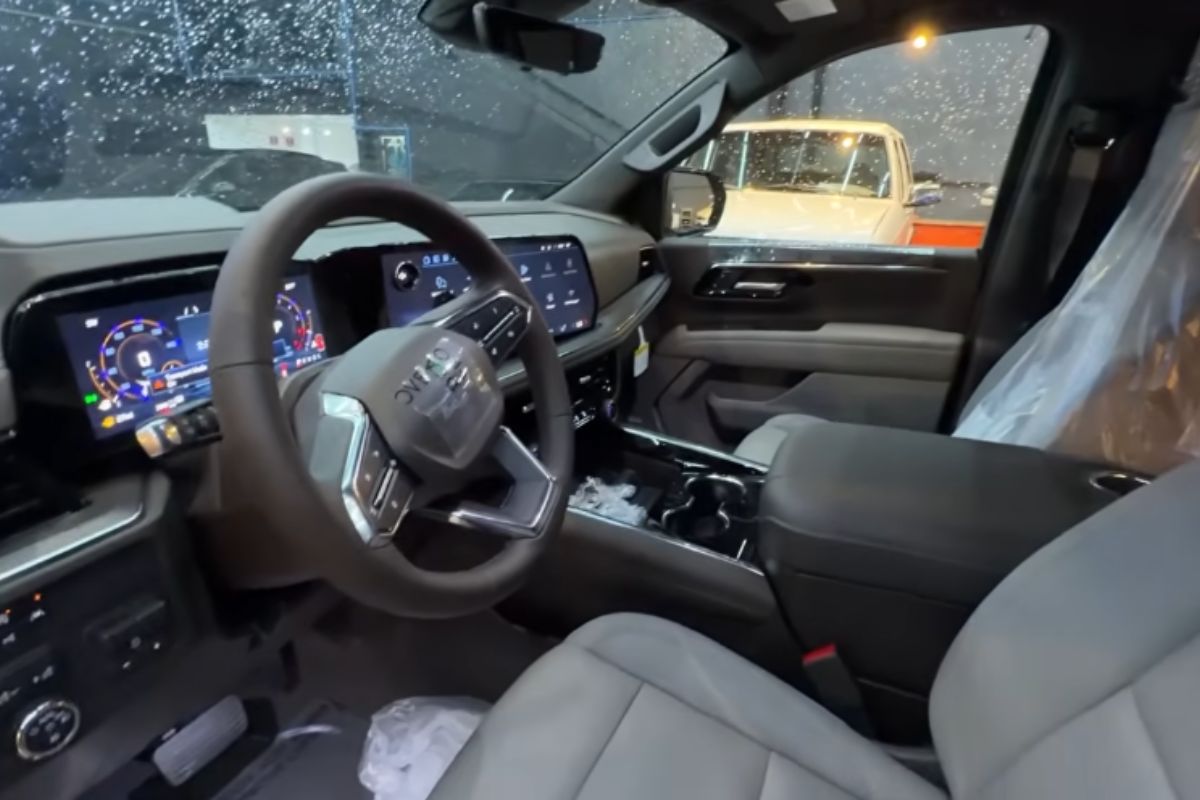
Chevrolet Suburban Z71 lands in Brazil with a V8 engine, off-road design, air suspension, seven seats, and colossal size, a rare version imported for around R$ 1.3 million with luxury and exclusivity.
-
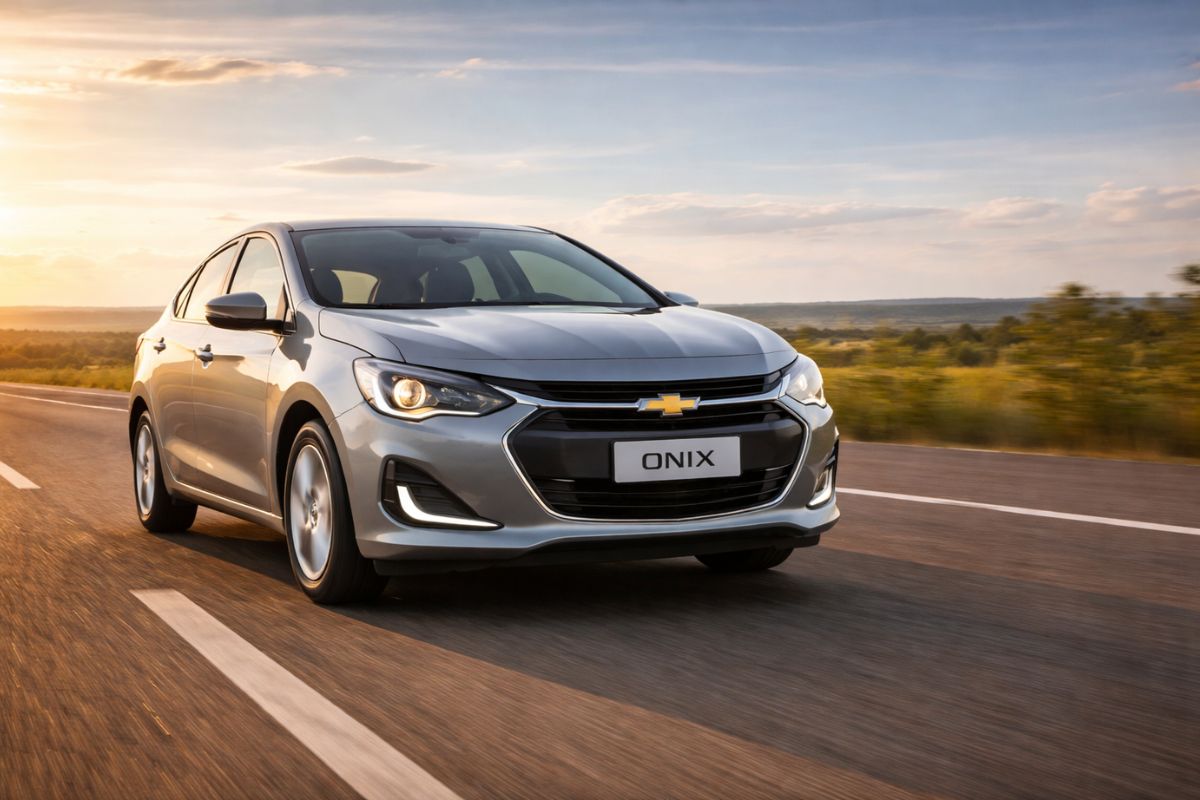
The Chevrolet Onix 1.0 turbo achieves 17.7 km per liter on the highway and ranks among the three most economical cars in Brazil in 2026, alongside two more expensive Toyota hybrids available at dealerships.
-
Little sister of the Hilux: Toyota launches Land Cruiser FJ with 4 radical versions, 2.7 engine with 166 hp and 4×4 traction with locking.

However, there are still science and engineering challenges to overcome before ultra-fast charging electric car batteries are technically viable and affordable. And some experts question whether electric cars that can charge so quickly are truly the future we want—at least with the electric grid we have now.
Electric Cars Could Be Charged in Under 10 Minutes with Niobium Batteries
The charging time for nickel-based niobium batteries is under 10 minutes, with no risk of damage or explosion, compared to 3-8 hours for more typical lithium-ion batteries, because niobium replaces graphite in the battery, says scientist L. Ribas.
Niobium batteries can be half the size of carbon-based batteries, but their lower energy density offers a range of 350 km instead of 500 km. The final price for both types of battery should be the same, US$ 100/kWh.
“The magic number to compete with the internal combustion engine”, according to Ribas. “Battery technology is a trade-off game: we don’t yet have a technology that can deliver all the properties that end-users are looking for. To have some advantages, you pay a penalty on the others”, he said.
Currently, the main product of CBMM is ferroniobium, with the capacity to produce 150,000 mt/year for the steel industry, accounting for 75% of the company’s revenue of R$ 6.98 billion in 2020.
“The steel industry, including the segment of high-strength steel alloys, will be our core business for at least 10 years, but we are looking to diversify”, said Ribas. “Our strategic plan is for batteries to represent 25% of our revenue in 10 years.”
A Future of Ultra-Fast Charging?
While adding 300 km of range in 15 minutes is fast, it is still a long way from being ready for a trip in five minutes. Those hoping for such a charging experience may want to wait for the next generation of battery technologies. One way to make a lithium-ion battery that can charge safely even faster is to use alternative anode materials.
For example, UK-based startup Echion Technologies has developed a niobium anode that does not promote lithium plating or dendrite formation. Batteries made with this material can be charged “as fast as you want”, says CEO Jean De La Verpilliere.
Its prototype battery cells can be charged in six minutes “without affecting safety or battery life”, according to the developer. However, this fast charging comes at a price: niobium anodes store less energy per unit mass than conventional graphite ones. As electric car manufacturers tend to prioritize energy-dense batteries (which can last longer on a single charge) over ultra-fast charging batteries, Echion is currently targeting other markets for its batteries, such as grid storage and power tools.
Eventually, De La Verpilliere envisions a version of these niobium batteries being used in fleets of vehicles where any downtime to recharge costs money for the business. For individual drivers seeking a greater amount of kilowatts, emerging solid-state battery designs are promising.
In such batteries, lithium ions flow through a solid electrolyte, usually ceramic, instead of liquid. Since liquid electrolytes are flammable, this makes the battery safer. It also opens the possibility of using different anodic materials that are more resistant to lithium plating and, therefore, can be charged more quickly.









Seja o primeiro a reagir!