





 Portuguese
  English
  Spanish
 5 min of reading
  0 comments


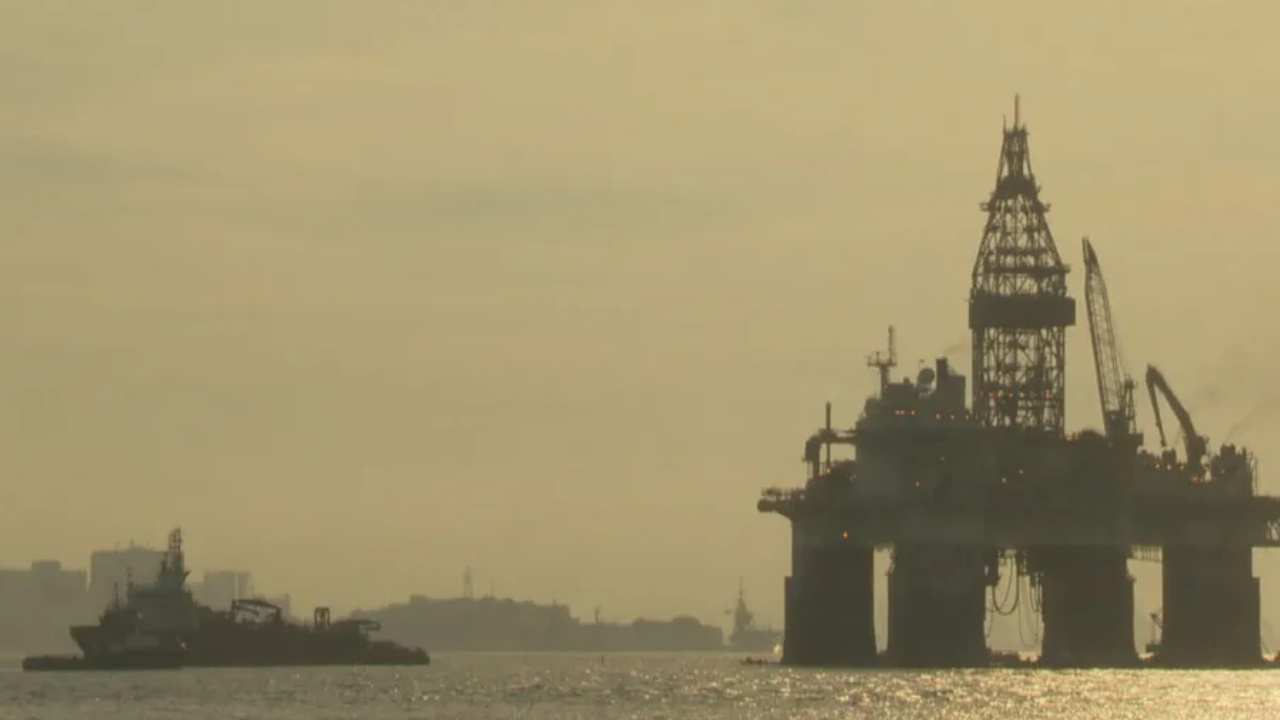
Even With the Impact of Oil on GDP, Niterói Bets on Economic Diversification, New Investments, Professional Training, and Infrastructure to Reduce Dependency on Royalties and Expand Jobs.
The dependency on oil has returned to the center of the economic debate in Niterói following the release of the latest data on the Gross Domestic Product (GDP) of the municipalities by the Brazilian Institute of Geography and Statistics (IBGE). In 2023, the city lost its share of the national GDP, a movement associated with the accounting retraction of the oil activity.
Nevertheless, the scenario was not interpreted by the municipal administration as a sign of crisis. On the contrary. The decline reinforced the strategy of accelerating economic diversification and reducing exposure to oil fluctuations, especially those related to exchange rates and the international price of the barrel.
Oil Fluctuations Do Not Always Reflect the Real Economy
According to the Federation of Industries of the State of Rio de Janeiro (Firjan), the negative variation of GDP does not necessarily indicate a reduction in the physical production of oil. The Gross Value Added (GVA) of extraction is calculated based on three main factors: volume produced, international oil price, and average exchange rate.
-
A study confirms that the natural gas sector will reduce greenhouse gas emissions in Brazil by 0.5% and accelerate the energy transition by 2026.

-
Petrobras implements a severe adjustment and confirms a 55% increase in the price of aviation kerosene with a proposal for installment payments for the companies.

-
The rise in oil prices could ensure an extra revenue of R$ 100 billion for the Federal Government, indicates a recent economic study.

-
Naturgy begins an investment of R$ 1.6 million to expand the gas network in Niterói and benefit thousands of new residences and businesses.

In the analyzed period, the impact was primarily caused by the appreciation of the real against the dollar and by fluctuations in commodity prices. Since oil is priced in foreign currency, the conversion to real reduces the nominal value of production, even when offshore operations remain stable.
Firjan also emphasizes that extraction occurs offshore. Therefore, the direct effect of oil on the local economy is limited. The main channel of impact continues to be the collection of royalties and special participations.
Management of Royalties and Less Dependency on Oil
In light of this scenario, the central challenge for Niterói remains the efficient management of resources from oil and the expansion of economic alternatives. The city hall believes that reducing dependence on oil revenues is crucial for ensuring fiscal stability and sustainable growth.
The strategy involves stimulating sectors capable of generating jobs, expanding the tax base, and strengthening the urban economy, thereby decreasing vulnerability to external variations that affect the calculation of oil GDP.
Urban Sectors Gain Prominence in the New Economic Matrix
The Department of Economic Development (Seden) has been directing investments towards a wide range of activities. The prioritized sectors include technology, startups, automotive industry, transportation, private security, electronics, education, hospitality, culture, gastronomy, health, beauty, clothing, and civil construction.
These areas form the backbone of the city’s service economy. Moreover, they concentrate a significant portion of formal jobs and ISS revenue. According to the department, support includes training, productive credit, bureaucratic simplification, and incentives for opening new businesses.
Credit and Entrepreneurship as Growth Engines
Among the highlighted programs is the Niterói Entrepreneurial initiative. This initiative offers zero-interest loans, with grace periods and extended deadlines, targeted at micro and small enterprises, startups, and even newsstand vendors.
According to Seden, the goal is not only to pay off debts but to modernize businesses and expand production capacity. The expectation is to stimulate local entrepreneurship and reduce indirect dependency on oil as a source of income.
Professional Training Accompanies the Economic Transition
Workforce qualification is treated as a strategic axis. The city offers courses focused on shipbuilding, fishing, and technology, with training in welding, boiler making, ship painting, and occupational safety.
Despite market fluctuations, the shipbuilding industry still plays a relevant role in the local economy. Therefore, the city hall bets on a continuous cycle of training, preparing workers and companies to meet current and future demands.
Job Creation Signals Structural Change
The results are already showing in the job market. In 2024, Niterói recorded the best cycle of formal job creation in the last decade. The balance surpassed 7,500 new signed jobs.
The highlights were in the services, commerce, civil construction, and blue economy sectors. For the municipal administration, the figures indicate that the city is advancing in a concrete transition to a more diversified economic matrix that is less dependent on oil.
Economic Infrastructure Aims at the Blue Economy
In the structural field, projects related to the blue economy remain a priority. The dredging of the São Lourenço Canal is considered essential to ensure competitiveness for shipyards, facilitate the circulation of vessels, and attract new port, logistics, and offshore services.
The city hall treats the project as an economic development policy. The initiative is associated with the reorganization of public assets along the coastline, focusing on attracting private investments.
Fishing Terminal and Urban Revitalization on the Agenda
Another strategic project is the revitalization of the Niterói Fishing Terminal. The proposal seeks to reposition the city as a hub for receiving, processing, and selling fish, incorporating technology, sanitary control, and better logistics.
In the urban environment, the requalification of downtown Niterói integrates the economic strategy. Seden works to stimulate the commercial real estate market, attract hotel chains, and structure a real estate fund aimed at occupying underutilized areas with services, culture, and creative economy.
Oil Still Weighs on Economic Rankings
Even with the recent downturn, oil remains influential in national indicators. Data from IBGE shows that only 25 municipalities accounted for 34.2% of Brazil’s GDP in 2023. Niterói is in the 14th position, while Maricá figures in 4th place.
The study also points out that several cities in the state of Rio have lost GDP share due to the decline in oil extraction. Still, municipalities with the highest per capita GDP in the country remain strongly linked to oil activities.
“It is curious to observe that the municipalities at the top of this list are linked to oil even in a context unfavorable to this commodity,” said Luiz Antonio do Nascimento de Sá, an analyst at IBGE.







Seja o primeiro a reagir!