





 Portuguese
  English
  Spanish
  4 min of reading
  1 comment


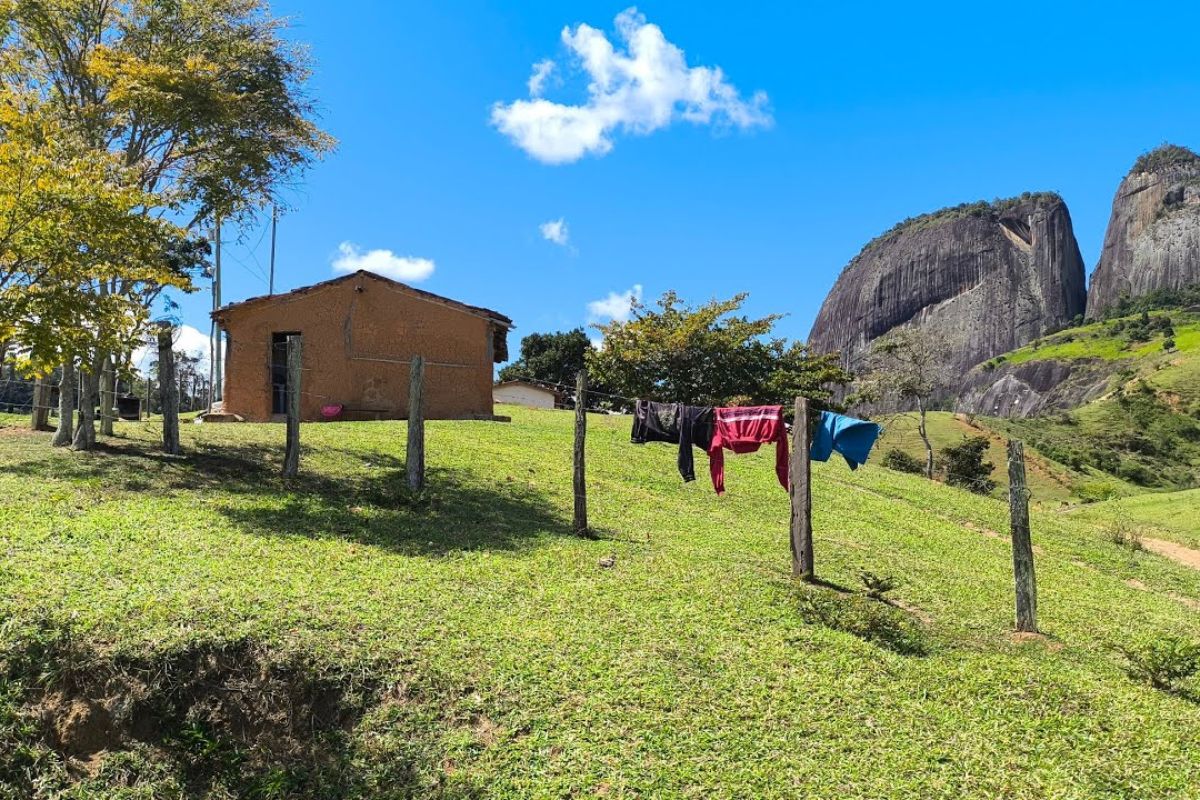


On Top Of A Mountain With Almost One Kilometer, The Shelter Appears Isolated Amidst Giant Stones And A Painting-Like View. Nearby, Mineral Water Springs From A Rock, Flows Through Hoses, Has Never Dried According To Residents And Supplies More Than Six Houses In The Region To This Day.
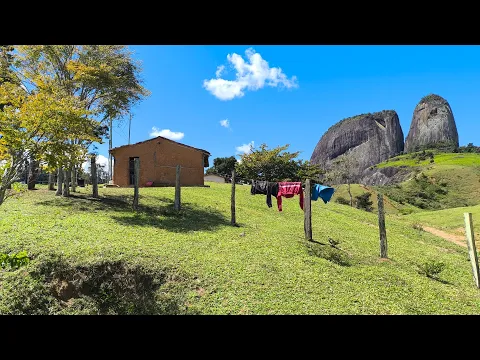
On April 2, in the municipality of Palmópolis, Minas Gerais, the shelter is located atop a mountain of almost 1 km high, surrounded by a sea of stones and with a view described as “looks like a painting”.
In the same scenery, residents point out a difference that sustains life up there: crystal clear water that springs from a rock, is treated as “mineral water” and, according to reports, has never dried, even supplying several houses in the region.
The Shelter At The Top: Simple, Isolated And With A Breathtaking View

The image draws attention for its contrast. The shelter is described as simple and isolated, but positioned at a high point, surrounded by giant stones and a landscape that the very record compares to a painting.
-
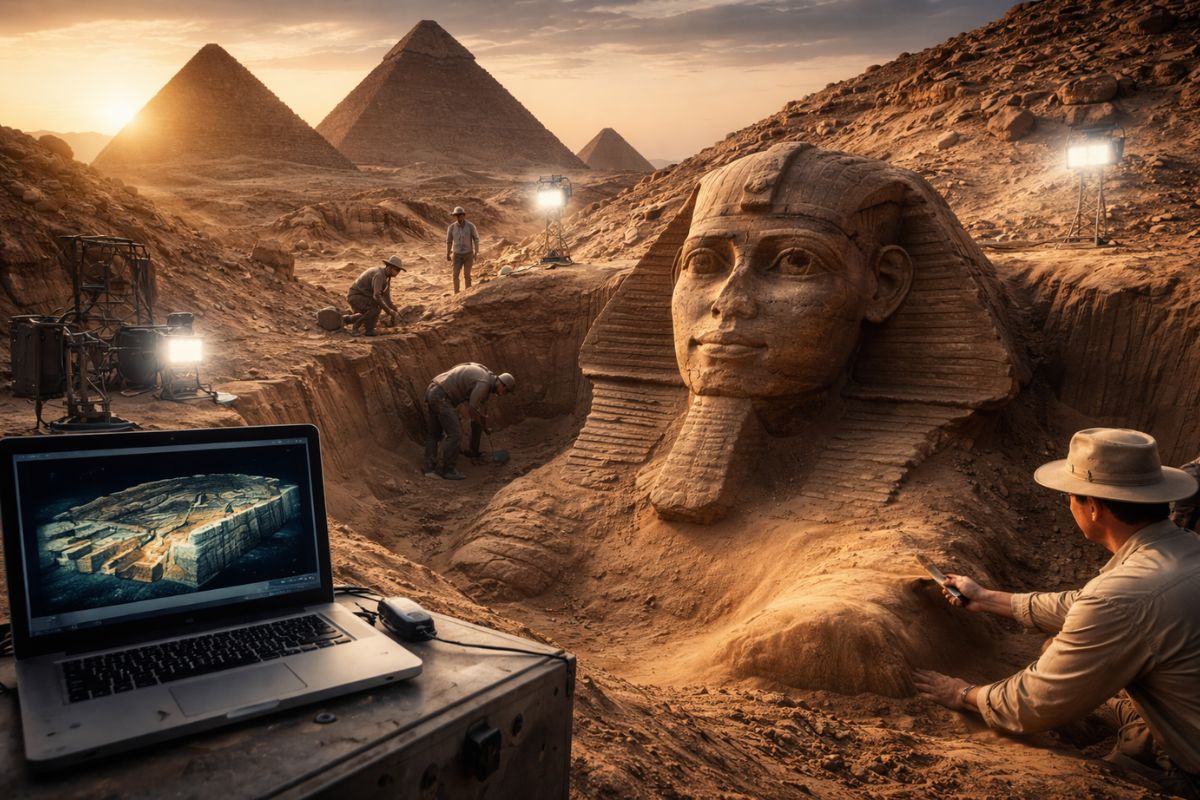
Italian researchers have detected what appears to be a second Sphinx buried under the sands of Egypt, and satellite scans reveal a gigantic underground megastructure hidden beneath the Giza Plateau for over 3,000 years.
-
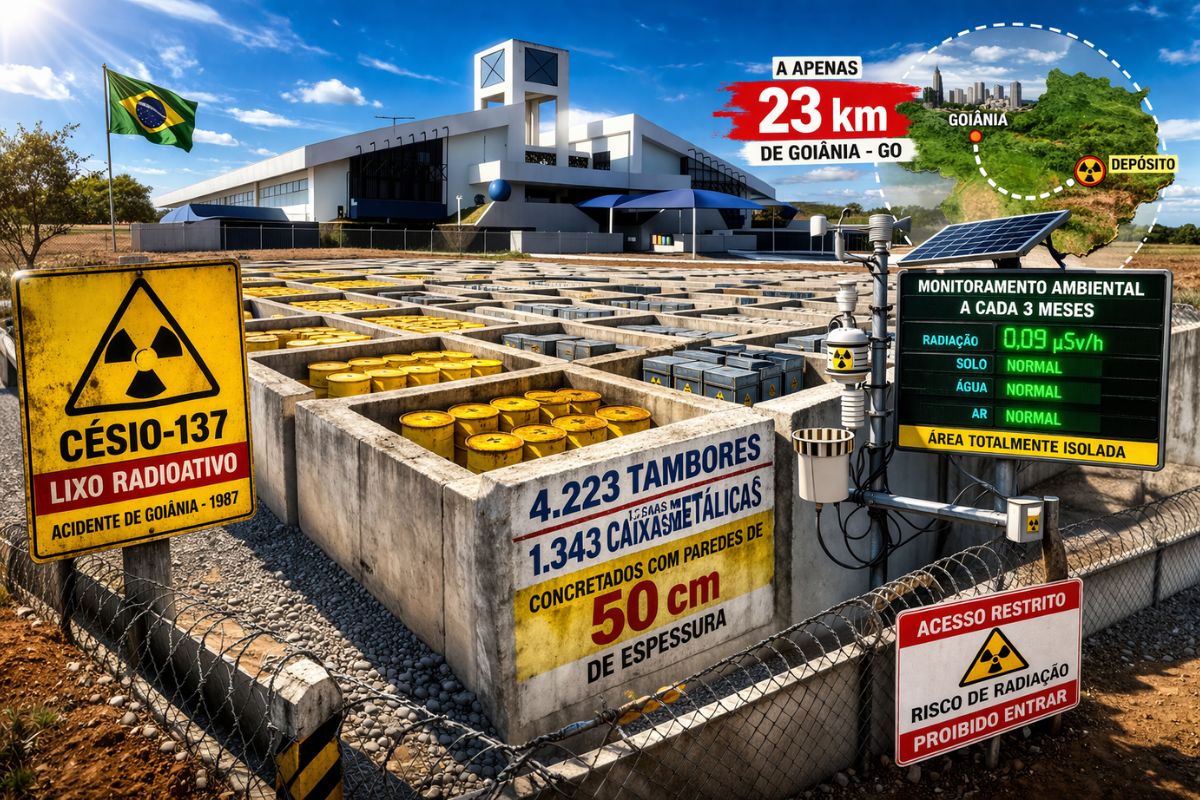
There are 4,223 drums and 1,343 metal boxes concreted with 50-centimeter walls that store the radioactive waste from Cesium-137 in the worst radiological accident in Brazil, just 23 kilometers from Goiânia, with environmental monitoring every three months.
-
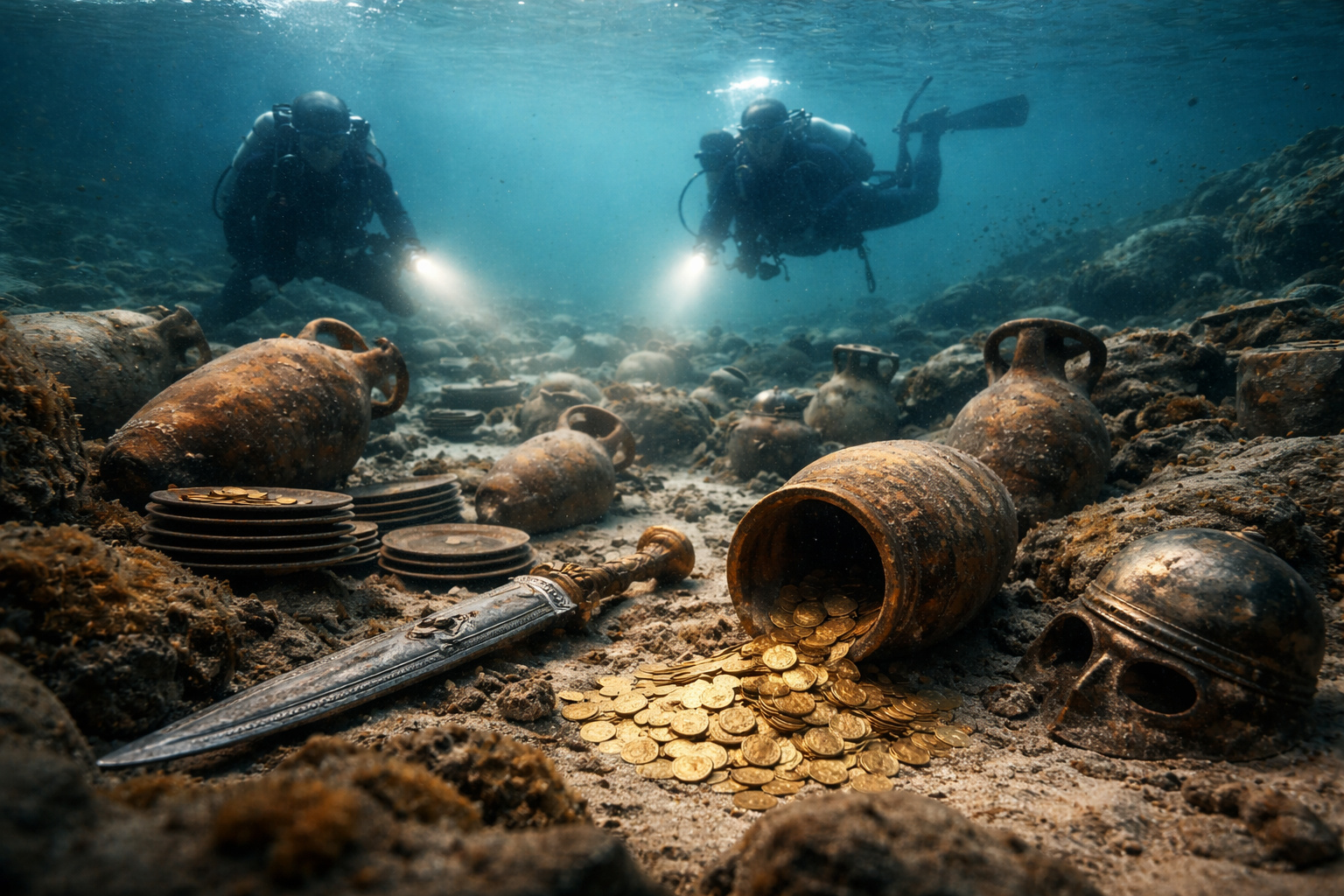
Giant Roman treasure found at the bottom of Lake Neuchâtel in Switzerland reveals an advanced trade system, circulation of goods, and armed escort in the Roman Empire about two thousand years ago.
-
He buried 1,200 old tires in the walls to build his own self-sufficient house in the mountains with glass bottles, rainwater, and an integrated greenhouse.


Anyone appearing in the area is identified in the account as “Zé”, a local resident, reinforcing the idea that it is not a tourist scene set up, but a real way of life, with routine and limitations.
A Sea Of Stones And A Natural “Picture” In The Window
The surroundings are repeatedly described as stones everywhere. There is mention of “gigantic” stones and a visual composition that, depending on the angle and light, “looks like a painting”. This detail is not embellishment; it is how the place is perceived by those who are there.
The shelter faces this scenery, with a completely open “front” to the valley of stones, which enhances the feeling of isolation and expansiveness.
The Difference That Sustains It All: Mineral Water Springing From The Rock
The most repeated part of the account is about the water. The local explanation is straightforward: the water comes from beneath the rock, “born” in a rocky area and is treated as 100% mineral by those who live there.
The described scenario is of a large rock with cracks and points where water flows out. It is not an urban spout; it is water springing from stone, which increases the curiosity and symbolic value of the place.
How The Water Is Captured And Distributed To The Houses
In practice, the capture has been adapted to protect the source. The account mentions a small “box” made on-site, with clear justification: to prevent cattle from stepping and disturbing the spring area.
The water continues to flow to serve other people, and the speaker indicates scale: more than six houses receive this water, in addition to “many people” in the region.
And there is a sensory description: clarity, cold water, and pressure, suggesting a consistent flow at that capture point shown.
“It Has Never Dried”: The Phrase That Explains Why The Place Became A Topic

The strongest point of the account is the assertion that this water has never dried, according to what the residents say they know and what “the people” comment. This transforms the spring into something more than just supply: it becomes security and, for those living at the top, the difference between staying and leaving.
With the shelter at the top and the long path to larger centers, the continuity of water is presented as part of the “privilege” of living there, despite the isolation.
Freezing Nights, Hot Days And The Weight Of The Climate On Routine
The account also talks about extreme weather: strong cold at night, especially in cold weather, with the word “freezing” appearing explicitly. At the same time, there is mention that “this night was really hot”, showing variation and discomfort typical of elevated and exposed areas.
This detail matters because living in a shelter involves constant thermal adaptation, especially when the place is high and open to winds and rapid temperature changes.
The Difficult Side Of Paradise: Isolation And Access To Health
The resident himself acknowledges the cost of isolation: when age comes and health problems arise, “it gets bad”, and the distance is described as “very far away”. Beauty does not erase the logistics.
This is a point that often goes unnoticed when the scene becomes “a beautiful video”: living in a shelter like this means living with less quick access to care, transportation, and support, even with guaranteed water.
Stories And Legends: Jaguar, Spirits And Stones With Shapes
The place also carries local narratives. The account mentions stories of jaguars and “spirits”, in addition to visual curiosities: a stone that would form the image of a duck, and another perception of “turtle” depending on the angle.
This type of detail reinforces why the shelter draws attention not only for the building but for the whole: geography, water, silence, stories, and a landscape that looks like a movie set.
Practical Risks Of The Terrain: Slippery Stone, Cattle And Wasp
The path to the water is described as stone covered with dirt and points where it “slips”. There is also a warning of danger with a “wasp nest” nearby, reinforcing that the environment is beautiful but requires caution.
This is another realistic element of living in a shelter on top: the surroundings are not “gentle”; they are rock, crevice, trail, and raw nature.
Which part of this story impresses you the most: the shelter on top of the mountain or the mineral water that “has never dried” and supplies so many houses?










Estão livres das empresas que não fornecem água.