





 Português
  Inglês
  Espanhol
  3 min de leitura


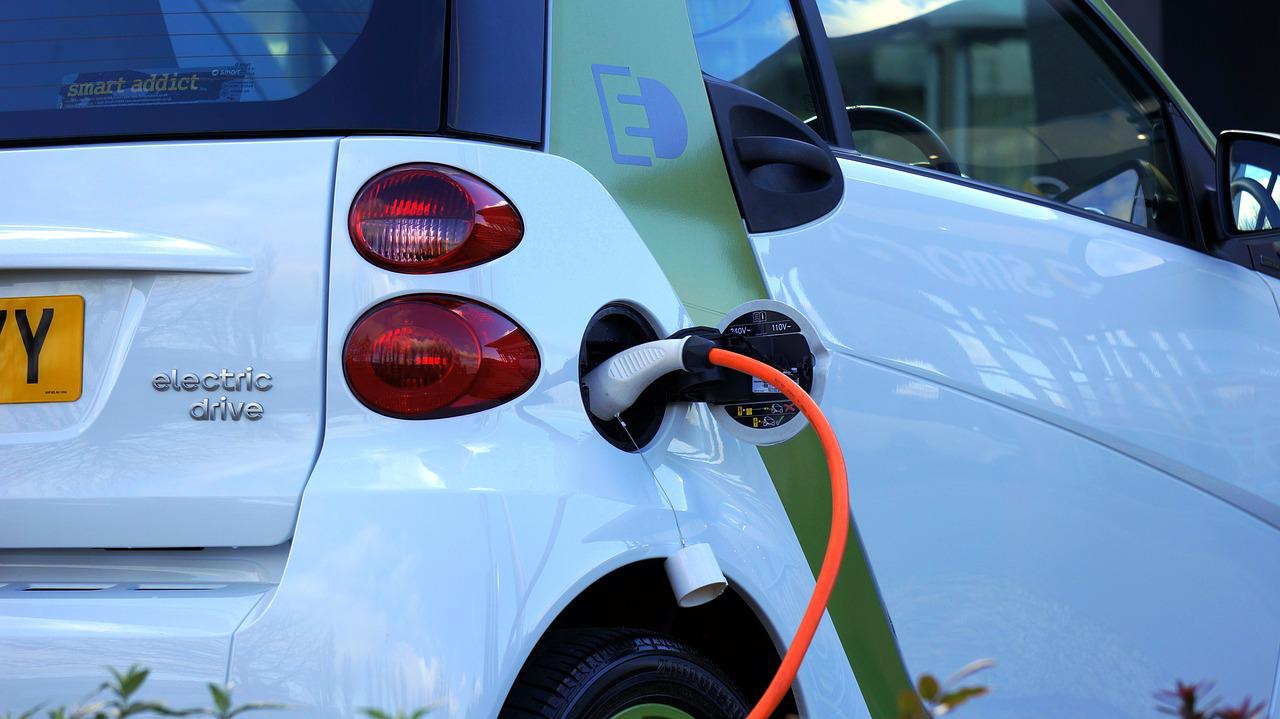
During Carbon Market Congress, Transport Sector Showed Division Regarding the Future of Electric Vehicles in Brazil
A panel that gathered vehicle and engine manufacturers to discuss the green future of mobility, at a congress held in Rio de Janeiro, was marked by division in the transport industry concerning how the energy transition aiming for zero emissions will occur in Brazil.
While executives from Scania and Marcopolo defended the idea that conventional transport systems powered by fossil fuels should coexist with electric vehicles, the president of WEG – Harry Schmelzer – envisioned a faster transformation of mobility in urban centers.
According to Schmelzer, the speed of transition in the transport sector will be stimulated by the rise of socio-environmental criteria (ESG) as attractive factors for investments and consumption, in addition to the trend of decreasing costs of new technologies. According to the CEO, the automotive industry will have a future completely based on electric vehicles.
The executive also stated during the event promoted by Petrobras and Banco do Brasil (BB) that Brazil should bet on all fronts, without leaving electric vehicles behind.
CEOs of Scania and Marcopolo Are More Cautious Regarding the Introduction of Electric Vehicles
The CEO of Scania in Latin America – Christopher Podgorski – argued, in favor of the automaker’s view that electric vehicles should indeed gain space, yet will continue to share the roads with trucks powered by diesel or other cleaner fuels, such as biomethane.
The CEO of Marcopolo, James Bellini, followed the same reasoning as Podgorski, mentioning issues related to cost and delays in the infrastructure required for the introduction of electric vehicles. He pointed out, for example, that there are doubts about what would happen if the entire bus fleet in the city of São Paulo, consisting of about 14,000 vehicles, were to charge overnight, when it stops circulating.
On the same note, Bellini also pointed out that it is not clear to transport operators in Brazil how long it will take for electric technology to pay off through savings on operational costs, especially fuel expenses, given that electric buses are at least three times more expensive than diesel-powered buses.
Finally, the president of the bus body manufacturer also added that we need to think of various paths for the energy transition in the transport sector, since pure electric is not the only available alternative. According to him, this should be done until zero emissions are reached in Brazil in the long term, which cannot be seen, under any circumstances, in the short term.
About the Carbon Market Congress
The Global Carbon Market Congress – Decarbonization & Green Investments, brings together, from May 18 to 20, in the city of Rio de Janeiro, leaders of the carbon credit market in Brazil to present strategies, projects, and cases to strengthen and boost the green economy in the country.
-
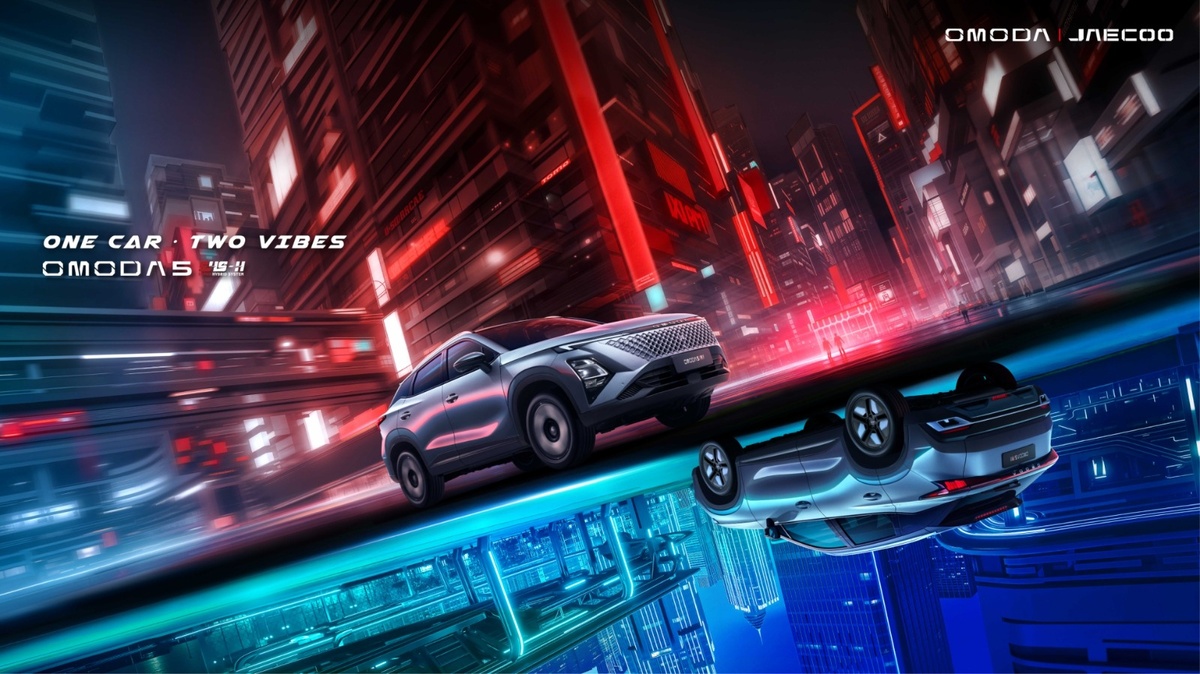
OMODA & JAECOO grows in Europe in 2026 with an integrated strategy of sales, innovation, local production, and technological advancement in the United Kingdom, Italy, and Spain.
-
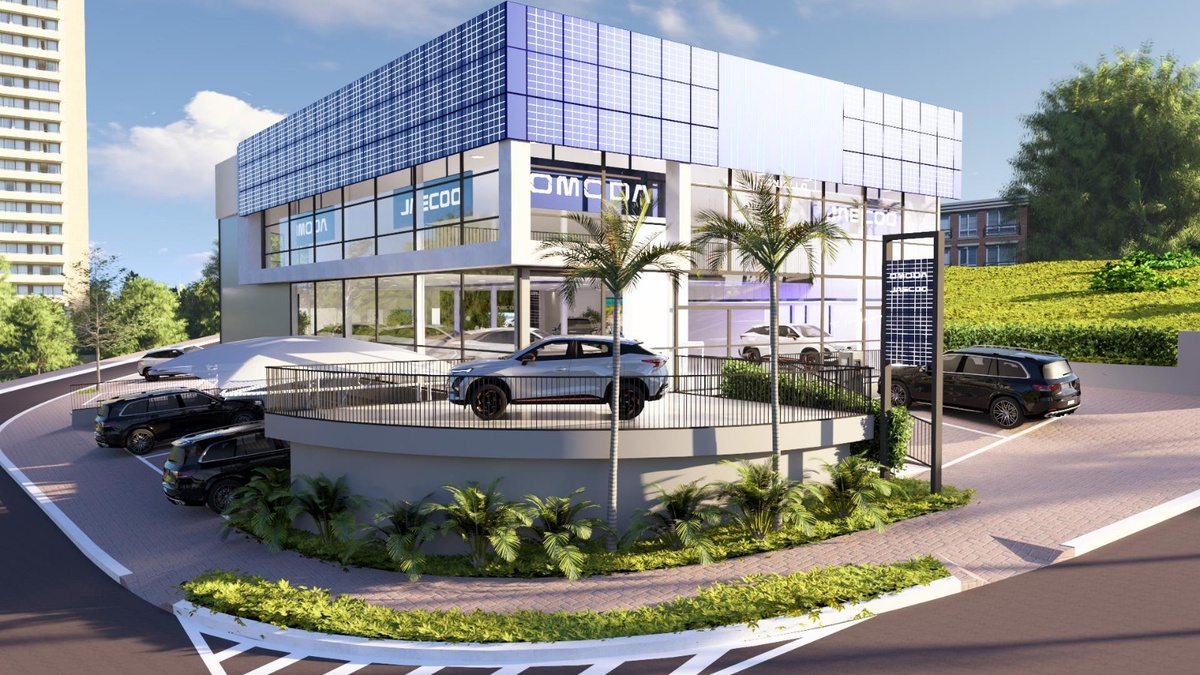
OMODA & JAECOO expands after-sales service in Brazil with competitive maintenance, a 7-year warranty, and high availability of parts for technological SUVs.
-
OMODA & JAECOO appoints Alessandra Souza as executive marketing director in Brazil and accelerates brand expansion with a focus on innovation, networking, and hybrid portfolio.

-
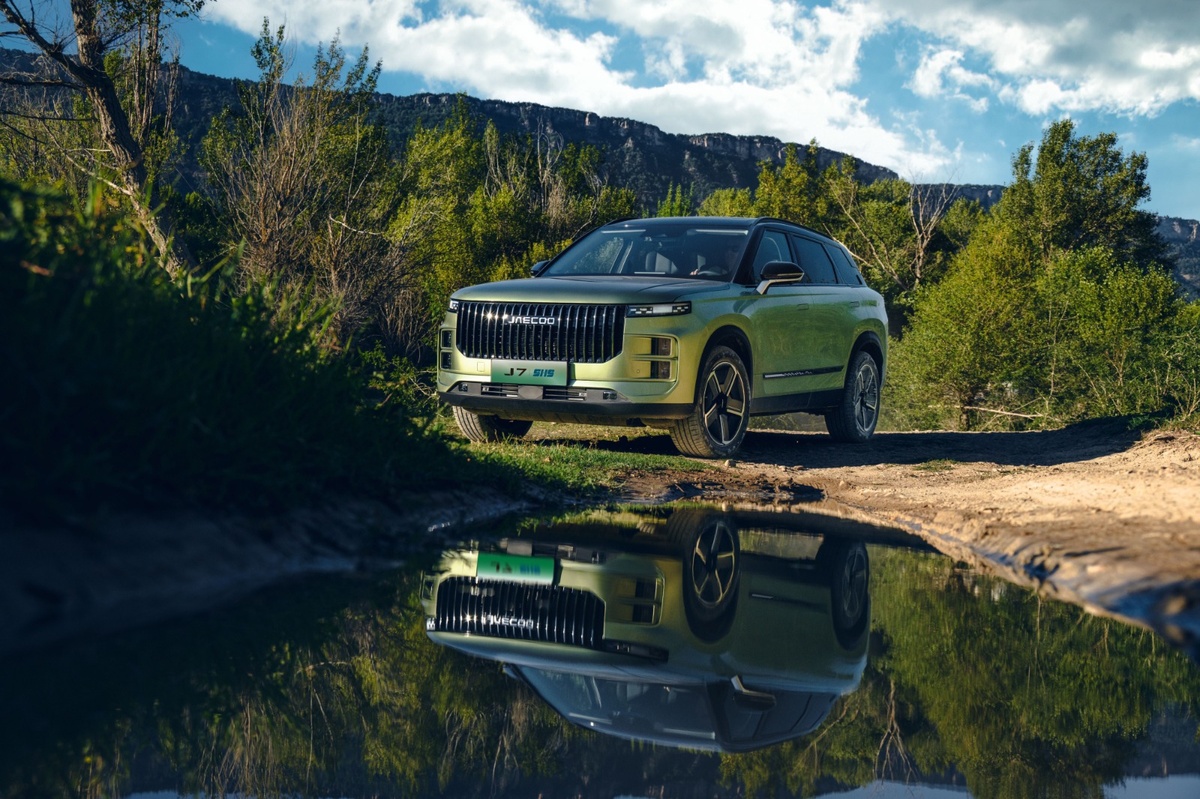
Jaecoo 7 with super hybrid SHS system exceeds 1,200 km of combined range with a 1.5 turbo engine, high-density battery, and intelligent energy management.
The event, promoted by Banco do Brasil and Petrobras, is supported by the Ministry of the Environment and the Central Bank and gathers specialists and over 60 CEOs to discuss important themes regarding various aspects of the carbon market, such as sustainability and the environment, services, financial market, energy, urban mobility, sanitation, insurance, oil & gas, industry, agribusiness, technology, and innovation.








Seja o primeiro a reagir!