Portuguese
  Spanish



Desert Located in California Is Rich in Lithium, An Important Element for Electric Car Battery Composition
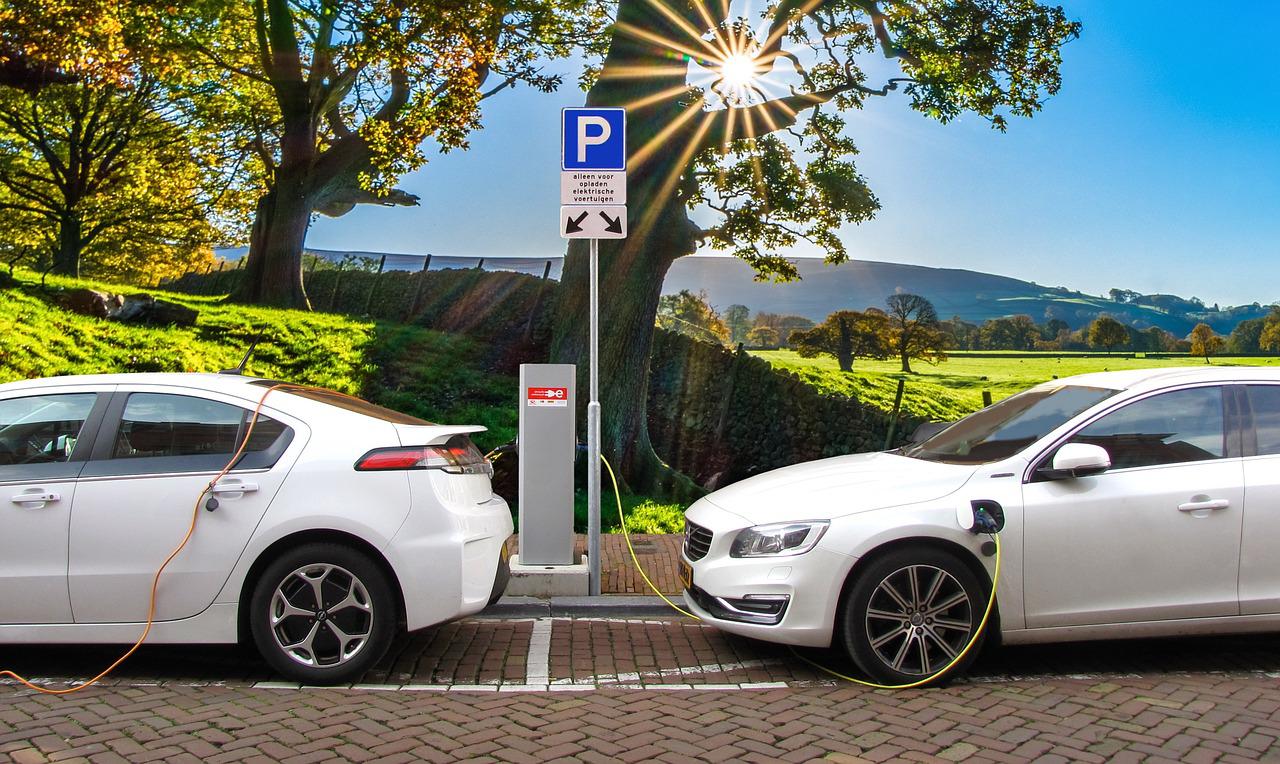
In recent years, the Salton Sea Basin, located in a desert in California, has become a point for lithium extraction, an indispensable component for the construction of batteries for electric cars built by the local automotive industry.
According to CNN, the Salton Sea Basin in the California desert has an almost alien appearance, as it is located near two extensive pieces of the Earth’s crust that are slowly pushing against each other, creating a large depression beneath the ground. The plates are the North American Plate and the Pacific Plate. Additionally, the Salton Sea Basin is situated in a large gray and flat desert surrounded by very high mountains. Also, despite being called a sea, the Salton Sea is not truly a sea; it is actually the largest lake in California, measuring 51 miles in length from north to south and 17 miles in width.
Basin in the California Desert Is Mainly Composed of Lithium
Over the years, as companies began to target the desert where the Salton Sea Basin is located for its large quantity of lithium, the automotive industries of California, as well as from other parts of the world, started to extract lithium from the desert, as it is one of the main components in the construction of the batteries for electric cars.
-
End of an era in Brazil: beloved sedan by Brazilians is discontinued despite having a 2.0 engine with 151 hp, CVT transmission, 466-liter trunk, and up to 650 km of range.

-
New Law Proposal in Brazil Could Heavily Penalize Drivers: Dangerous Overtaking May Become a Serious Offense with Fines Increased Tenfold and a 12-Month License Suspension; Update on 2026 Progress

-
Electric Revolution: Watts W125 Motorcycle Offers 160 km Range, 90 km/h Speed, and Affordable Price Starting at $3,000
-
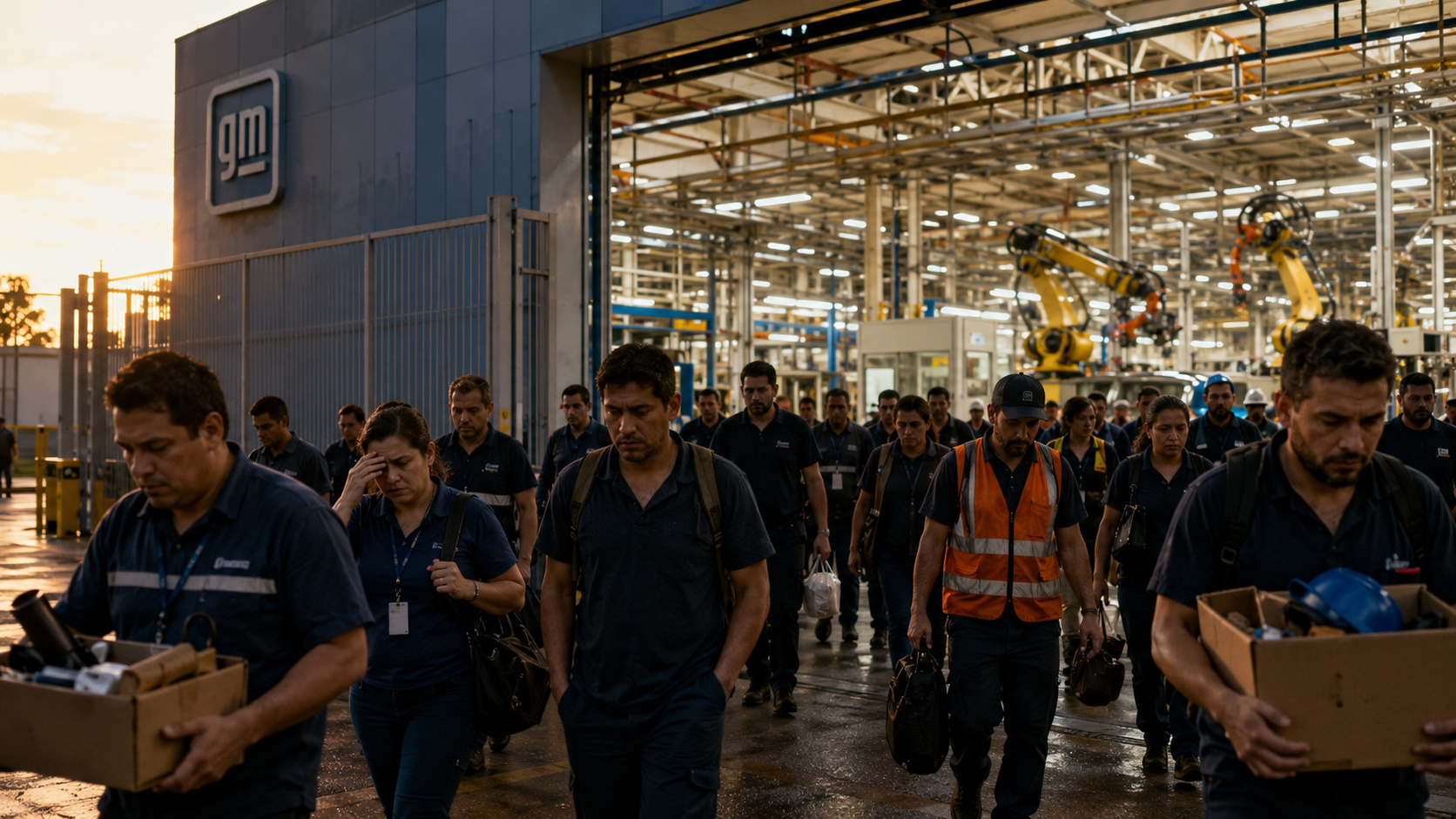
General Motors Replaces Over a Thousand Workers with 50 Cobots at Electric Vehicle Plant, UAW Union Criticizes Move Amid Industry’s Automation Push


The reason lithium is the most sought-after element for building electric car batteries is that it is the lightest metal on Earth, making it very important for the construction of electric car batteries that need to store a lot of electricity in a package that weighs as little as possible.
In addition to these reasons for lithium’s demand, the unique geography of the desert where the Salton Sea Basin is located allows engineers and technicians to obtain lithium with minimal environmental degradation, according to companies operating there. In contrast, in other places, lithium is extracted from the Earth using hard rock mining that leaves large scars on the surface. In the California desert, lithium is extracted naturally, as it exists in the area in liquid form, without the need for mining machinery or blasting. According to Derek Benson, the Chief Operating Officer of EnergySource Minerals, the Salton Sea Basin in the California desert is one of the largest geothermal energy fields in the world.
EnergySource Minerals
The company EnergySource Minerals was spun off in 2018 from EnergySource, a geothermal energy company that has been generating electricity from the hot brine of Salton Sea for a decade. Currently, EnergySource Minerals is working to obtain lithium from the brine it is using for energy.
The amount of lithium present in the desert and how much can be extracted are still questions that a research team from Lawrence Berkeley National Laboratories is working to uncover.
In addition to EnergySource’s plants, a little further along from their facilities, there is also a company called CTR, translated as Controlled Thermal Resources, which has its own small electric vehicle battery plant. The company CTR, which is still in testing phases, has already confirmed a partnership with General Motors, where it will supply lithium produced by CTR for the production of its own electric vehicles.
Recently, the Italian EV battery company Italvolt announced plans to spin off and work with CTR. The systems require Statevolt, as the spin-off is called, to build a battery industry nearby, utilizing both energy generated by CTR’s generators and lithium extracted from the brine.
The industry may one day produce enough batteries for 650,000 electric cars per year, according to Italvolt.
Establishing battery production on-site will eliminate shipping costs and reduce carbon dioxide emissions from all the ships, trains, and trucks used to transport lithium to battery factories mainly located in Asia, according to Rod Colwell, CEO of CTR.