





 Portuguese
  English
  Spanish
  3 min of reading
  0 comments


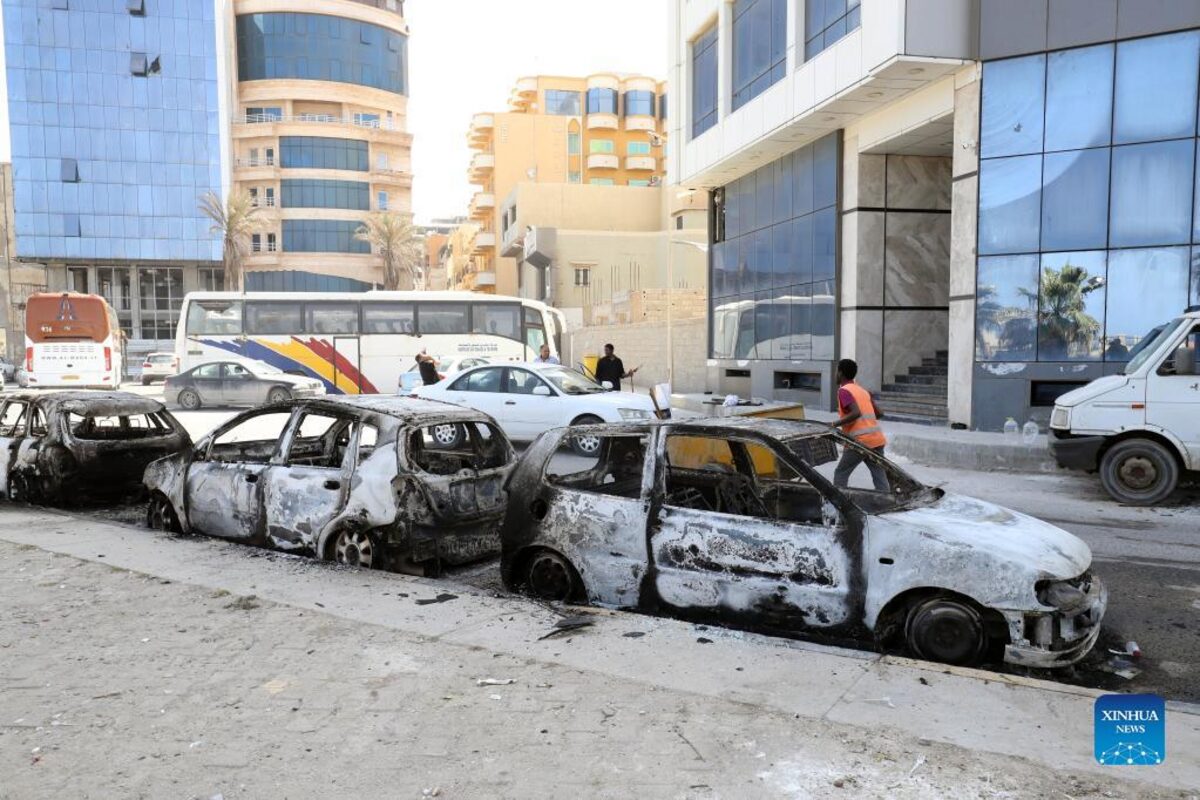
Unstable Since the Fall of Gaddafi, Libya Faces Armed Conflicts, Militias, and Terrorism, But Still Attracts Visitors Fascinated by Its Historical Heritage and Unique Landscapes
Libya is now one of the most dangerous destinations on the planet for tourists. Since the fall of Muammar Gaddafi in 2011, the country has been unable to regain stability. What was supposed to be a democratic transition has plunged the nation into a political and social crisis that continues to this day.
Endless Conflicts
Gaddafi was toppled with the support of the NATO. Since then, rival factions have been vying for power from east to west. The absence of centralized control has given rise to armed militias, extremist groups, and even the advance of ISIS in some regions.
The situation is so critical that several countries classify Libya as an unsafe destination. The U.S. State Department has issued a Level 4 advisory, the highest level, discouraging any type of visit.
-
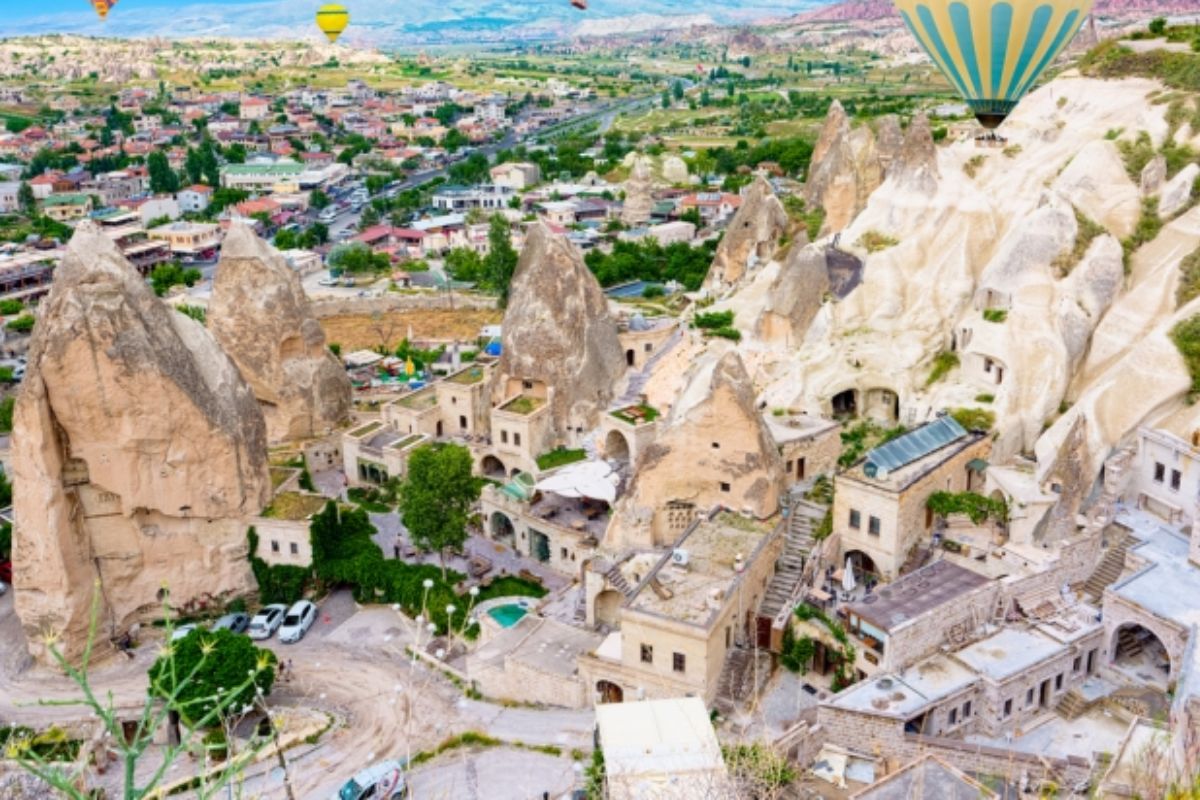
The valley that looks like another planet: fairy chimneys, churches carved into the rock, and underground cities form the labyrinth of Cappadocia in Göreme, where erosion has created a unique landscape since the 4th century AD.
-
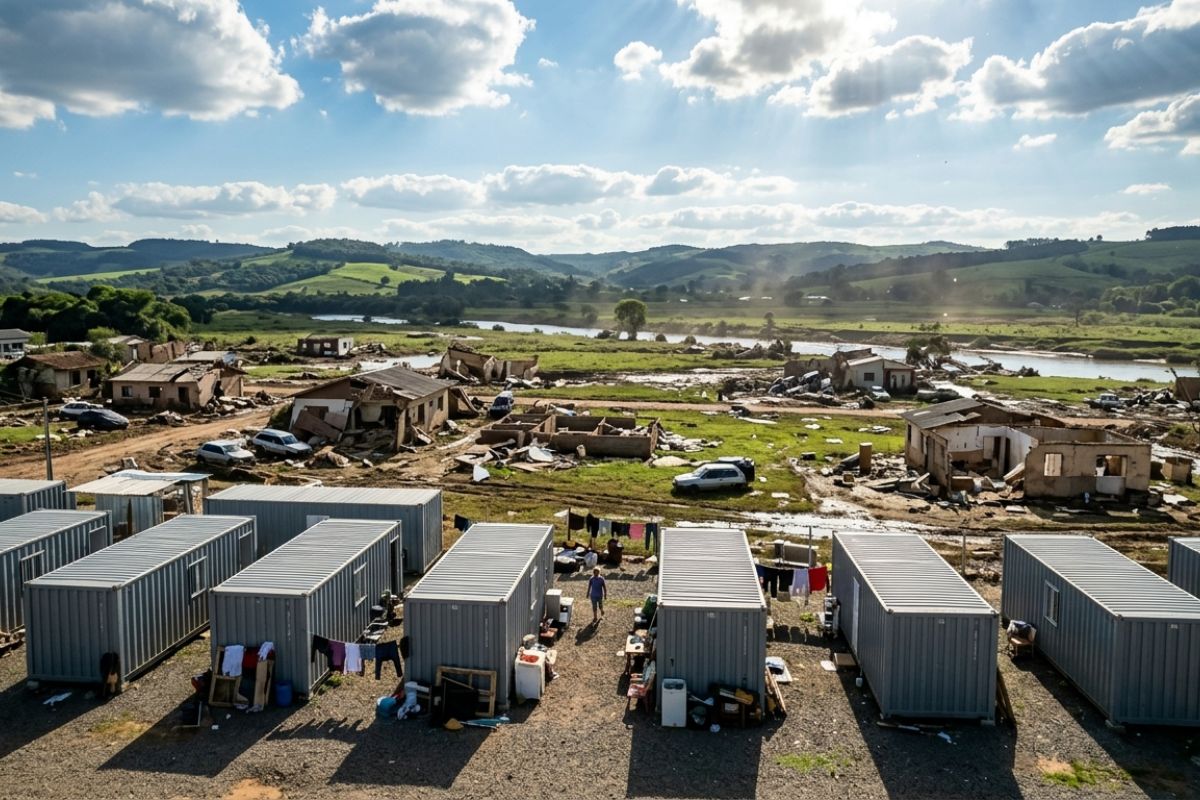
Two years after the floods, Rio Grande do Sul still has ghost villages, uprooted houses, and families in containers with sewage; unfulfilled promises without official response and donations become the last chance to start over.
-
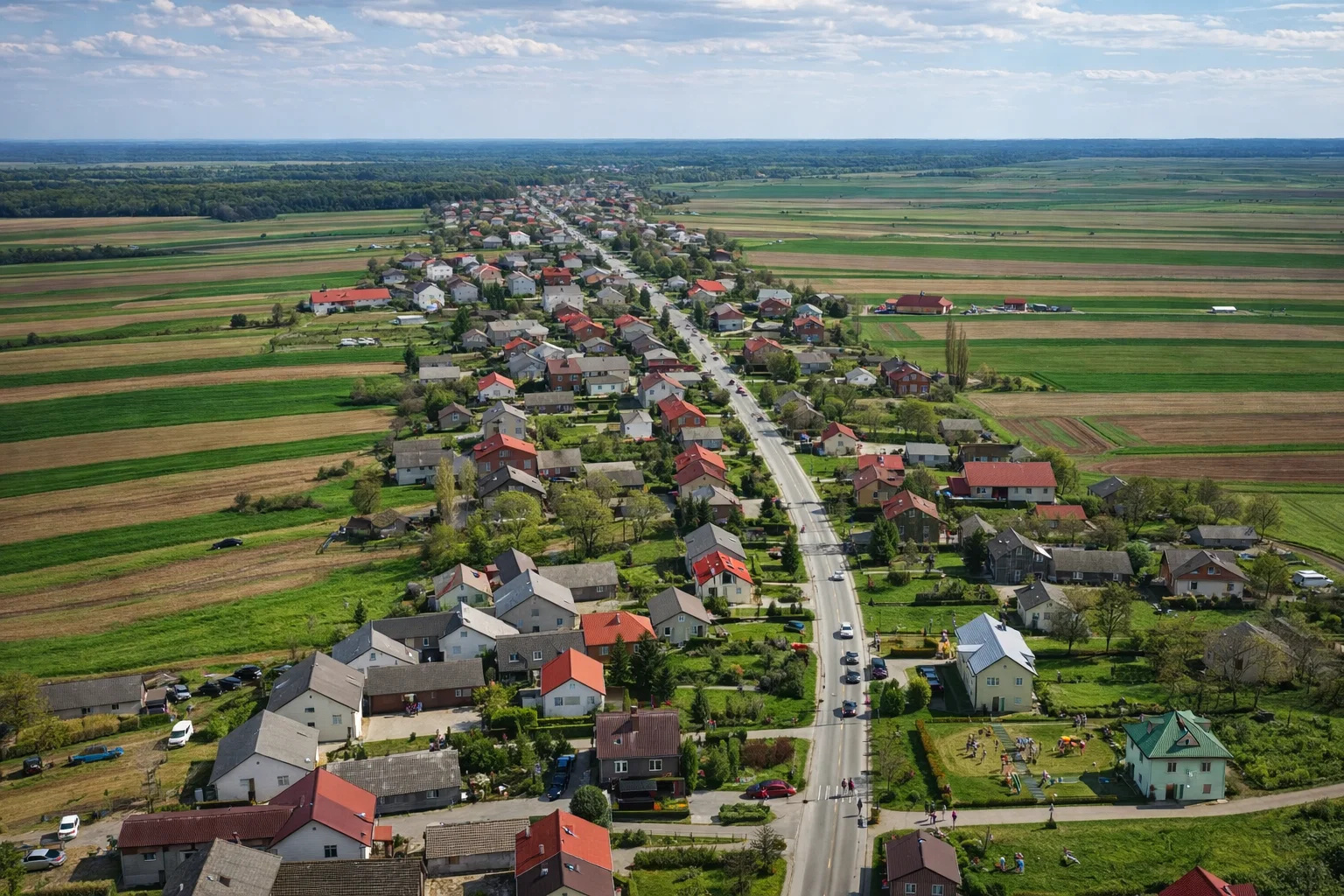
With around 6,000 residents on a single 9 km street, a village in Poland maintains a strong sense of community, cultivates strawberries and potatoes, and becomes the target of a false image created by artificial intelligence.
-
Sleeping at different times each day can be a bomb for your heart and even double your risk of having a heart attack.


The reasons are clear: threats of terrorism, crimes, kidnappings, landmines, and civil unrest. The United Kingdom also warns that security “could worsen without notice.”
The current Prime Minister, Abdul Hamid al-Dabaib, is trying to govern amid the chaos. But instability persists. There is no clear political solution in sight. Violence still dominates various regions. And for those traveling there, the risk of being caught in a confrontation is real.
Tourism in Chaos
Even with all these dangers, about 100,000 tourists visit Libya each year. It is called “danger tourism.” People seeking extreme experiences in places where few dare to tread.
The main motivation: the country’s historical heritage. Libya holds some of the most impressive ruins of the Roman Empire outside Europe.
Ruins That Endure
Leptis Magna is one example. Founded in the 7th century BC, it became one of the wealthiest cities of the Empire, especially under the rule of Emperor Septimius Severus. Today, the ruins include a theatre that can hold over 5,000 people, the Arch of Septimius, and the grand forum.
Sabratha, another gem of the past, sits on the Mediterranean’s edge. Founded by Phoenicians and later dominated by Romans, it was a vital point of African trade. The Theatre of Sabratha and the Temple of Juno Caelestis attract visitors for their beauty and historical significance.
The city also houses mosaics and monuments showcasing the blend of Punic, African, and Roman cultures.
Oases and Desert
Libya also impresses with its natural landscapes. The Sahara Desert occupies a large part of the territory and offers attractions like dunes and oases. In Germa, for example, tourists can see remnants of the ancient Kingdoms of Fezzan that thrived in that arid region.
The oases of Ghadames and Kufra are another highlight. They tell the story of civilizations that inhabited the desert millennia ago and left marks that still captivate those who venture there.
Glorious Past, Uncertain Present
Even amid chaos, Libya holds invaluable archaeological and cultural treasures. The challenge is that these jewels coexist with a dangerous and unstable reality. Tourism survives, but always under the shadow of warnings and extreme risks. History remains alive, but the future stays uncertain.
With information from Aventuras na História.



Seja o primeiro a reagir!