





 Portuguese
  English
  Spanish
 4 min of reading
  0 comments



The impression one gets when looking at the Porsche 911 GT3 Ocelot is that it goes far beyond the automotive universe. At a time when COP30 dominates global discussions and Latin American biodiversity returns to the center of international debate, Porsche presents a car that is not just a supercar — it is a visual manifesto. The Porsche 911 GT3 Ocelot emerges as a powerful reminder that luxury and environmental responsibility can coexist, and that design can also carry urgent messages about the planet. It is not common to see a brand of this stature engaging so directly with environmental themes, but here it happens in a subtle, elegant, and extremely symbolic way.

Porsche 911 GT3 Ocelot: The Power of a Narrative Embedded in Design
The key term Porsche 911 GT3 Ocelot appears at the very essence of this project: a single specimen built within the “Sonderwunsch – Icons of Latin America” personalization program. It was not conceived as a commercial showcase, but rather as an icon piece. Porsche took advantage of the 25th anniversary of Porsche Latin America and the 30th anniversary of the Autoelite importer (Colombia) to develop a vehicle that honors the Amazonian fauna and connects the brand with the conservation discussion — especially relevant in a period marked by COP30.
The exterior color Forest Green Metallic (exclusive code 2B4) is not just any shade of green. It was developed to directly evoke the density of the Amazon rainforest. This detail, in itself, already makes the Porsche 911 GT3 Ocelot one of the most sophisticated projects within Sonderwunsch: it is not just any green, it is not an adaptation, but a color tailored to fit the Amazonian narrative.
-
A French brand placed a car on four huge red balloons to prove that its suspension made the vehicle “float,” and the surreal scene became one of the most iconic and unusual images in automotive history.

-
Jeep Avenger begins production in Brazil, debuting as the brand’s new entry-level SUV and inaugurating an unprecedented phase by becoming the first national Jeep manufactured outside of Goiana, as part of a R$ 3 billion plan.

-
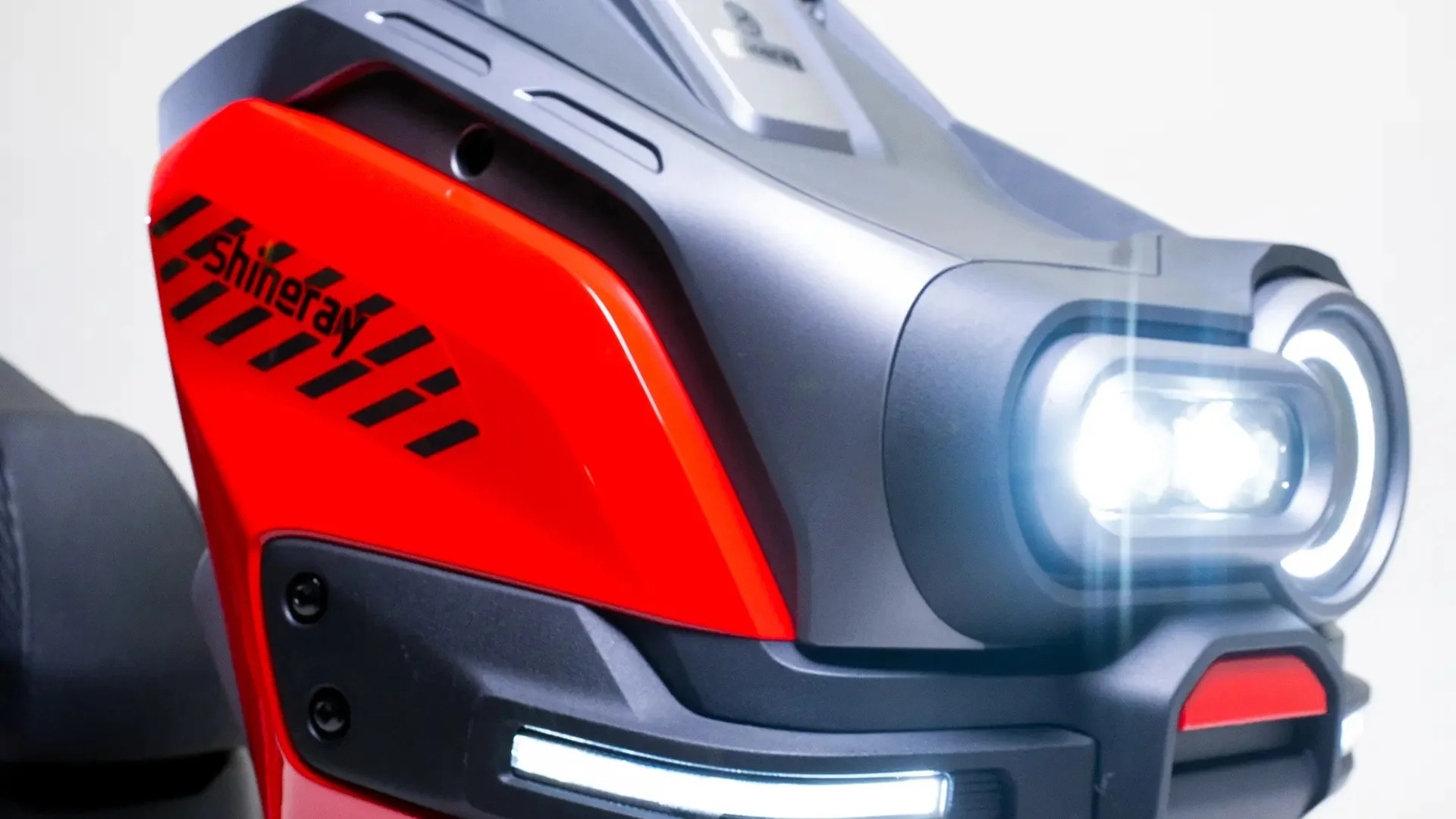
Costing R$ 12,490, the new Shineray Urban Lite 150 “cheap one” arrives in Brazil with a CVT transmission, digital dashboard, and LED lights, making it more affordable than the Biz and targeting those who want to abandon the bus.
-
Ducati brings to Brazil the Superleggera V4 Centenario: 228 hp that become 247 with a track kit, carbon fiber and carbon-ceramic brakes, estimated price between R$ 1.5 and 2 million, deliveries only in 2027.


An Exterior That Translates the Spirit of Preservation
The first visual layer is marked by the contrast between the deep green of the body and the details in Centenaire Silver, a finish inspired by the metallic surfaces of classic 911s — but here reinterpreted with an ecological reading. The silver shine is not the protagonist; it appears as an element of balance, highlighting the wheels, door handles, mirrors, and trims. In practice, it creates the sensation that the car seamlessly mixes the wild and the urban.
The 20″ forged wheels in the front and 21″ in the rear receive the same Forest Green Metallic, reinforcing the thematic visual ensemble. The fine lines in Centenaire Silver on the wheels serve as a handcrafted signature, almost as if they were brush strokes from an artist finalizing a work. All elements were designed to carry the project’s message without exaggeration.


Interior: A Sanctuary of Latin American References
Upon opening the doors of the Porsche 911 GT3 Ocelot, the cabin envelops the occupant with an environment that combines the brand’s tradition with symbolic elements of the regional fauna. The Cohiba Brown leather has a warm and refined temperature, serving as a base that embraces the other materials. The stitches in Truffle Brown deepen this visual harmony with sophistication.
The aesthetic highlight comes in the seats: centers covered in Pepita fabric, a houndstooth pattern reinterpreted in Truffle Brown, Black, and Cream White tones — colors that evoke the coloring of the ocelot’s fur. This choice goes beyond aesthetics: the Pepita fabric is one of the most historic patterns of Porsche, used in vintage 911 models, now remodeled to honor a Latin American symbol. It is tradition and regionalism connected in a gesture of design.
The headrest features the silhouette of the feline, inspired by wildlife crossing signs found in conservation areas in Colombia. It is a small detail, but laden with meaning.

Sonderwunsch: The Porsche That Creates Stories and Not Just Cars
The Porsche 911 GT3 Ocelot reinforces the role of the Sonderwunsch program as a platform for artistic creation. Instead of merely customizing parts, the program allows the brand to develop vehicles that tell stories. The Ocelot inaugurates the Icons of Latin America series, making it explicit that the region has enough aesthetic and cultural relevance to inspire globally-level products.
This approach aligns perfectly with the symbolic environment of COP30, where brands from around the world seek to demonstrate environmental awareness and commitment to sustainable narratives. By creating a unique specimen that pays homage to the Amazon, Porsche positions itself as a company that understands the cultural and ecological strength of Latin America.
Why This Car Matters in Times of COP30
The global debate is not only revolving around climate goals but also around biodiversity preservation, especially in areas like the Amazon, which is responsible for regulating part of the global climate. The launch of the Porsche 911 GT3 Ocelot could have been merely an aesthetic luxury action, but it takes on another dimension when presented precisely at a time when international attention is focused on environmental issues.
The choice of the ocelot, a species threatened in various regions, transforms the car into a silent spokesperson for the message that COP30 tries to reinforce: conserving species and ecosystems is not a detail — it is a planetary urgency.
The Porsche 911 GT3 Ocelot is not a car made for Brazilian streets, nor does it intend to occupy conventional showcases. It is a work of design, an ecological manifesto, and a symbol of the convergence between luxury and responsibility. In times of COP30, its existence serves as a powerful reminder: every brand, every sector, and every form of expression can — and should — participate in the global conversation about the preservation of Latin American biodiversity.










Seja o primeiro a reagir!