





 Portuguese
  English
  Spanish
  3 min of reading
  7 comments


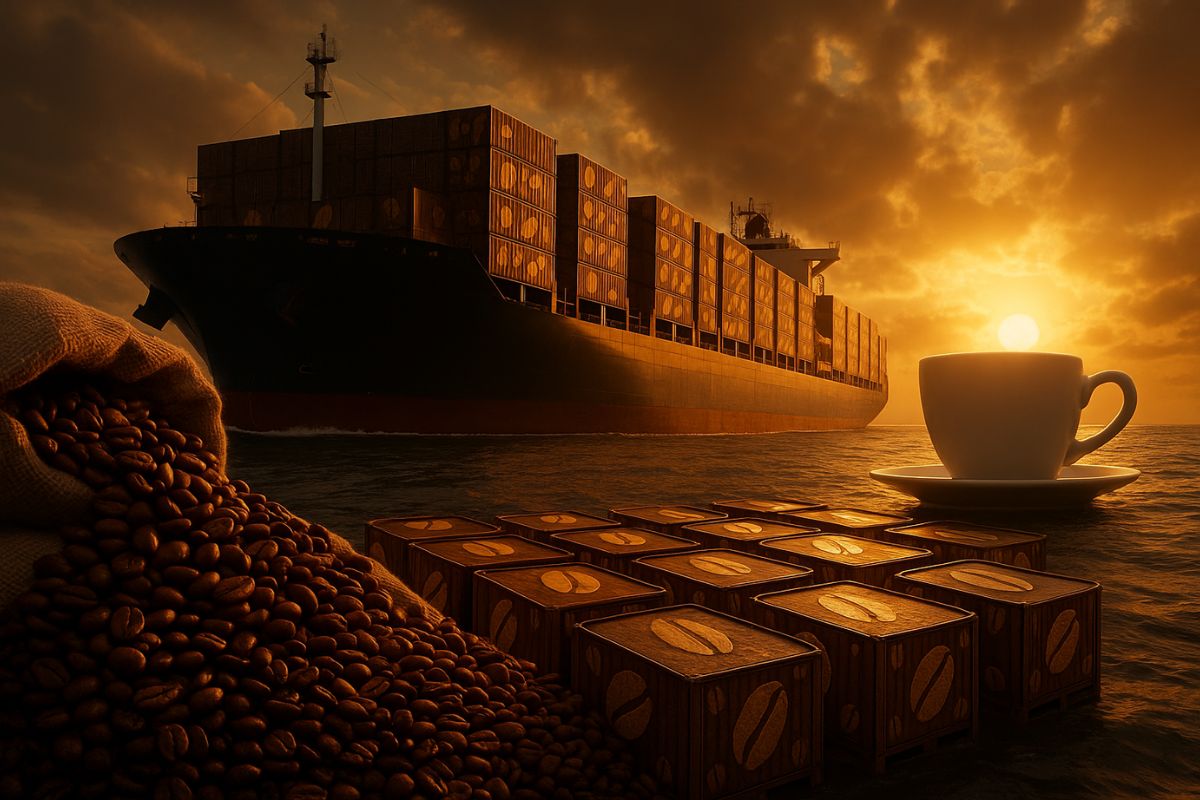


50% Tariff From The USA Raises Coffee By 35%; Brazil Supplied 1/3 Of Americans And Redirects Cargoes, Targeting European Union, Which Already Accounts For 50%.
In early August, Arabica coffee futures surged nearly 35%, the biggest monthly jump since 2014. The reason was straightforward: the imposition of a 50% tariff on coffee imported from Brazil, a measure that disrupted the market and brought uncertainties to the production chain. The Times Brasil highlights that in the short term, the USA’s 50% tariff has raised coffee prices and benefited producer prices; in the medium term, logistics change, but the USA cannot replace Brazil’s requirement for coffee.
According to consultant José Carlos Hausknest from MB Agro, this happens because Brazil accounts for almost one-third of the coffee consumed by Americans, a portion that other suppliers, such as Colombia and Vietnam, cannot fully supply.
The Immediate Impact Of The 50% Tariff
The expectation was that coffee would be included in the list of exceptions, as occurred with orange juice, which would reduce the tariff to 10%. However, negotiations stalled, and so far the product remains fully taxed. The effect was immediate: future prices soared, and American blends, which depend on fixed percentages of Brazilian coffee, were under pressure.
-
Unemployment rises again to 5.8% at the beginning of 2026, raising alarms about the end of temporary positions and its impact on the Brazilian job market.

-
Document organization can cut invisible costs in small businesses, a simple step that prevents waste, rework, and losses in daily operations.

-
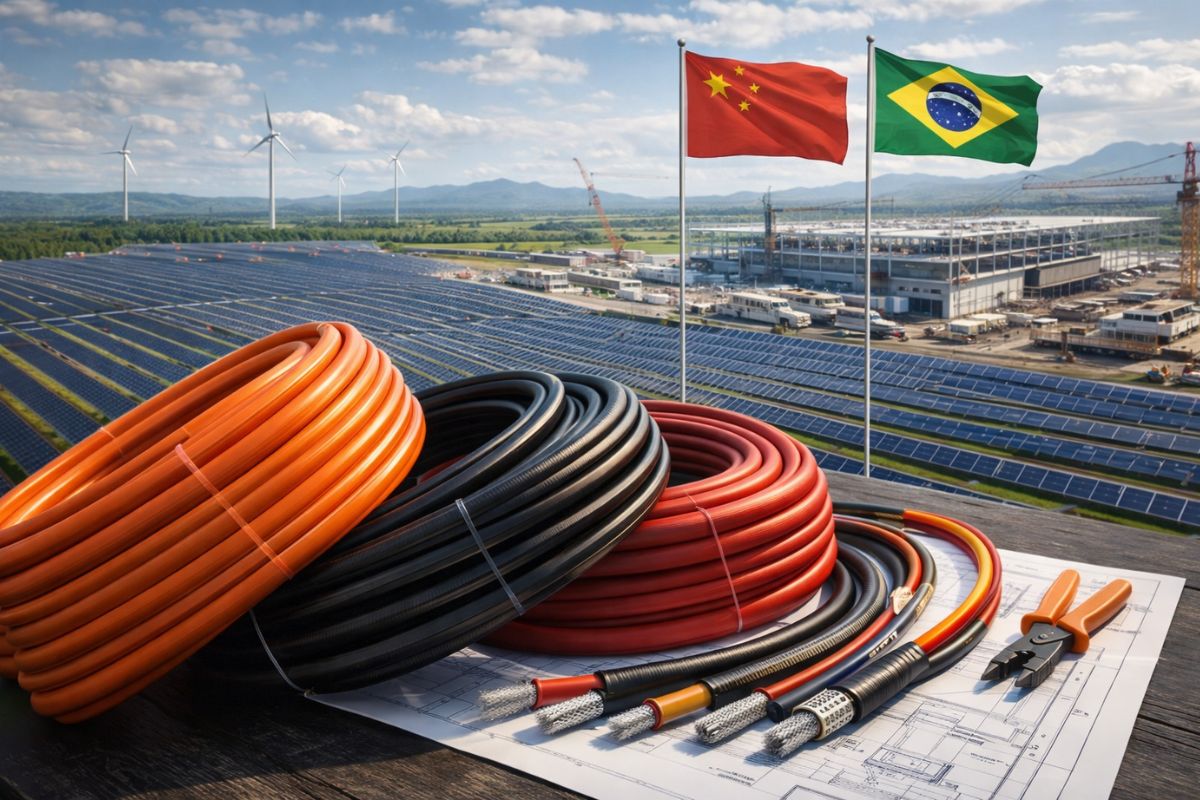
Chinese giant worth nearly R$ 4 billion that manufactures cables for electric cars, solar energy, and robotics wants to open a factory in SC.
-
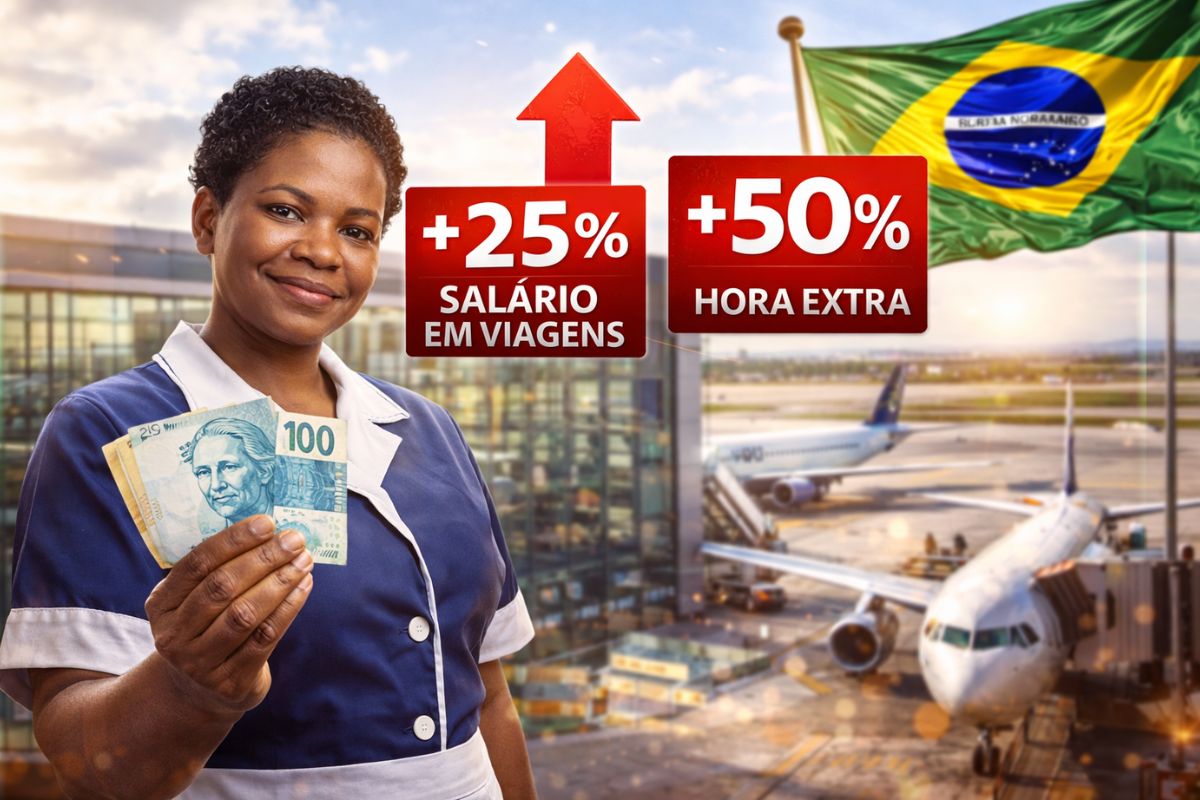
Many employers do not know, but the law guarantees domestic workers a 25% increase in salary during trips, 50% for overtime, 20% for night shifts, and 17 additional benefits that can lead to labor lawsuits if not paid.

Changing recipes and flavor profiles is not simple, as the industry needs to maintain the quality and consistency demanded by consumers. This places pressure not only on US importers but also on coffee shops and major brands operating in the global market.
How Brazil Redirects Its Exports
From the Brazilian side, the reaction was to redirect shipments to other destinations. The USA absorbs about 16% of Brazilian coffee exports, while the European Union already represents almost 50% of the external market. This bloc presents itself as the main space to relocate part of the volume affected by the tariff.
Furthermore, by purchasing more from Colombia and other countries, Americans end up displacing suppliers that traditionally supplied other regions. This movement opens windows for Brazil to increase its presence in secondary markets, even with the tariff pressure.
In The Short And Medium Term
In the short term, higher prices benefit Brazilian producers, who find better margins due to the heated global demand. However, in the medium term, there is commercial risk: losing share with a client as significant as the United States is never good.
On the other hand, experts remind us that the USA cannot replace Brazil in the coffee market. The trend is that, even while paying high tariffs, the country will continue to buy from Brazil, or at some point, coffee will enter a package of exceptions.
The tariff crisis has shown that when it comes to coffee, the USA cannot replace Brazil. The strength of domestic production, both in volume and quality, keeps the country as a central player in the global market.
And you, do you think this 50% tariff could lead the USA to retreat or do you believe that Brazil should bet on market diversification to reduce American dependency? Leave your opinion in the comments; we want to hear from those who live this in practice.









O café no Brasil está caro pra c@c3te.
A pandemia e esses gastos públicos desenfreados contribuíram pra isso.
Média de preço (R$/500g):
2020 R$ 8,39
2021 R$ 11,00
2022 R$ 17,50
2023 R$ 24,00
2024 R$ 28,04
2025 R$ 32,00
*Dados da ABIC.
Eu pensei, “com essas quedas de importação, vão abastecer o mercado interno e os preços vão baixar”…
Nunca estive tão enganado!!!
O presidente está certo ao procurar outros parceiros comerciais
Vendemos pea outro e boa.