





 Portuguese
  English
  Spanish
 3 min of reading


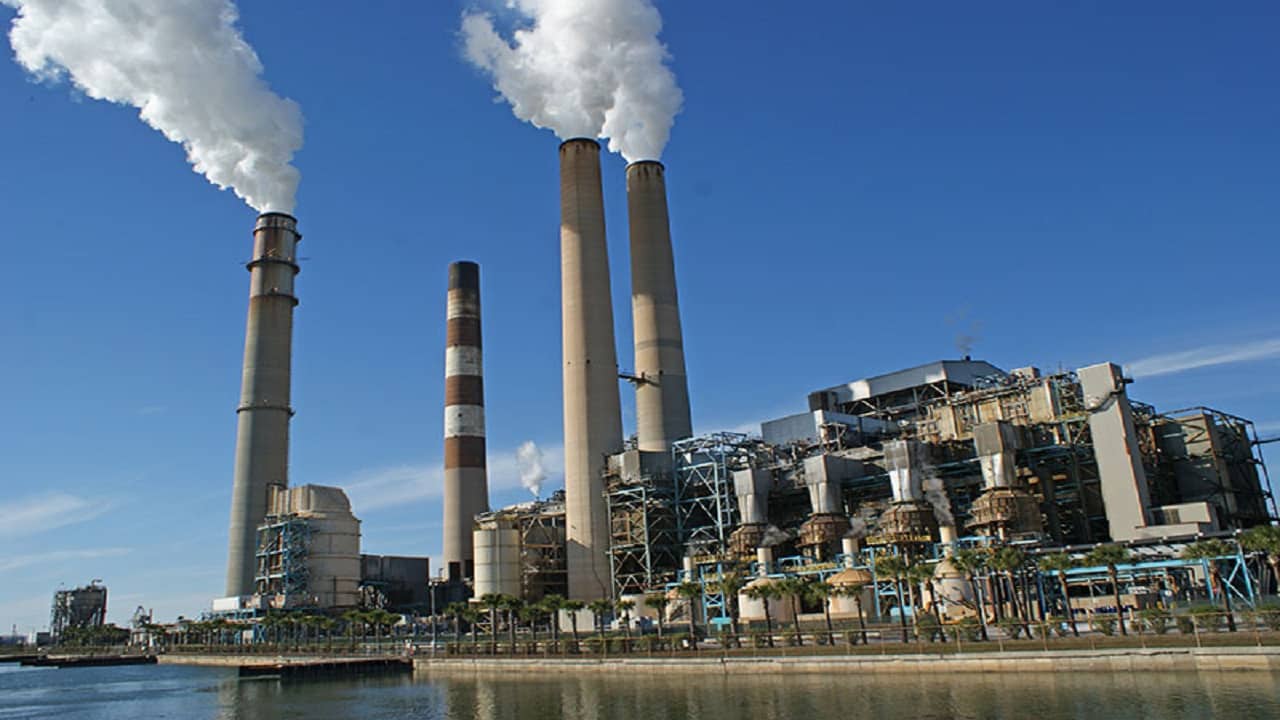
The Documentation That Is Missing For The Start Of The Works Of The Thermoelectric Plant Was Provided, After The Cobra Group Brazil Assumed The Enterprise
After more than a decade shelved due to difficulties in obtaining environmental licenses for the regasification terminal, the natural gas thermoelectric plant Rio Grande, located in the state of Rio Grande do Sul, is expected to break ground this year. The documentation that is missing for the start of the works has been provided after the Cobra Group Brazil assumed the enterprise and presented changes to the original project. Also Read This News: Located At The Port Of Açu, Works On The GNA II Thermoelectric Plant Will Start In October
- Moura Group Develops System Capable Of Using Solar Energy At Night
- Pre-Salt Hits Record Oil And Gas Production, Surpassing Total Accumulated Production In Onshore Fields Since 1941
- Radix Wins Contracts From Eneva To Develop The Gavião Belo Natural Gas Production Station Project; Field Has The Potential To Be The Second Largest In The Parnaíba Basin
- Neoenergia And PicPay Form Partnership And Offer Up To 40% Cashback On Energy Bills
- Startup Develops Renewable Fuel From Wood Shells That Could Revolutionize The Naval Industry
Feasibility Of An Old Project That Was Highly Coveted In Rio Grande Do Sul
Eduardo Leite said, “It’s an old project that started being discussed in 2009. We are working to make it feasible. It’s a transformative project for the entire state of Rio Grande do Sul, especially the southern region, because the thermoelectric plant, besides its direct positive impact, generates all the positive externalities of what it will enable in terms of gas pipelines and opportunities in the industry.”
Upon completion of the analysis of the latest documents submitted by the Cobra Group, the state government will call for a public hearing for the construction of the plant, with 45 days’ notice. “There is an intense dialogue being conducted by the government via Fepam (State Foundation for Environmental Protection) in this regard, respecting all procedures with the necessary agility,” he explained.
-
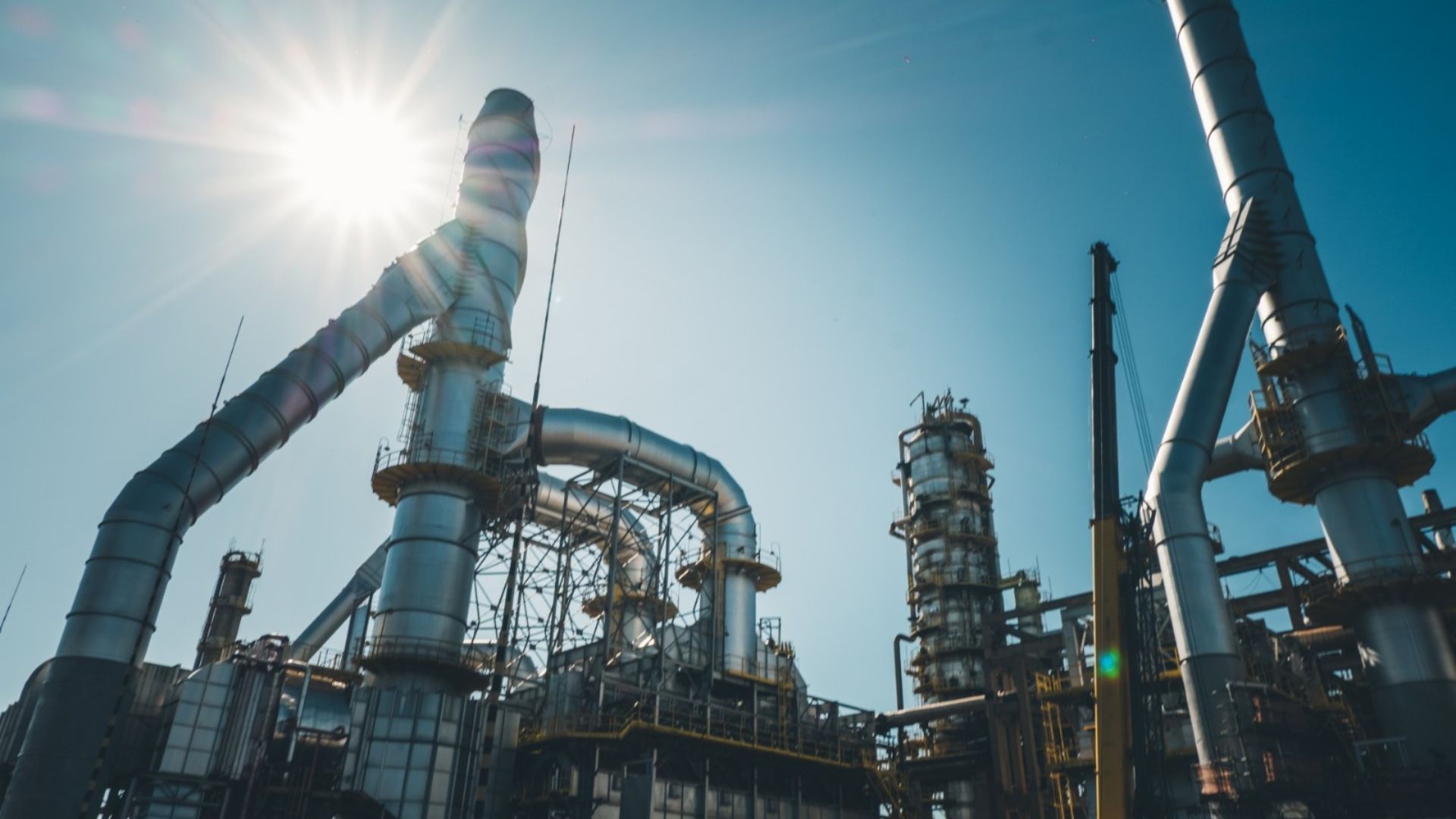
Petrobras Expands Refining in Brazil, Increases Production of Diesel S-10 and Gasoline, Enhances Operational Efficiency, and Reduces Import Dependence Between 2023 and 2025
-
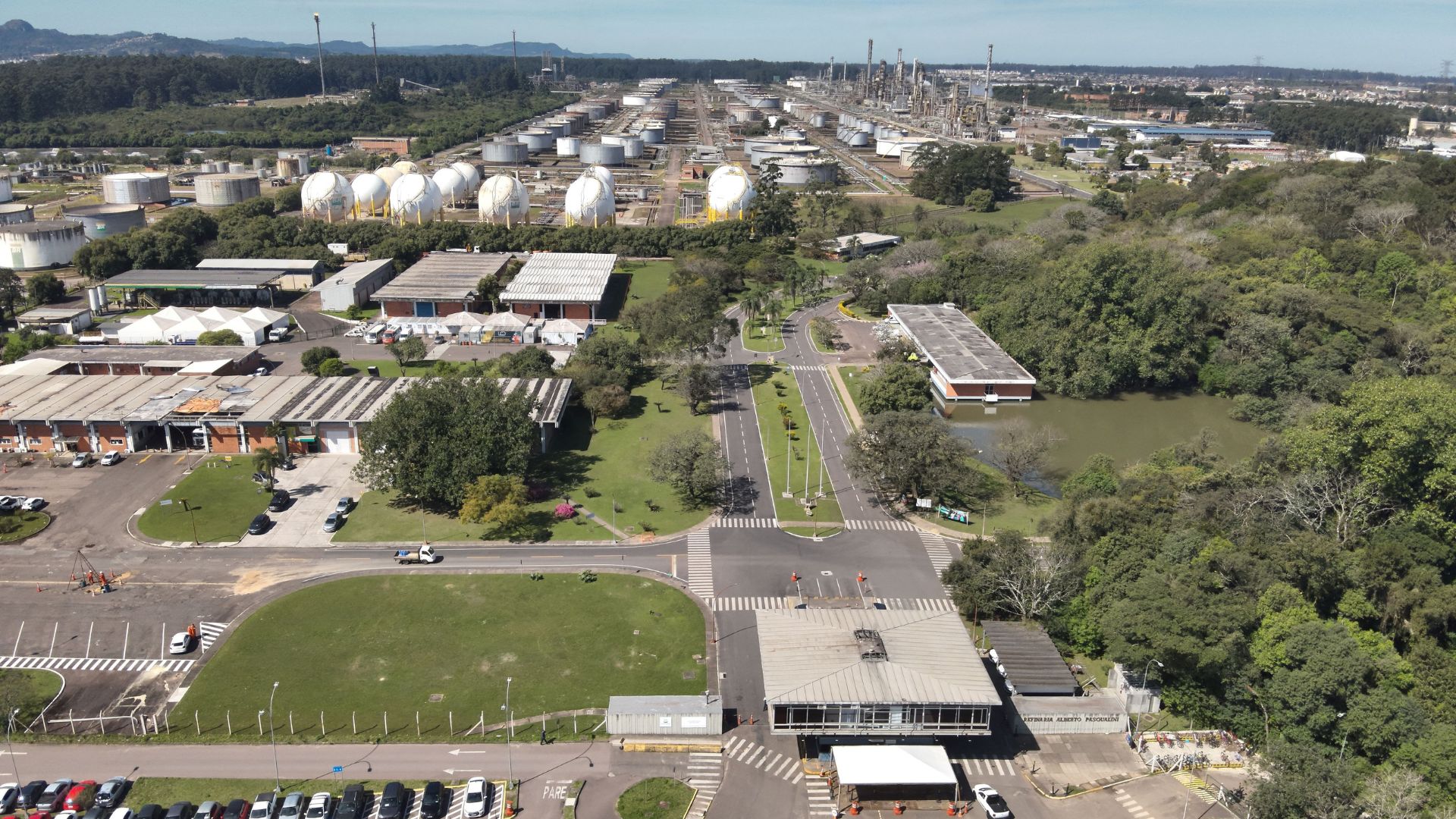
Petrobras’ Refap Sets Historic Records for Gasoline and S-10 Diesel Production in Canoas in Q4 2025, Surpassing Previous Figures
-
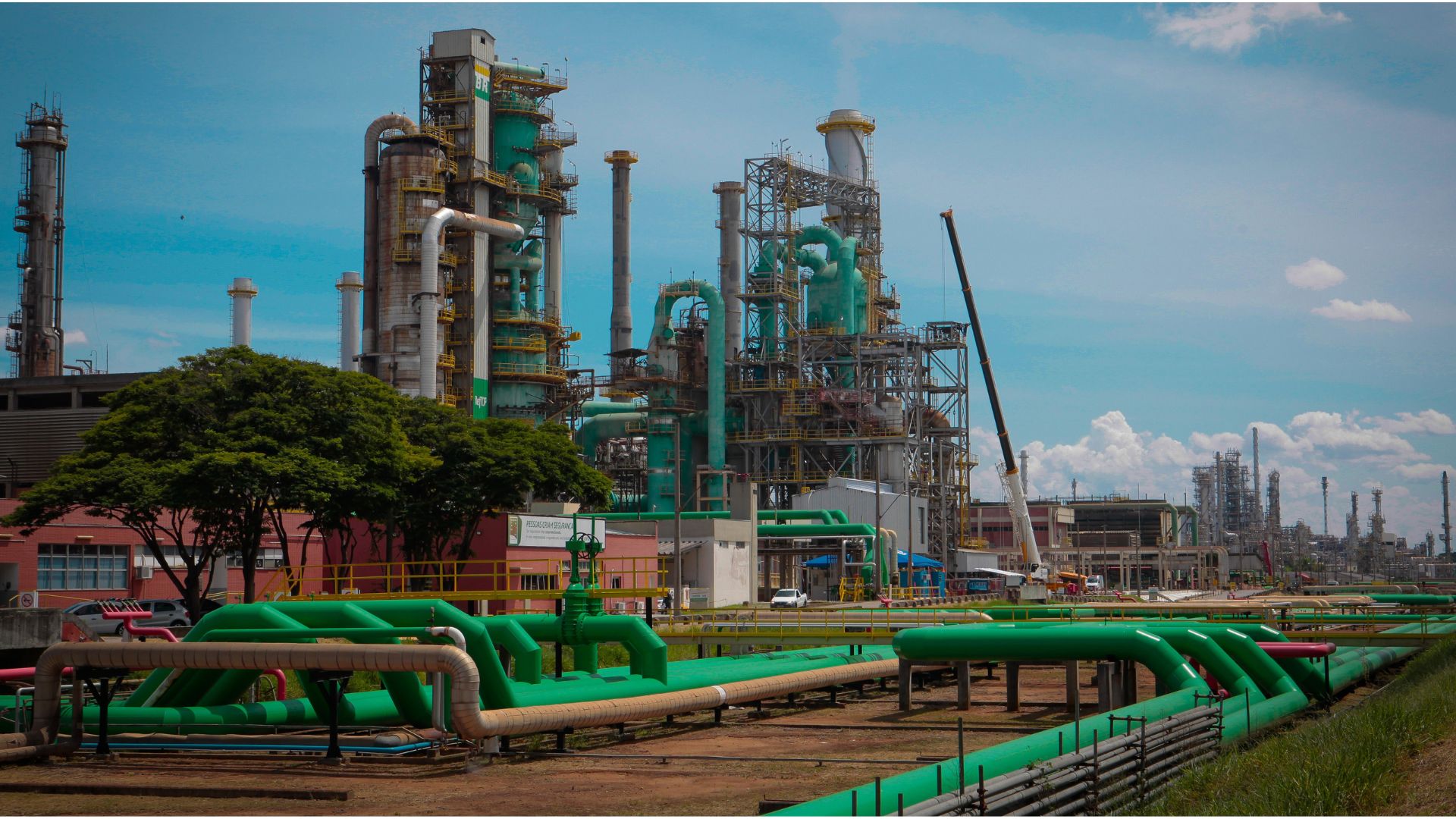
Revap Starts Operation of Modernized HDT and Petrobras Expands S-10 Diesel Production by 80% at the Refinery, Boosting Supply of Less Polluting Fuel in Brazil
-
Thermal Power Plant in Rio Grande do Sul Is Key to Attracting GWM
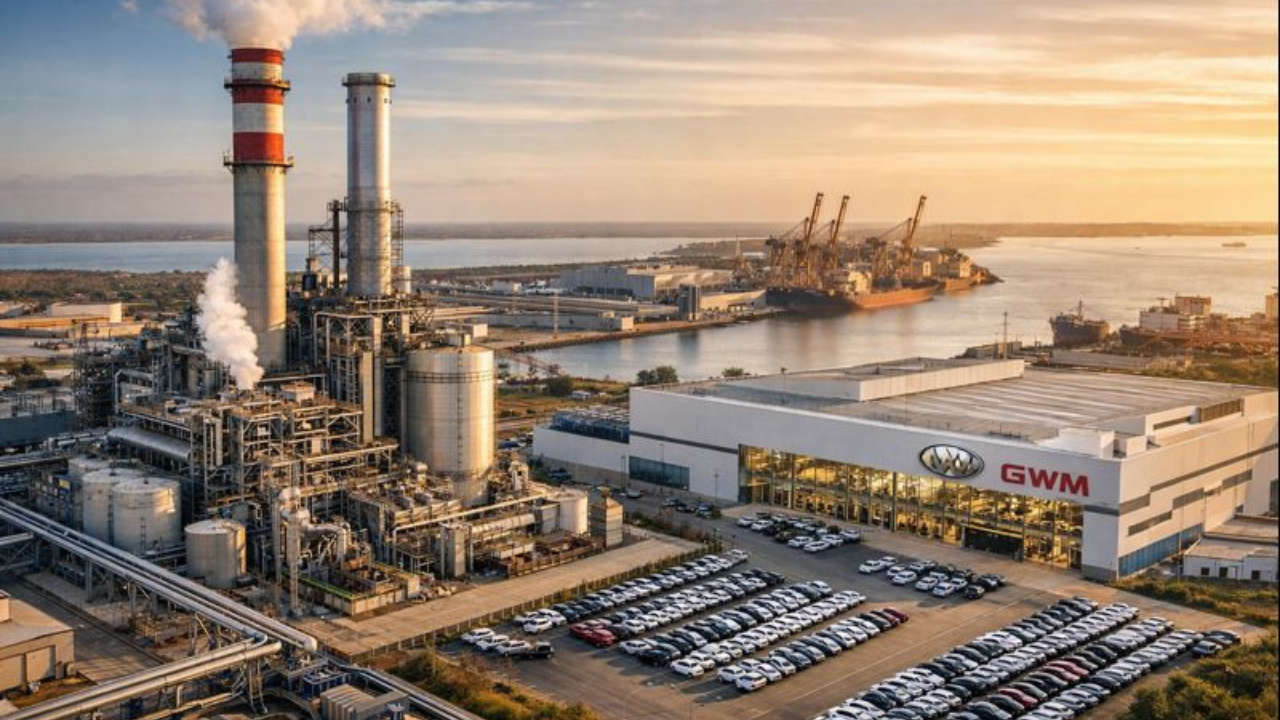

Job Creation With The Construction Of The New Thermoelectric Plant
According to the Cobra Group, with the permits issued, the construction process for the thermoelectric plant is expected to begin in December of this year. The investment of R$ 6 billion encompasses the project which includes, in addition to the thermoelectric plant, the construction of a receiving, storage, and regasification station for liquefied natural gas (LNG). The project will enable the supply of LNG in the state, with the main consumer being the Rio Grande thermoelectric plant, but also attracting investments from new industries to RS.
The construction project for the thermoelectric plant will create approximately 2,100 jobs and is expected to operate with up to 14 million cubic meters per day, which would meet RS’s demand until 2030. The group is already active in Rio Grande do Sul, with transmission lines managed by the Chimarrão and Pampa consortium that are nearing completion. These investments total R$ 3 billion, generating 4,000 jobs.
Also Check This News: BBF And Nova Engevix Form Partnership For The Construction Of A New Thermoelectric Plant That Will Use Palm Oil
Brasil BioFuels (BBF) and Nova Engevix formed a partnership to complete the construction of a 17.6 megawatt thermoelectric plant to generate energy from renewable sources in Roraima, the only state still isolated from Brazil’s interconnected system, according to a statement published by the companies on the last day 01.
The new thermoelectric plant will be built in the municipality of São João da Baliza, using raw materials available in the region, such as palm, in two different processes: with vegetable oil and biomass, the company explained, noting that the asset will be important in helping to reduce emissions in a state that heavily relies on diesel thermoelectric plants.








Seja o primeiro a reagir!