





 English
  Francês
  Alemão
  Italiano
  Japonês
  Norueguês
  Portuguese
  Spanish
  5 min of reading
  0 comments


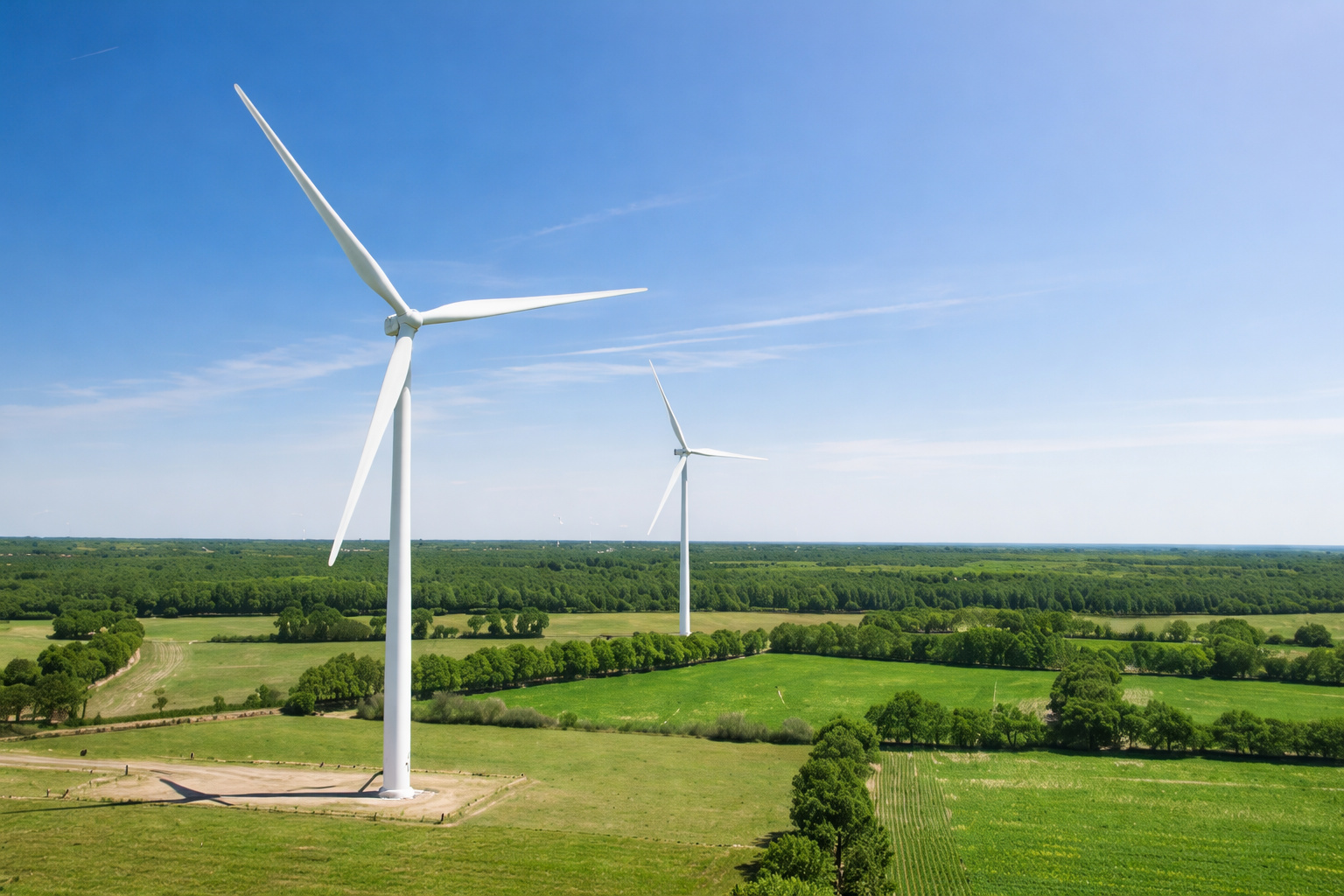
Northeast Consolidates Leadership in Wind Power Production and Expands Records in Clean Energy Generation
The northeast consolidates leadership in wind power production by registering new records in clean energy generation in Brazil. The states in the region have increased their participation in the national electric grid and reinforced their prominence in the renewable sources sector, especially in wind energy.
The historic mark confirms the strength of the region’s natural potential and highlights states like Rio Grande do Norte, Bahia, Ceará, and Piauí as key players in the expansion of sustainable generation. Furthermore, the numbers emphasize the strategic importance of the Northeast for the country’s energy security.
In this context, the growth of wind energy directly impacts the regional economy, generates jobs, and strengthens Brazil’s energy transition.
-
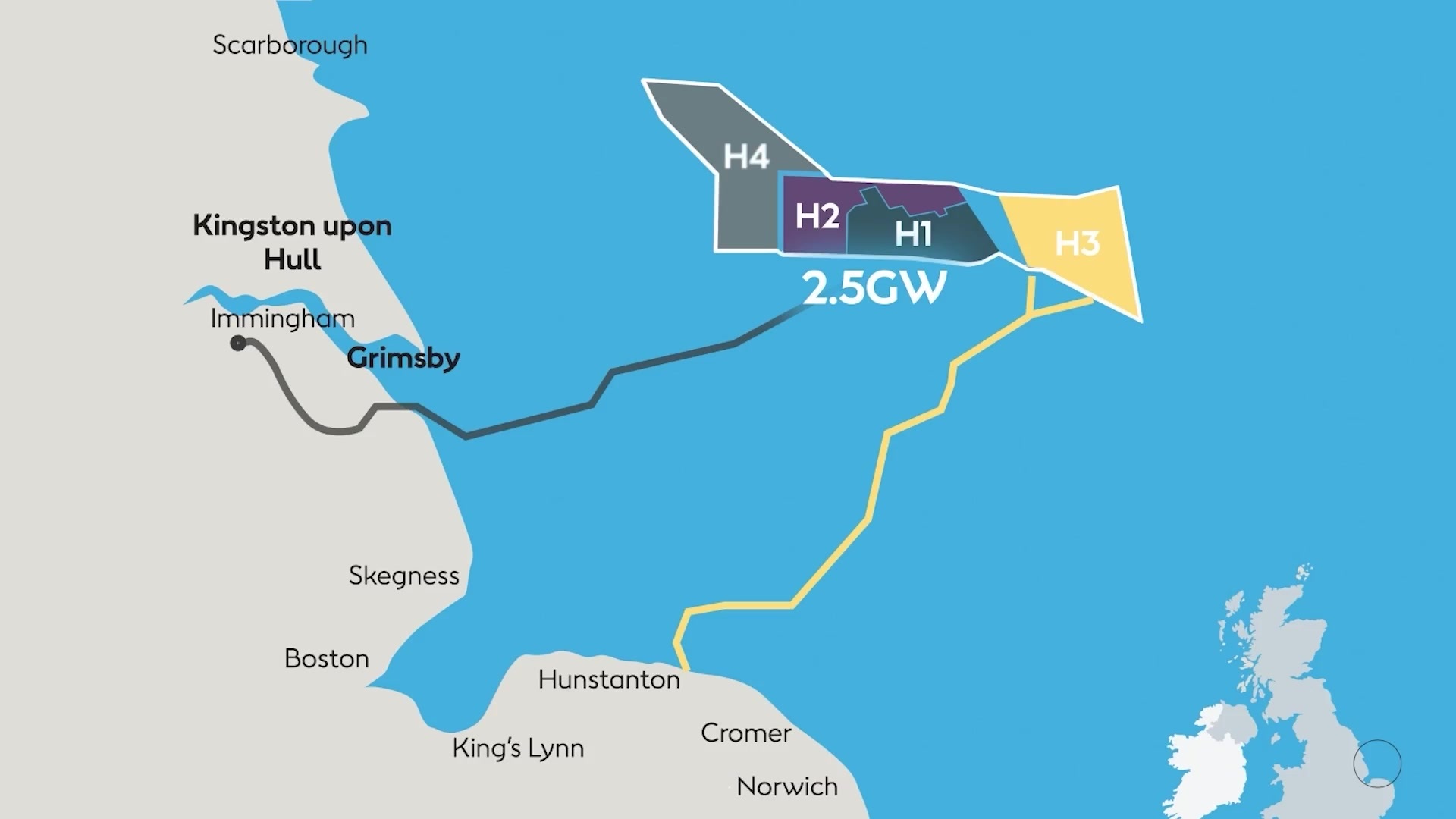
231 turbines of 260 meters at 160 km from the coast, monopiles weighing as much as nine blue whales embedded in the North Sea, and a crane ship taller than the Eiffel Tower: Hornsea 3 will be the largest offshore wind farm on the planet by 2027, and its first components have already arrived in England.
-
International Certification Puts Senai Norte on the Renewable Energy Map and Expands Access to Essential Training for Qualified Wind Power Professionals

-
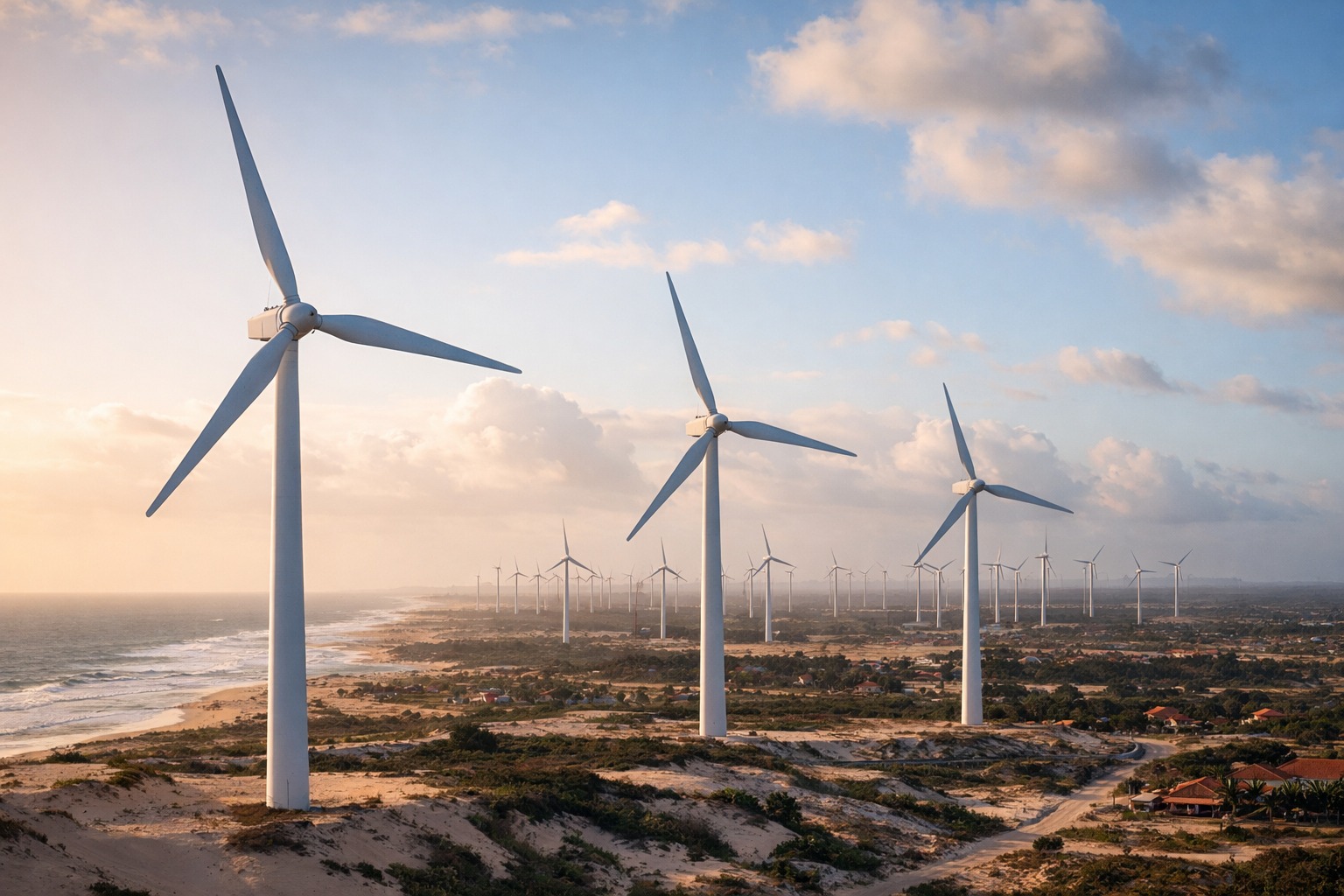
The Winds of the Northeast Are in Foreign Hands: Nearly 70% of the Region’s Wind Farms Are Owned by International Companies, with France, China, and Italy Leading Investments in Wind Energy in Brazil
-
Echoenergia’s Wind Farms Receive Diamond and Platinum Seals and Boost Carbon Credits with Projects that Prevent Large Volumes of Annual Emissions
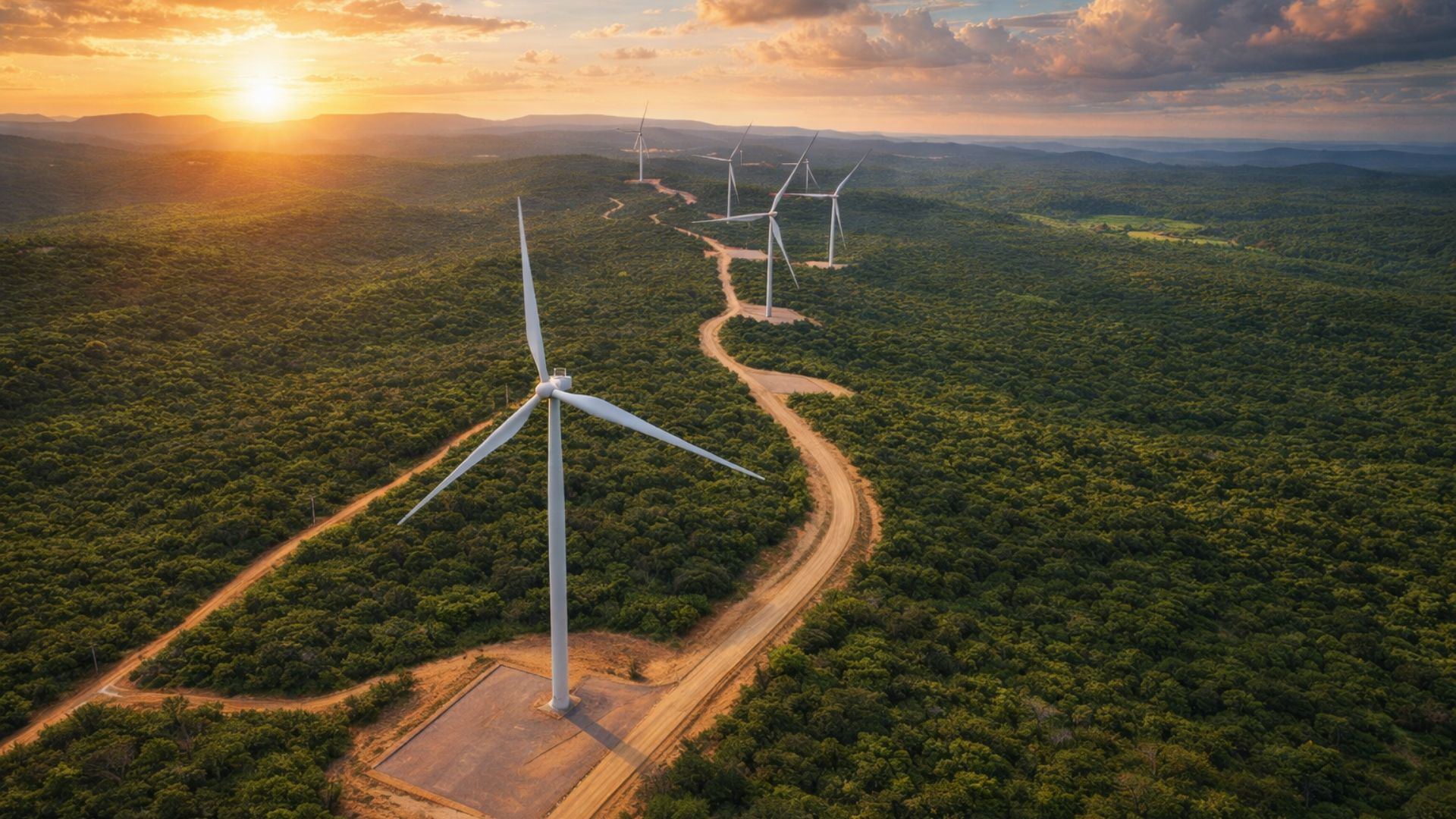
Historic Record Boosts Brazilian Energy Matrix
The wind farms installed in the Northeast operate with a high capacity factor, a result of the constancy and intensity of the winds in the region. Therefore, production surpasses national averages and significantly contributes to the National Interconnected System.
The northeast consolidates leadership in wind power production by accounting for a large portion of this source’s generation in the country. Additionally, during certain times of the year, the region can produce enough energy to meet all local demand and still export excess to other regions.
Meanwhile, technological advancements in turbines enhance the efficiency of wind generators. More modern equipment captures winds at different altitudes and increases the productivity of the wind farms.
Northeast Consolidates Leadership in Wind Power Production: Wind Energy Generation
Rio Grande do Norte maintains a prominent position as the largest producer of wind energy in Brazil. The state has dozens of operational parks and continues to attract new investments.
Additionally, Bahia occupies a strategic position by combining large-scale wind and solar generation. The territory of Bahia attracts investors due to its territorial extension and natural potential.
Ceará also has a strong tradition in the sector. The state develops productive chains related to the wind equipment industry.
Meanwhile, Piauí is rapidly increasing its participation with new projects under implementation.
Thus, the northeast consolidates leadership in wind power production with a combination of natural and strategic factors.
Growth of Clean Energy Drives Regional Economy
The expansion of wind energy generates direct economic impacts. Companies install parks, hire labor, and stimulate the supply chain.
Moreover, municipalities receive additional revenue through taxes and land leases. Landowners sign contracts for the installation of wind generators, which guarantees extra income.
In this context, the wind sector strengthens local economies and encourages professional qualification.
At the same time, universities and technical centers expand courses focused on electrical engineering, renewable energies, and industrial maintenance.
Northeast Becomes a Reference in Energy Transition
The northeast consolidates leadership in wind power production and assumes a central role in Brazil’s energy transition. The region demonstrates that renewable sources can sustain economic growth with less environmental impact.
Additionally, the combination of wind and solar energy creates a diversified and resilient matrix.
Meanwhile, international investors are increasingly monitoring the regional performance. The potential for expansion is still significant, especially in areas with low population density.
For this reason, the region positions itself as a strategic hub for new clean energy projects.
Wind Energy Reduces Emissions and Strengthens Environmental Goals
Wind generation does not emit pollutants during operation. Thus, the increase in the participation of this source contributes to the reduction of carbon emissions in the electricity sector.
In this scenario, the northeast consolidates leadership in wind power production while supporting environmental commitments made by Brazil in international agreements.
Furthermore, companies utilizing renewable energy strengthen their ESG commitments and enhance competitiveness in the global market.
Thus, the expansion of wind energy connects directly to climate goals and international market demands.
Infrastructure and Integration into the National System and How the Northeast Consolidates Leadership in Wind Power Production
The expansion of wind energy requires investments in transmission lines. The Northeast has expanded its infrastructure to carry production to major consumption centers.
Moreover, integration into the National Interconnected System allows for compensation of variations in generation. When winds decrease in one area, other regions can complement the supply.
Meanwhile, operators monitor system stability to ensure energy security.
In this context, the northeast consolidates leadership in wind power production without compromising supply reliability.
Technological Advances Boost Productivity
Modern wind turbines reach heights of over 100 meters and capture more consistent winds. Furthermore, larger blades increase the capture area.
This technological evolution increases the capacity factor of the parks installed in the Northeast.
At the same time, companies utilize digital systems to monitor performance in real time. Sensors analyze wind speed, vibration, and operational efficiency.
Thus, operators maintain high productivity and reduce maintenance costs.
Clean Energy Attracts New Investments
The northeast consolidates leadership in wind power production and attracts both national and foreign investors.
Additionally, the predictability of wind patterns ensures generation stability throughout the year. This factor reduces risks and enhances security for financing.
Meanwhile, banks and financial institutions direct resources to sustainable projects.
Thus, the region consolidates a favorable environment for the continuous expansion of the sector.
Social Impacts and Job Creation
The construction of wind farms generates thousands of temporary and permanent jobs. Technicians, engineers, and construction professionals participate in the implementation stages.
Moreover, operation and maintenance create long-term opportunities.
In this context, the sector contributes to reducing regional inequalities and increasing income in rural areas.
At the same time, professional qualification boosts human development.
The Northeast also leads in the growth of solar energy. The combination of sun and wind enhances the stability of renewable generation.
During the day, solar energy reaches peak production. At night, wind energy maintains the supply.
Thus, the system gains balance and reduces dependence on thermal sources.
The northeast consolidates leadership in wind power production while simultaneously increasing the share of photovoltaic generation.
Perspectives for the Coming Years
Experts project the continuation of wind growth in the region. New energy auctions and private investments are expected to expand installed capacity.
Additionally, green hydrogen projects are emerging as a new frontier. Wind energy can supply industrial plants dedicated to producing this clean fuel.
Meanwhile, state governments develop policies to attract industries linked to the renewable sector.
In this scenario, the northeast consolidates leadership in wind power production with prospects for sustainable expansion.
Northeast Consolidates Leadership in Wind Power Production and Assumes National Energy Protagonism
The recent record confirms that the region has become a key player in the country’s electrical supply.
Furthermore, leadership in wind energy strengthens the Northeast’s image as a hub of energy innovation.
Therefore, the advancement of clean generation represents not just a statistical milestone. It symbolizes a structural transformation in Brazil’s electric matrix.
In this context, the northeast consolidates leadership in wind power production and expands its strategic importance for the sustainable development of Brazil.









-

-

2 pessoas reagiram a isso.