





 Portuguese
  English
  Spanish
  4 min of reading
  2 comments


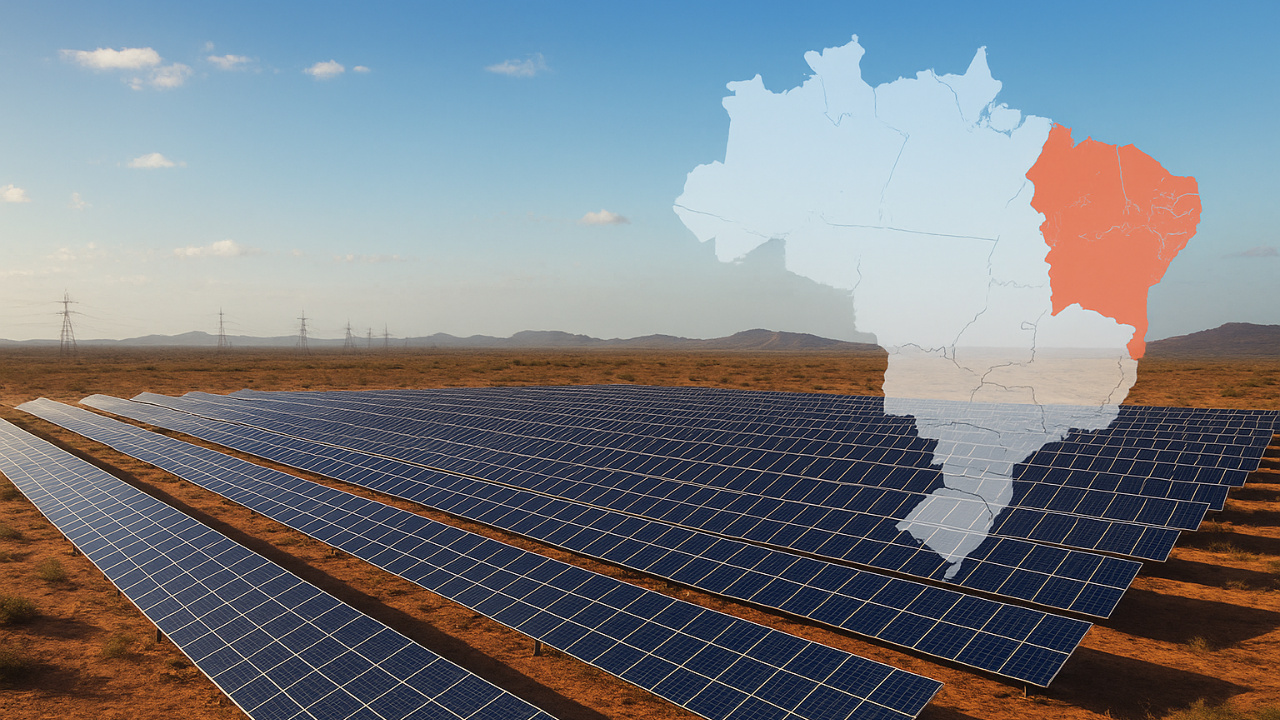

The Generation Cuts at Solar Plants in the Northeast Have Intensified and Already Compromise the Revenue of Producers. With Impacts Over 90% in the Region, Experts Warn of Risks to the Production Chain and Advocate Emergency Measures.
Solar plants continue to expand their presence in Brazil, especially in the Northeast, where the irradiation potential has attracted investments for more than a decade. However, despite this progress, the sector faces an increasingly concerning problem: the generation cuts imposed by the National System Operator (ONS).
These cuts reduce contracted production and, consequently, the revenue of renewable energy companies, creating a domino effect that affects the entire chain associated with solar and wind plants.
Northeast Concentrates Nearly All the Generation Cuts, Despite the Strength of Solar Plants
In October, the cuts reached record levels. Of the 15 most affected centralized solar plants, 14 were in the Northeast, and only one was located in Northern Minas Gerais. According to Donato Filho, general director of Volts Robotics, the impact is devastating for the region. He states:
“The big loser from the generation cut is the Northeast.”
-
Europe records strong euro economy with solar energy in March and sparks curiosity about which country leads growth that redefines the energy market and reduces costs.

-
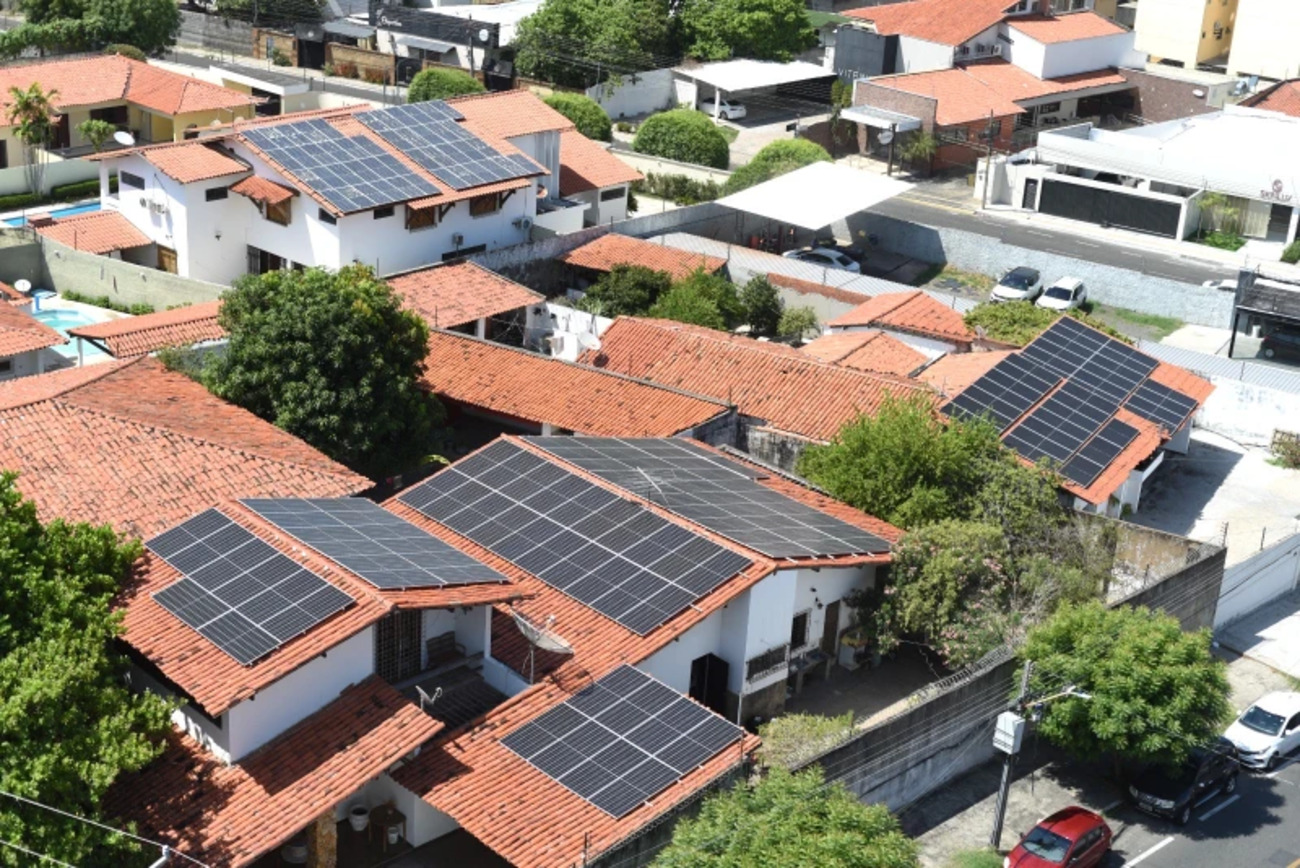
Piauí reaches a historic milestone in energy transition: State records nearly 160,000 households powered by solar energy and leads growth in the Northeast.
-
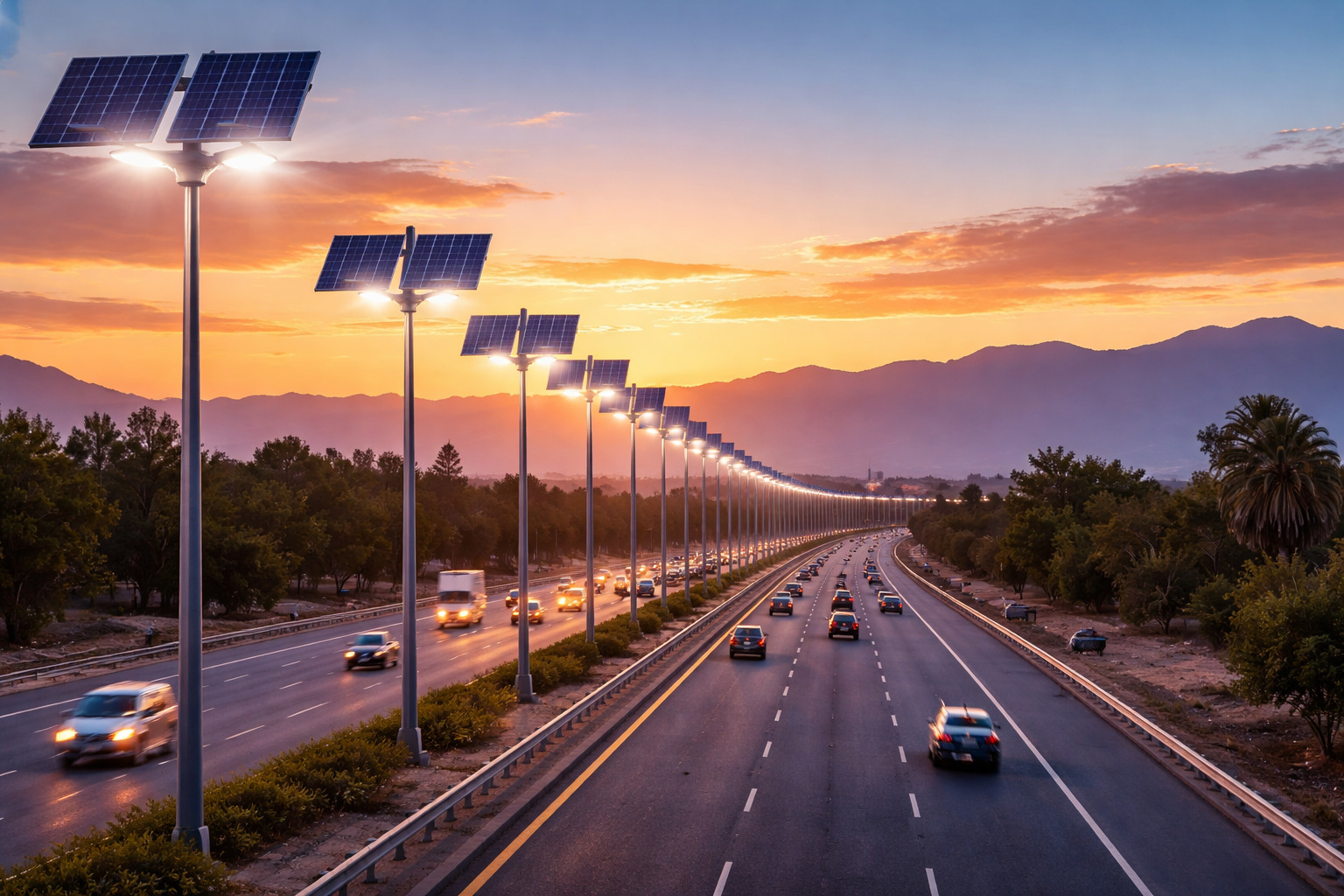
Argentina debuts its first 100% solar-powered highway and transforms an entire road into a showcase of clean energy.
-
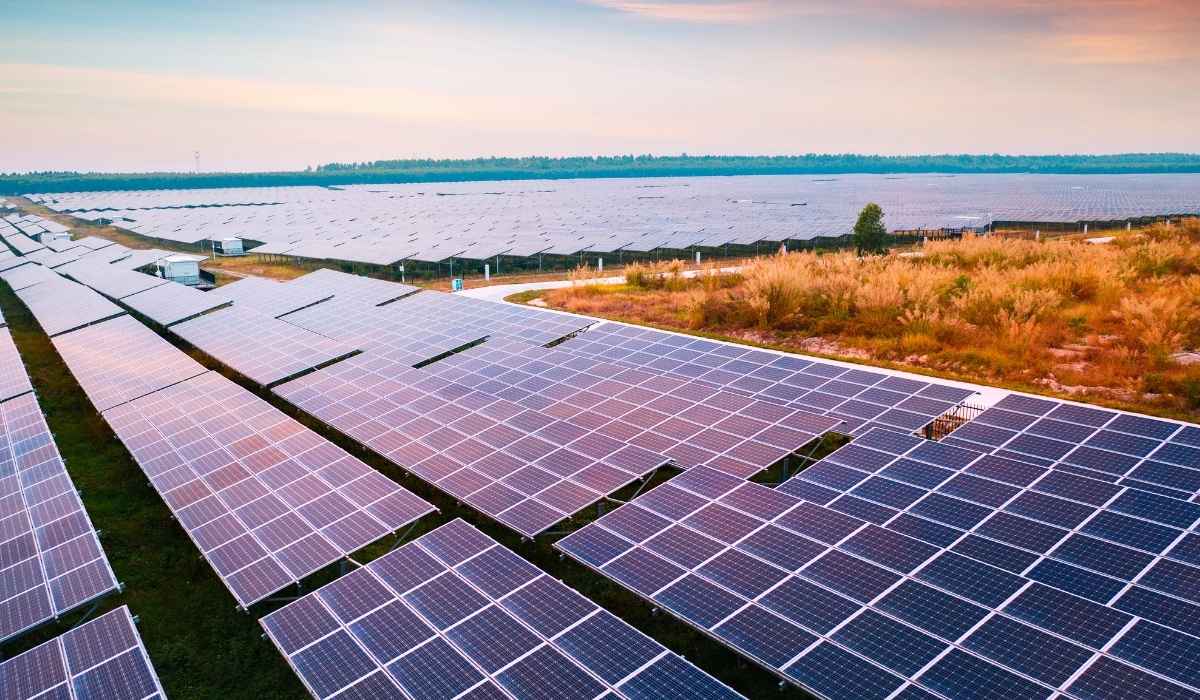
Minas Gerais reaches a historic record and surpasses the power of Itaipu, but network costs generate debate: Understand why solar energy in MG impacts the electricity bill of those without panels.

According to Donato, more than 90% of the national impact falls on companies located in the Northeast. This is because the majority of solar plants and also wind plants are concentrated in the northeastern states — with the only significant exception being Minas Gerais.
This regional concentration causes the effects of the cuts to be much more intense in states like Bahia, Pernambuco, and Piauí, which make up the largest share of the affected producers.
Cuts Reach Over 60% and Drastically Reduce the Delivery of Solar Plants
The 15 most affected producers in October recorded cuts between 63.57% and 40.84%, levels that make operation unviable in many cases. Minas Gerais, although less impacted overall, was exactly the state where the plant with the highest percentage cut for the month was located.
In Bahia, six projects suffered significant reductions, while Pernambuco and Piauí each had three plants on the list of the most affected.
Donato Filho explains that these cuts can vary significantly depending on the location of the plant. He details that when the cut reaches 60%, the plant “only produced 40% of the total that was expected.”
Financial Impact Affects the Entire Chain, Including Suppliers of Solar Plants
For the sector, the cuts affect not only producers. They reverberate, according to Donato Filho, throughout the entire production chain:
“It is an immense sadness because this can evaporate an entire chain that took 15 to 20 years to materialize.”
Manufacturers of equipment, local suppliers, maintenance companies, and dozens of businesses that depend directly on solar plants are also harmed.
The problem is even greater for producers operating in the free market. The reason is simple: if the company does not deliver the contracted energy, it needs to buy it in the market to honor the agreement — and this significantly increases its costs. As Donato summarizes, “in the end, everybody ends up in a tough spot.”
Why Do Cuts Happen? Understand the Bottlenecks Affecting Solar Plants
The generation cuts have technical and structural origins. The ONS determines the reduction of production when the power grid cannot evacuate all available energy. Among the main reasons are:
- lack of sufficient transmission lines in the Northeast;
- increased production in the morning when consumption is lower;
- excess supply at certain times;
- rapid growth of renewable generation without proportional expansion of the grid.
The large solar plants — classified as centralized generation — are the most affected. Meanwhile, small systems installed on rooftops, within distributed generation, do not suffer cuts because their energy is injected directly into the distribution grid.
Billion-Dollar Loss and Urgency for Reimbursement to Solar Plants
Since September 2023, the generation cuts have intensified. Between January and October of this year, it is estimated that R$ 5.4 billion in revenue has been taken from renewable energy producers. Just in October, the loss reached R$ 1 billion.
In light of this scenario, Donato Filho assesses that the absolute priority of the sector is to recover part of these losses:
“The most urgent thing is for companies to obtain reimbursement for the revenues they lost.”
He also advocates for the creation of a crisis committee for surplus energy, similar to the committees adopted by the federal government during periods of scarcity, to structure actions that reduce the cuts.
Suggested Structural Changes Include Encouraging Morning Consumption and Reorganizing the Electric System
Another point raised by Donato is the need to increase demand in the morning hours when excess solar energy causes a significant portion of the cuts. He mentions that specific auctions could stimulate large consumers to shift some of their load to this period.
Additionally, incentives for hydroelectric plants to increase their production in the late afternoon would also help balance the system, as “when the solar plants shut down, the hydroelectric plants would come in.”
The expert also suggests actions aimed at consumers, such as encouraging:
- the charging of electric cars in the morning;
- the use of appliances at strategic times;
- household habits that redistribute daily consumption.






Ótima matéria
Ótima matéria!