





 Português
  Inglês
  Espanhol
  5 min de leitura
  0 comentários


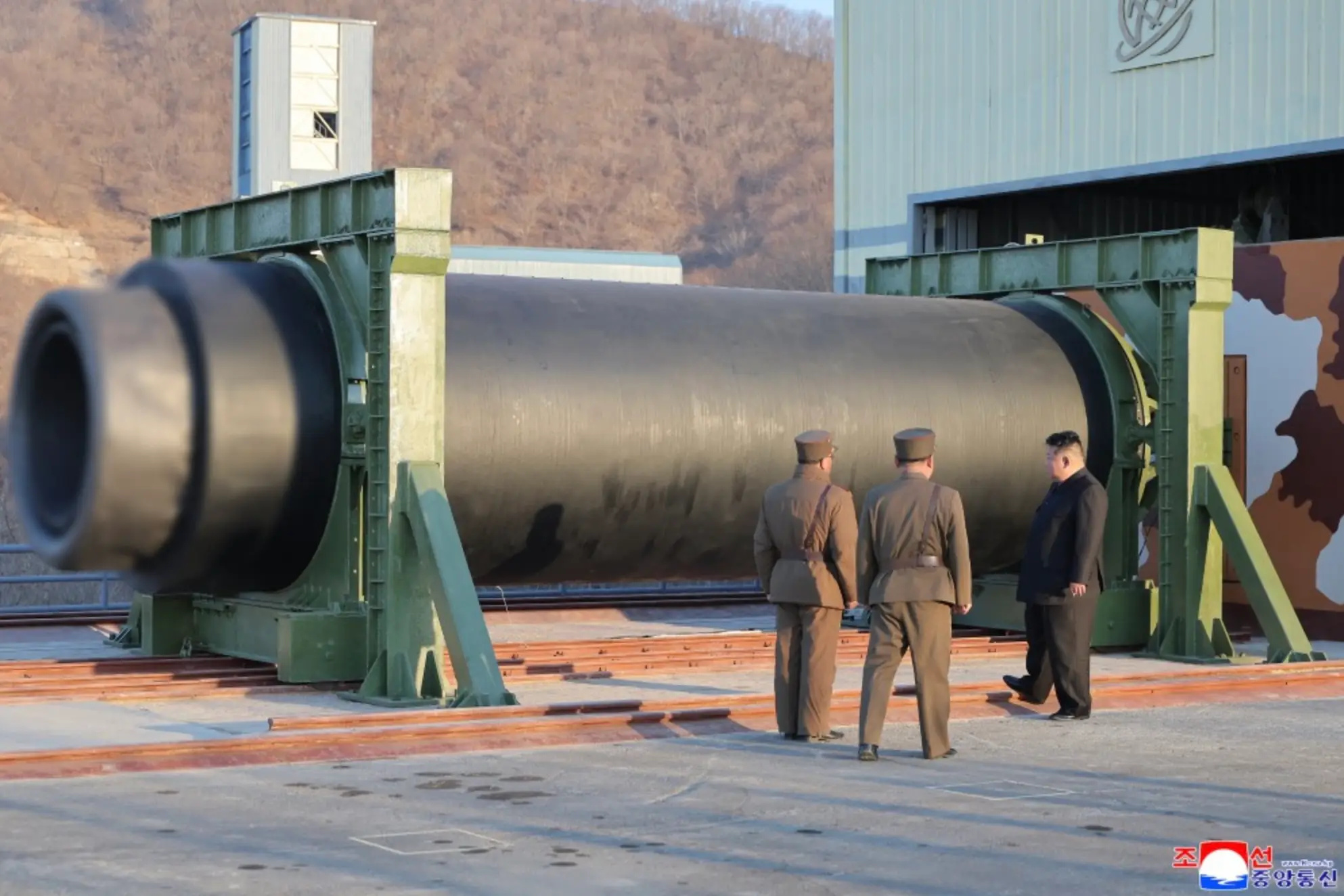
North Korea tests solid fuel engine for intercontinental missiles, advancement reduces launch time and increases strategic capacity.
In 2026, North Korea’s solid fuel engine program advanced beyond the initial tests conducted in 2022. According to a report by Reuters published in March 2026, Kim Jong Un supervised a new test of a high-power solid engine, described as part of a five-year strategic plan to modernize the country’s strike forces. The new solid fuel engine exhibited more advanced technical characteristics compared to previous versions. According to the same report, the system uses carbon fiber composite materials and achieves a thrust of approximately 2,500 kN, surpassing previous tests and indicating a direct evolution of the technology initiated years earlier.
This development did not occur in isolation. The advancement is linked to a broader strategy of transitioning to solid fuel missiles, which have been incorporated into different classes of North Korean armaments since 2024, including intermediate-range systems and intercontinental projects under development.
The central point remains the same, but with greater technological maturity: solid engines allow for near-instantaneous launch, greater mobility, and reduced exposure to detection systems, factors that analysts continue to point out as decisive for increasing survival and response capacity in conflict scenarios.
-
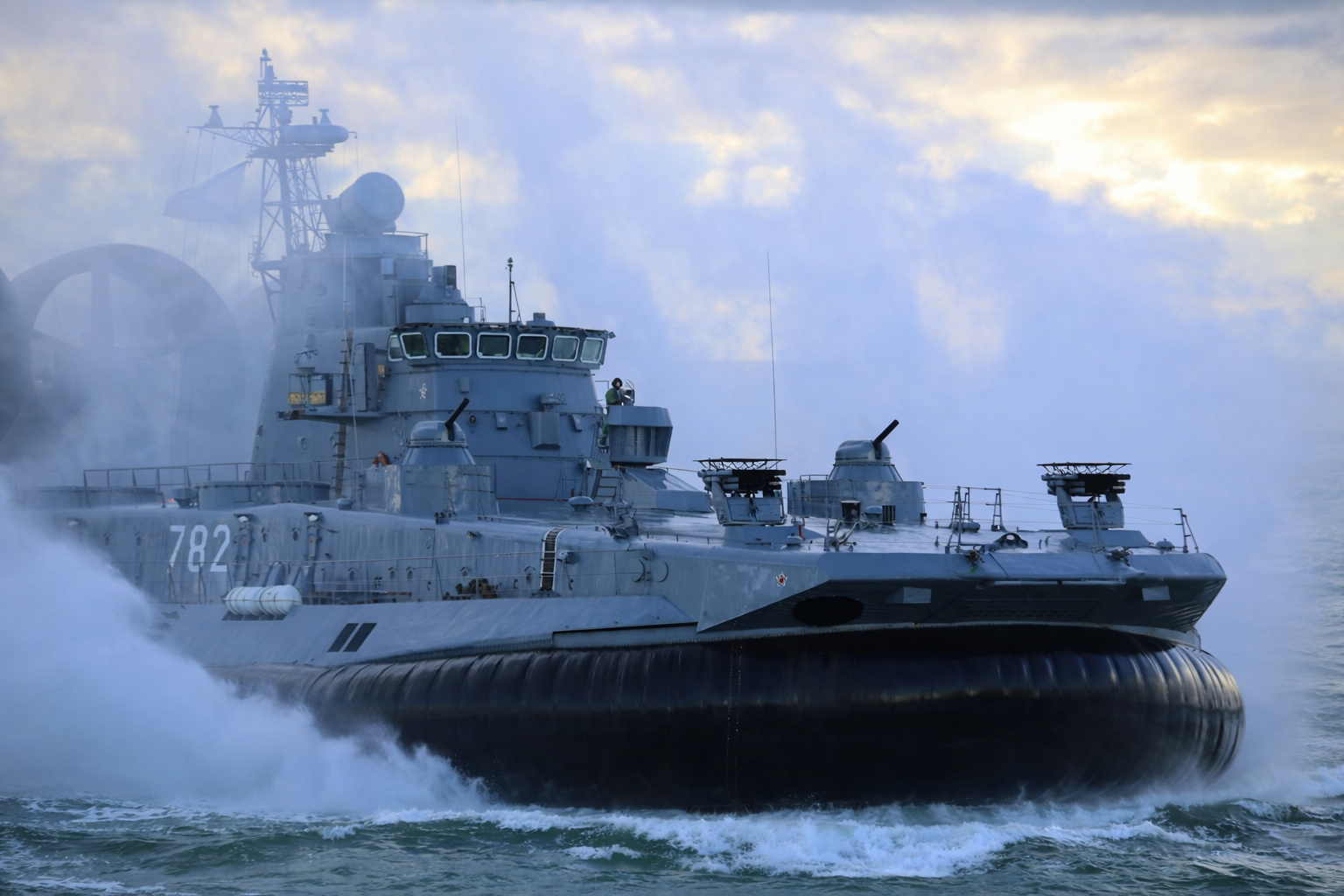
Classified as a “amphibious monster” weighing 555 tons, 57 meters long, and featuring three propellers with a diameter of 5.5 meters, the Zubr is the largest military hovercraft ever built, capable of transporting 3 tanks or 500 soldiers at speeds exceeding 100 km/h over water, ice, and sand, and China has resumed production of it to project power in the South China Sea.
-
The U.S. Army receives the first Black Hawk helicopter that can fly without pilots, be controlled by a tablet, and even land on its own during high-risk missions.

-
With 11,000 tons and sensors capable of hunting submarines at long distances, the Type 055 has become one of the most feared floating arsenals of the Chinese navy.

-
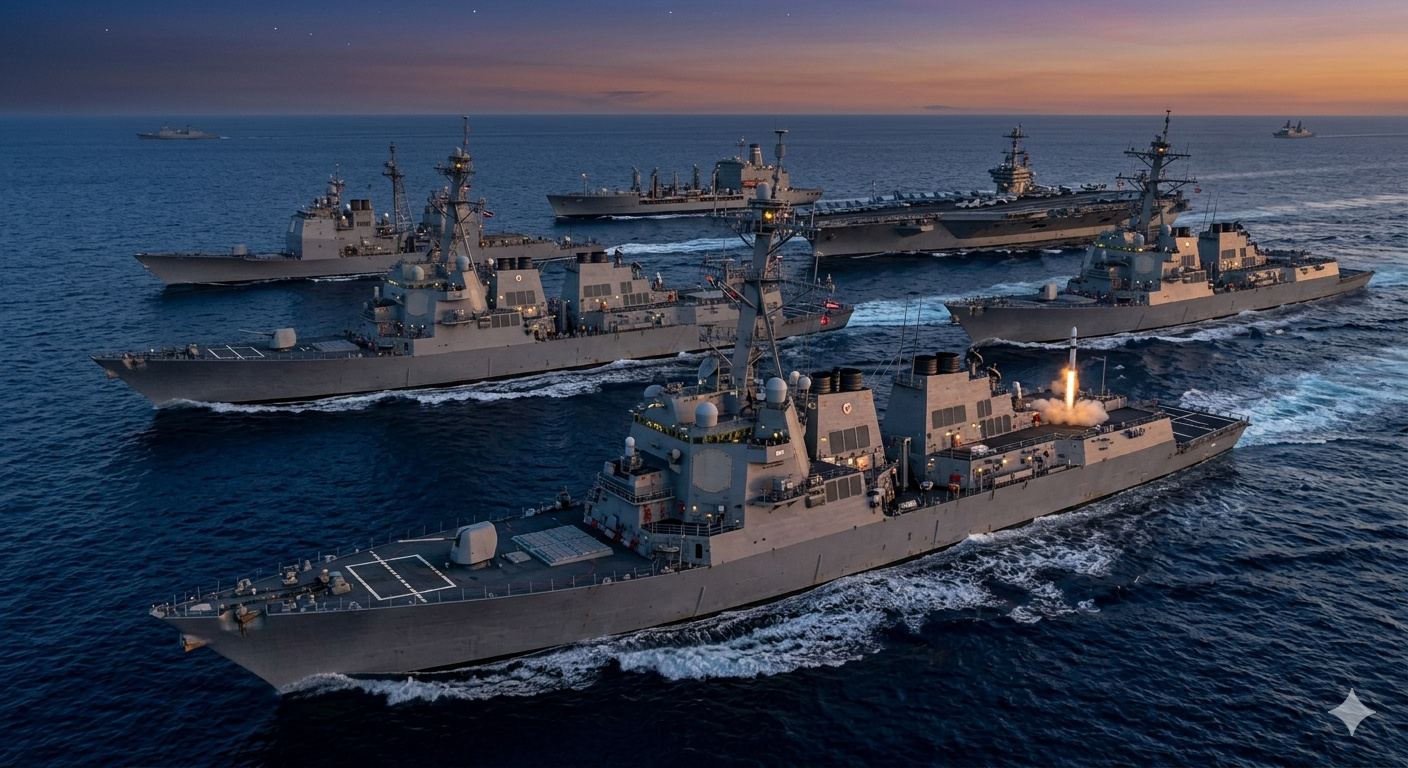
With over 15,000 tons, radars capable of tracking hundreds of targets simultaneously, and more than 120 missiles ready for launch in seconds, modern destroyers cease to be escorts and begin to dominate the naval battlefield.

Difference between solid and liquid fuel defines strategic capacity
Ballistic missiles can utilize two main types of propulsion: liquid or solid fuel. Liquid fuel-based systems require immediate refueling before launch, a process that can take hours and exposes the equipment to detection by satellites and surveillance systems.
On the other hand, solid fuel engines are stored ready for use, with the propellant already integrated into the rocket’s structure. This allows the system to be transported and launched quickly.
This characteristic drastically reduces the system’s vulnerability, making the launch more unpredictable and increasing the strategic effectiveness of the weaponry. This factor is considered one of the main advancements in modern missile programs.
High thrust indicates capacity for long-range missiles
The disclosed test indicated an engine with thrust estimated in the range of thousands of kilonewtons, a level necessary to propel large missiles capable of reaching intercontinental distances.
Thrust is the force responsible for overcoming gravity and accelerating the rocket. The greater this force, the higher the capacity to transport payloads, such as warheads, over long distances.


Engines with this level of power are essential for missiles that need to travel thousands of kilometers, crossing the atmosphere and entering a ballistic trajectory. This type of technology is restricted to a few countries.
Use of composite materials reduces weight and increases efficiency
Another relevant aspect of the project is the use of advanced composite materials, such as carbon fiber, in the construction of the engine. These materials offer high mechanical strength with less weight compared to traditional metals.
The reduction in structural weight allows for increased rocket efficiency, as less energy is needed to propel the structure.
Additionally, composite materials better withstand the high pressures and temperatures generated during combustion, contributing to greater performance and durability of the system. This type of technology is widely used in advanced space and military programs.
Sohae base is strategic testing center of North Korea
The Sohae facility, where the test was conducted, is considered one of North Korea’s main rocket development infrastructures. The site has been used for satellite launches and high-power engine tests.
The modernization of the base over the years indicates continuous investment in the country’s space and military program. The choice of this facility for the test reinforces the importance of the engine within the strategy for developing long-range systems.
Solid fuel engines are fundamental components of intercontinental ballistic missiles, known as ICBMs. These systems are designed to reach targets at distances greater than 5,500 kilometers.
The development of this type of technology significantly expands a country’s strategic reach, allowing it to target distant regions in a short time frame.
The capacity for rapid launch and mobility makes these systems harder to neutralize, altering the strategic balance between nations.
Technological evolution indicates maturity of the North Korean program
Over the past few years, North Korea has demonstrated progressive advancements in its missile development capabilities. Successive tests indicate improvements in propulsion, guidance, and materials.
The use of solid fuel represents a qualitative leap compared to previous systems based on liquid fuel.
This advancement suggests that the program has entered a more advanced phase of development, focusing on efficiency, speed, and operational capacity.
Implications for anti-missile defense systems
The development of missiles with rapid launch and shorter preparation time represents a significant challenge for anti-missile defense systems. These systems rely on early detection for interception. With the reduction in time between preparation and launch, the response window becomes smaller.
This increases the complexity of defense strategies, requiring faster and more precise systems to identify and neutralize threats in real-time.
The engine test is part of a broader plan announced by the North Korean government, aimed at strengthening its strategic capabilities. This plan includes the development of new launch systems, satellites, and advanced weaponry.
The continuity of these tests indicates that the country seeks to consolidate its position in the international arena through technological and military capability. Investment in solid propulsion is one of the pillars of this process, due to its direct relevance to the effectiveness of long-range systems.
Solid engine redefines response capacity and range
The test of the high-power solid fuel engine represents a significant advancement in North Korea’s missile program. By combining high thrust, advanced materials, and rapid launch capability, the system expands the range and efficiency of the weaponry.
The transition to solid engines reduces vulnerabilities, increases mobility, and redefines strategic response capacity, consolidating a technological evolution that directly impacts the global geopolitical balance.








Seja o primeiro a reagir!