





 English
  Francês
  Alemão
  Italiano
  Japonês
  Norueguês
  Portuguese
  Spanish
  2 min of reading
  0 comments


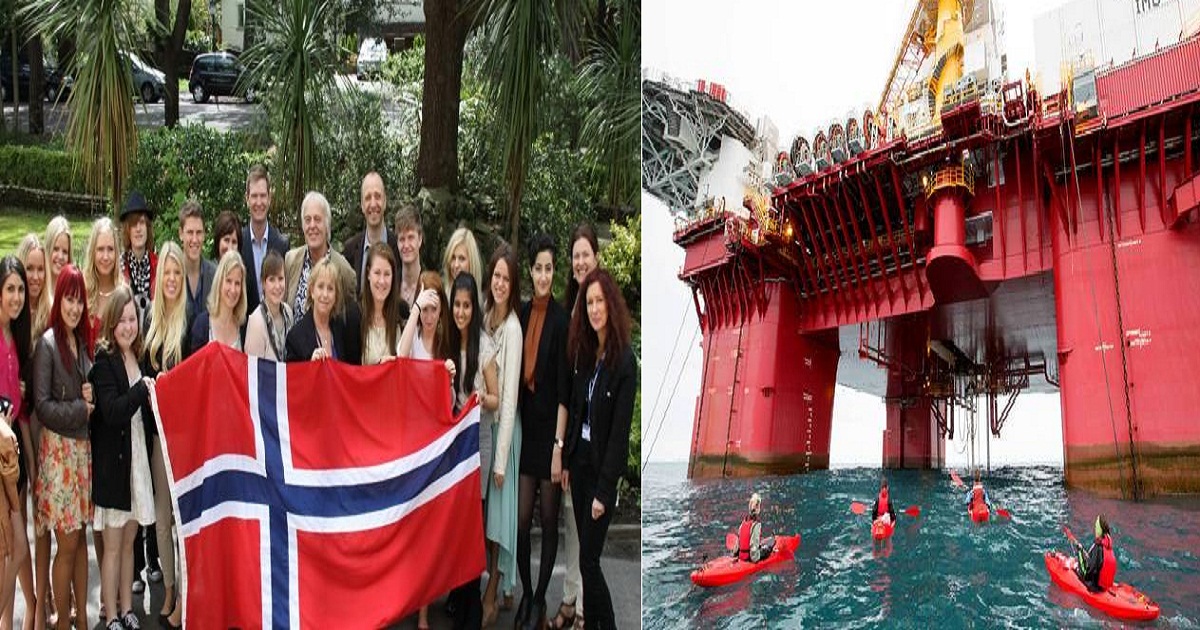
With a 1990s Background, Norway Has Trillions Saved for Future Generations
[supsystic-social-sharing id=’1′]In times of crisis in the oil industry, Norway and its citizens could be desperate, with chaos throughout the country and their economy going down the drain, considering that 25% of Gross Domestic Product comes from fossil fuel extraction. But astonishingly, no one there knows what a crisis is, at least it’s not felt like in other continents. But why does that not happen there?
Very simple! Starting in 1990, Norway initiated the Oil Fund (“Oljefondet”), with the aim of saving resources from oil extraction to ensure the quality of life for its citizens in the future. This model served as a template for the creation of a similar program here in Brazil for the pre-salt reserves.
Besides being brilliant, this is the largest sovereign fund on the planet, and “belongs to the people and for the people”. In other words, this money can never be touched by high-ranking politicians for trivial reasons; there are strict criteria where transparency and control are fundamental. If you go out on the streets and ask a Norwegian about this fund, they will say the following: “The fund was created to benefit our children, and also our children’s children”. See the video below, then continue reading:
-
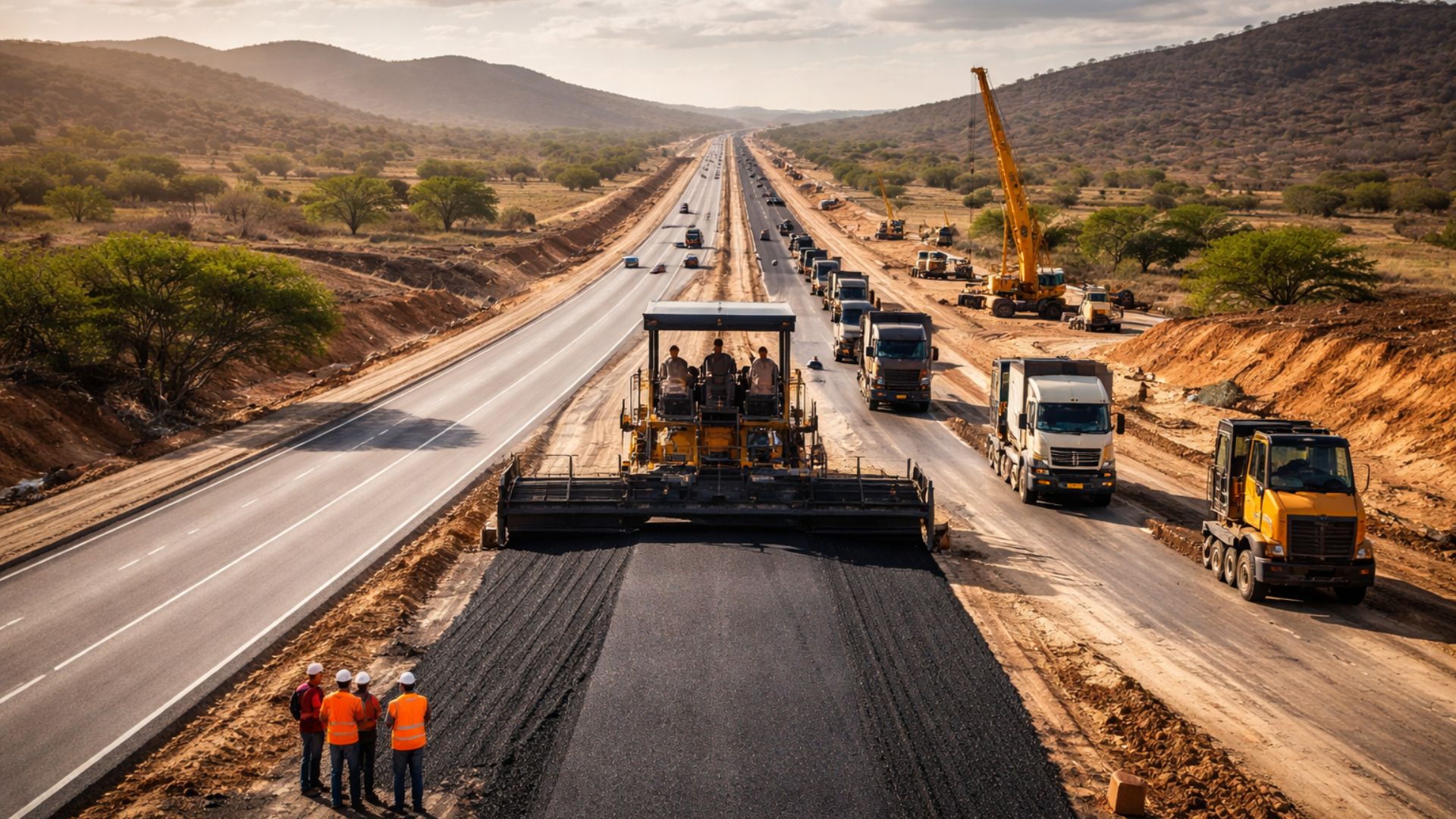
Government unlocks R$ 554 million for a highway that has been requested for decades and accelerates the duplication of BR.
-
Without bricks, without cement, and without endless construction: the cardboard house that is assembled in modules and can be moved.

-
Billions of barrels on the equatorial margin could lead Amapá to double its oil production in Brazil — the state aims to enter the route of companies in the Campos Basin, attract investments, and boost jobs and businesses in the oil and gas sector.

-
Without bricks, without cement, and without endless construction: the cardboard house that is assembled in modules and can be moved.



Corruption Scandals at Petrobras Left the Norwegian Government on High Alert
They care so much about their sovereign fund that in 2016, motivated and concerned by the repercussions of the corruption scandals at Petrobras “in Brazil”, the country’s ethics council requested that the state fund be put under observation. The control chain of the Oljefondet works as follows: The Ministry of Finance controls this fund, but it is managed by the Central Bank of Norway.
The Norwegian concept is very simple and clear: The money generated from the fund can only be touched under very special circumstances and only on the earnings at a maximum rate of 4% per year. Surprisingly, this has never happened since the fund was created. This maintains a society with equal rights and a stable economy.







Seja o primeiro a reagir!