





 Portuguese
  English
  Spanish
  4 min of reading
  5 comments


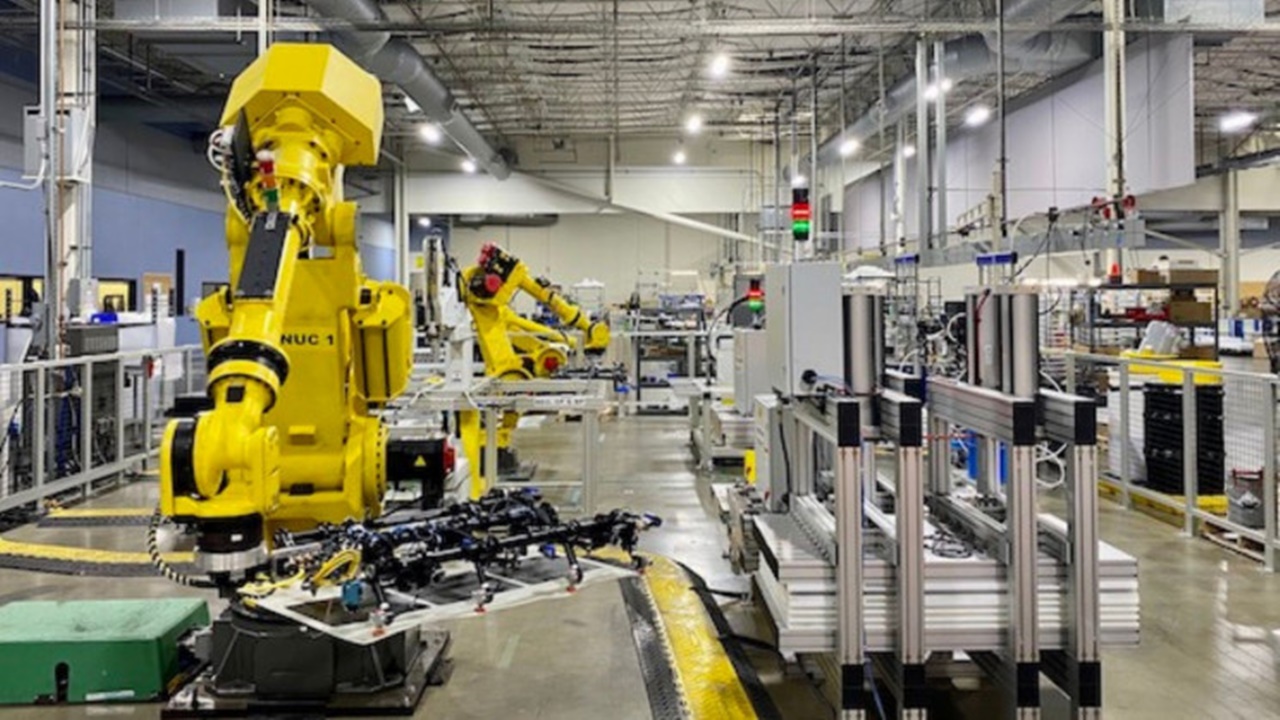

Iron flow batteries are a game changer and came to replace lithium-ion batteries. Technology ensures much higher reliability in the generation and distribution of solar energy, for example.
Amid high technology, would it be presumptuous to say that a battery made of iron, salt, and water could replace lithium-ion energy cells in the future? Experts say that in addition to being ideal for large-scale electricity storage, iron flow batteries also have the advantage of being much cheaper to produce.
The electrical grids of the world are under pressure due to the high volatility of fossil fuel prices and the increasing trend to disconnect the planet from polluting energy sources. One of the solutions may be about to convince manufacturers – an innovative battery that uses iron instead of lithium and that is a cheaper alternative to current technology.
Watch the video below, and discover the new technology that came to revolutionize renewable energy worldwide

Iron flow batteries use three of the most abundant elements on Earth – iron, salt, and water
Iron flow batteries use three of the most abundant elements on Earth – iron, salt, and water. Each battery has only four components: two electrodes between which charged particles mix as the battery is charged and discharged, an electrolyte that allows the particles to flow smoothly, and a separator to prevent the two electrodes from short-circuiting.
-
Brazil raises alarm to avoid blackout: the country may need 3 Itaipus and is already wasting up to 5,135 MW of energy on days of excess solar.
-
Dozens of Chinese research ships are discreetly mapping the ocean floor in three oceans – and naval analysts see a military pattern.
-
The winter of 2026 in Brazil will not be what you expect: meteorologists warn that the season will be warm and rainy at the same time due to the advance of El Niño, which is already warming the Pacific and changing the climate of the entire country.

-
For the first time, humanoid robots will compete in a full half-marathon without any human assistance in Beijing, with over 100 teams from China registering machines that need to complete the course with autonomous navigation on two legs.


If that sounds easy, it isn’t. Getting the right mix of iron, salt, and water is key, and creating a membrane that lasts a long time is not easy. But ESS has ready-to-go products and just signed an agreement with SB Energy, a division of SoftBank, to supply 2 gigawatt-hours (GWh) of its iron flow batteries between now and 2026. The first of the batteries will be deployed at a solar power plant in Davis, California this month.
In a press release, Rich Hossfeld from SB Energy says: “ESS’s unique ability to manufacture and deliver batteries using iron, salt, and water is a game changer, allowing SB Energy to offer our customers safe, sustainable, and low-cost energy storage today. Long-duration storage is absolutely essential to providing flexible and affordable renewable energy at scale and perfectly aligns with the Biden administration’s ambitious clean energy initiatives. SB Energy is excited to continue its partnership with ESS and deploy the made-in-America batteries in the vast and fast-growing energy storage market.”
New iron flow batteries have a lifespan of 25 years and are easily recyclable
ESS claims that its iron flow batteries last over 20,000 charge/discharge cycles and can provide energy for up to 12 hours, ensuring much higher reliability in the generation and distribution of solar energy, for example. In addition, they have a lifespan of 25 years and are easily recyclable when their useful life ends. The company says it uses the same electrolyte on both the negative and positive sides of the equation, which eliminates cross-contamination and degradation that shortens the lifespan of other flow batteries.
Time shifting is the operational concept when it comes to energy storage. Some people like to joke from the sidelines and suggest that the wind doesn’t always blow and the sun doesn’t always shine, and that’s why we need to keep thermal and nuclear power plants running.
As MIT noted in 2011 “The sunlight that hits the Earth every day is clearly sufficient at scale to meet all of humanity’s energy needs – if it can be harvested and stored economically.” It states that approximately 173,000 terawatts of solar energy hit the Earth every day – 10,000 times more energy than needed to meet the energy needs of all humanity. And it’s free, folks! All we need to do is figure out how to harvest it, store it, and distribute it. That’s where time shifting comes in. Generate it now, store it, and use it later when the sun is over the horizon.
No one is suggesting that ESS iron flow batteries are the only solution for energy storage, but at an estimated cost of about $25 per kilowatt-hour, they clearly should be part of the mix of available energy storage technologies like lithium-ion batteries.
I would love to hear your thoughts on this battery. Let us know in the comments section if you are a professional in the field. Don’t forget to enable CPG notifications to stay updated on all the news in the energy world. See you next time!





Ótima reportagem , e é a solução que estávamos esperando, na questão de armazenamento de energia.
Esse é um presos release, e só.
Bom artigo, mas sinto falta de certas informaçoes tais como:
Eficiencia energética
Volume necessário (tanques) para armazenar, por exemplo, 100 MWh.
Potência das baterias comerciais.