





 English
  Francês
  Alemão
  Italiano
  Japonês
  Norueguês
  Portuguese
  Spanish
  4 min of reading


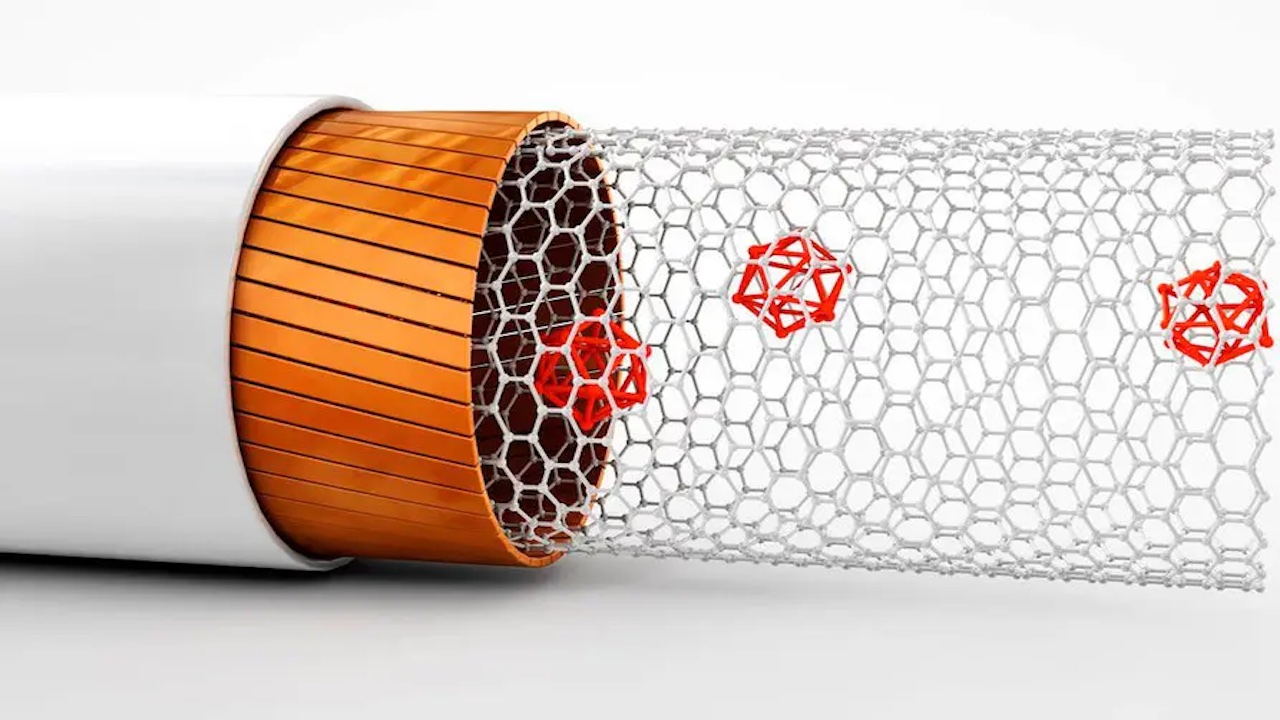
Considered The Battery Of The Future, The Lithium-Air Battery Allows An Electric Car To Run More Than 600 Km On A Single Charge And Exhibits The Best Lifespan Performance Ever Achieved
Researchers at NIMS – National Institute for Materials Science of Japan, in partnership with Softbank Corp, created the lithium-air battery with the highest energy density in the world, which can double the range of electric cars and exhibits the best lifespan performance ever achieved. The research team also confirmed that this battery can be charged and discharged at room temperature. These results represent a significant step towards the practical use of lithium-air batteries!
Read Also
- After Being Accused Of Plagiarism By Volkswagen For Manufacturing An Electric Copy Of The Iconic Beetle, Chinese Automaker Challenges The German Company And Announces The Launch Of The Chinese Electric Beetle In The Asian Market For March
- Scientists Simulate An Indescribable Process Of Cosmic Energy Within Graphene Particles That Promises To Revolutionize Electronic Devices Worldwide
- The Giants Volkswagen And Bosch Create A Company For The Manufacturing And Production Of Electric Car Battery Cells, And Europe Has A Unique Opportunity To Become A Global Battery Power In The Coming Years
- Iron Flow Batteries Can Remain Active For 25 Years Or More Without Degradation Over Their Lifespan And Will Revolutionize Energy Storage Worldwide
Softbank’s battery cell manufacturing technology has achieved a prototype that reaches 500 Wh/kg of energy density, doubling the usual values achieved with lithium-ion batteries. Furthermore, according to the authors of the research documentation, “it is the world’s first achievement of a charge/discharge reaction of a high-quality lithium-air battery at room temperature.”
Lithium-air batteries have the potential to be the best rechargeable batteries: they are lightweight and high-capacity, with theoretical energy densities several times greater than currently available lithium-ion batteries. Due to these potential advantages, they could find use in a wide range of technologies, such as drones, electric vehicles, and home electricity storage systems.
-
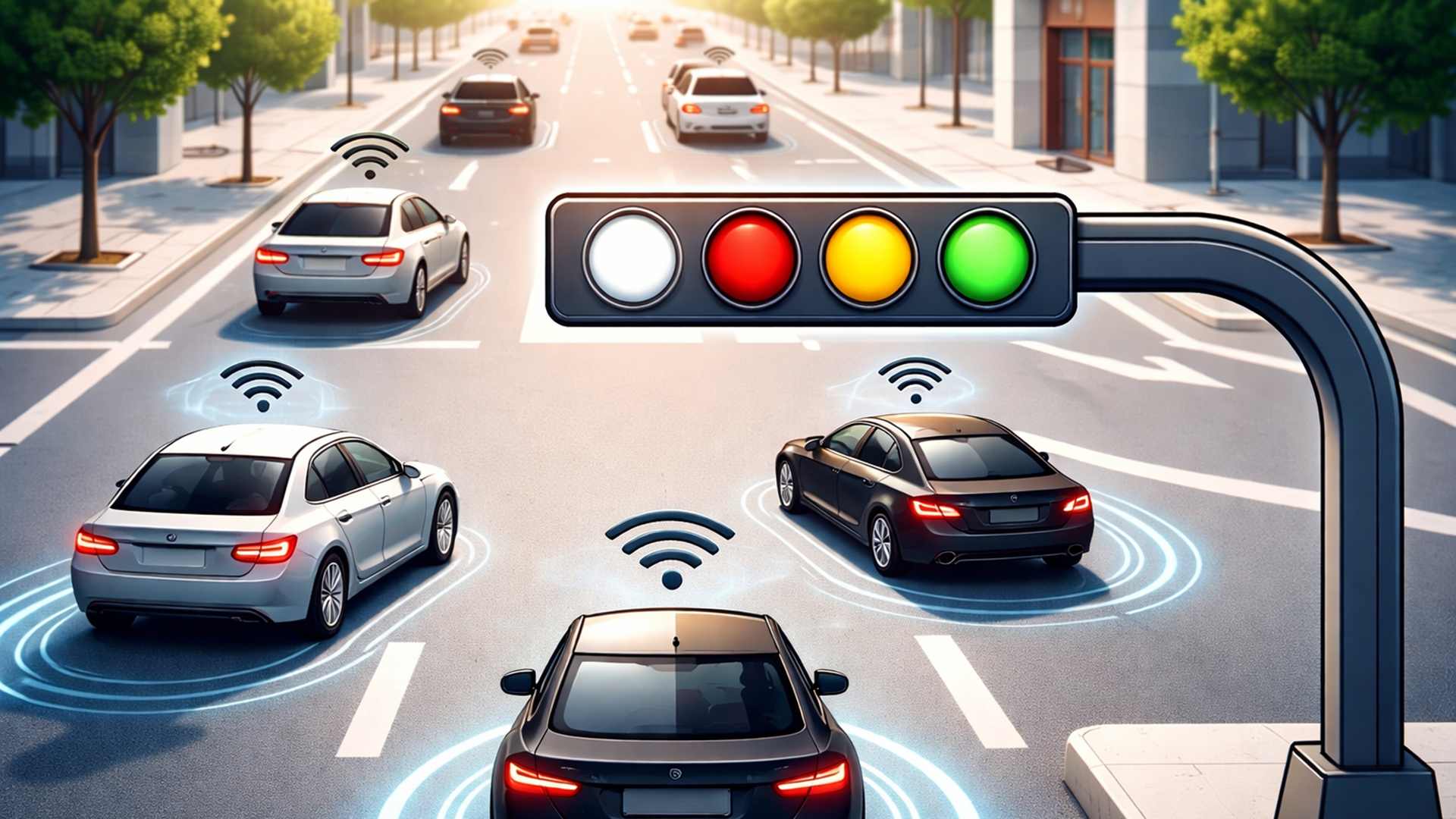
Engineers propose a fourth traffic light for intersections – the change promises to affect crossings, queues, and waiting times.
-
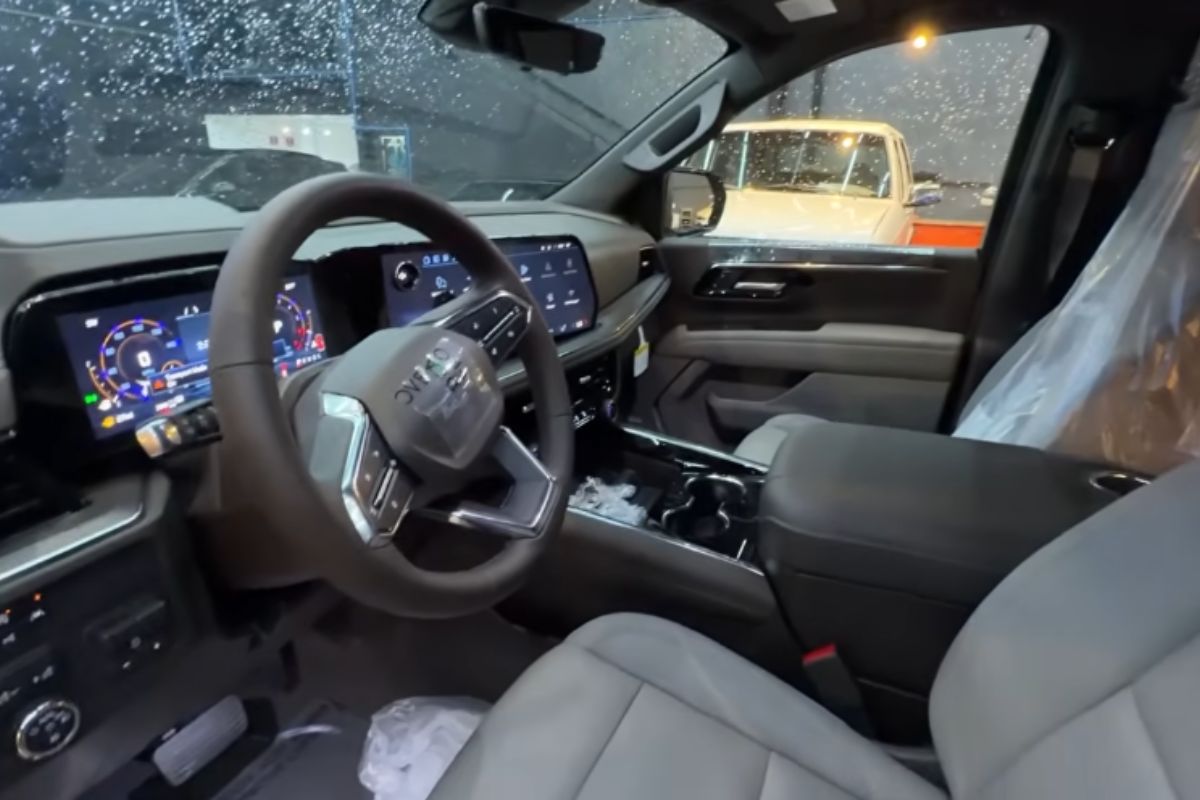
Chevrolet Suburban Z71 lands in Brazil with a V8 engine, off-road design, air suspension, seven seats, and colossal size, a rare version imported for around R$ 1.3 million with luxury and exclusivity.
-
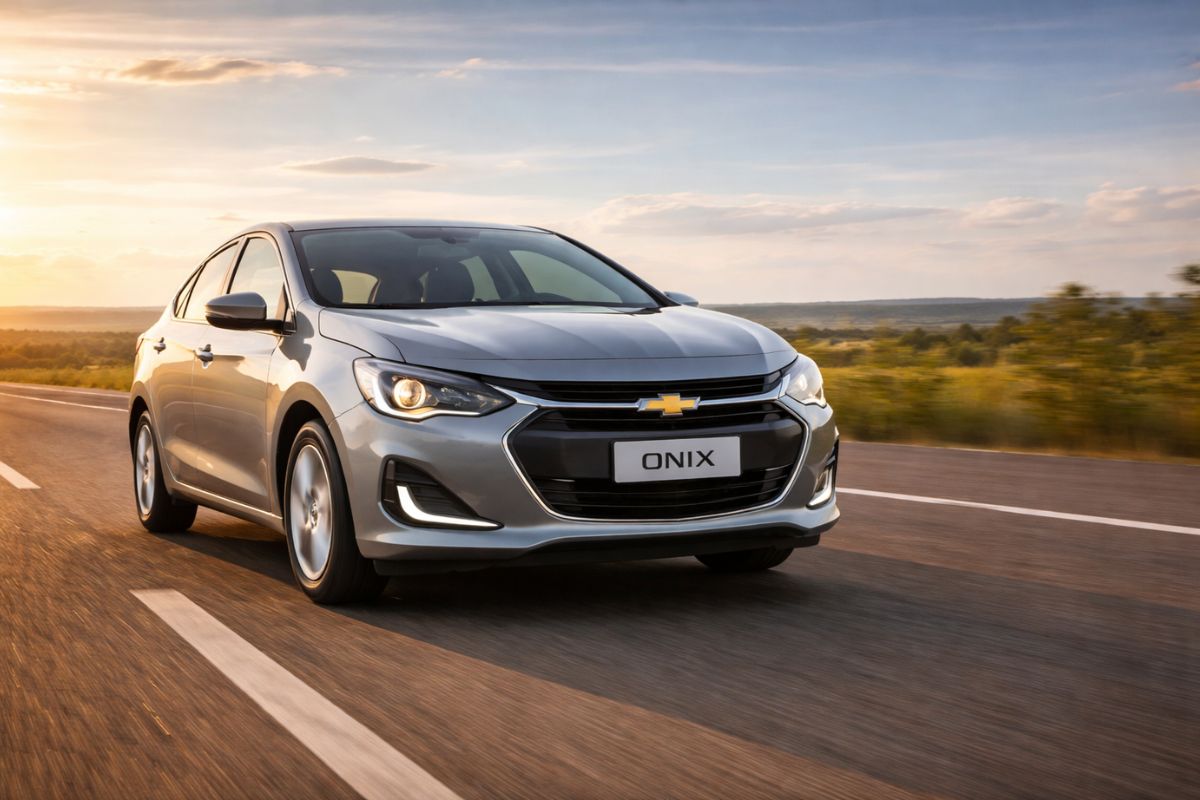
The Chevrolet Onix 1.0 turbo achieves 17.7 km per liter on the highway and ranks among the three most economical cars in Brazil in 2026, alongside two more expensive Toyota hybrids available at dealerships.
-
Little sister of the Hilux: Toyota launches Land Cruiser FJ with 4 radical versions, 2.7 engine with 166 hp and 4×4 traction with locking.

For the lithium-air battery to achieve 500 Wh/kg, researchers identified the critical issues of this technology to improve its performance and eliminate its limiting factors, such as undesirable chemical reactions and the need to use pure oxygen. Softbank allowed real tests to be conducted with it to demonstrate its advantages.
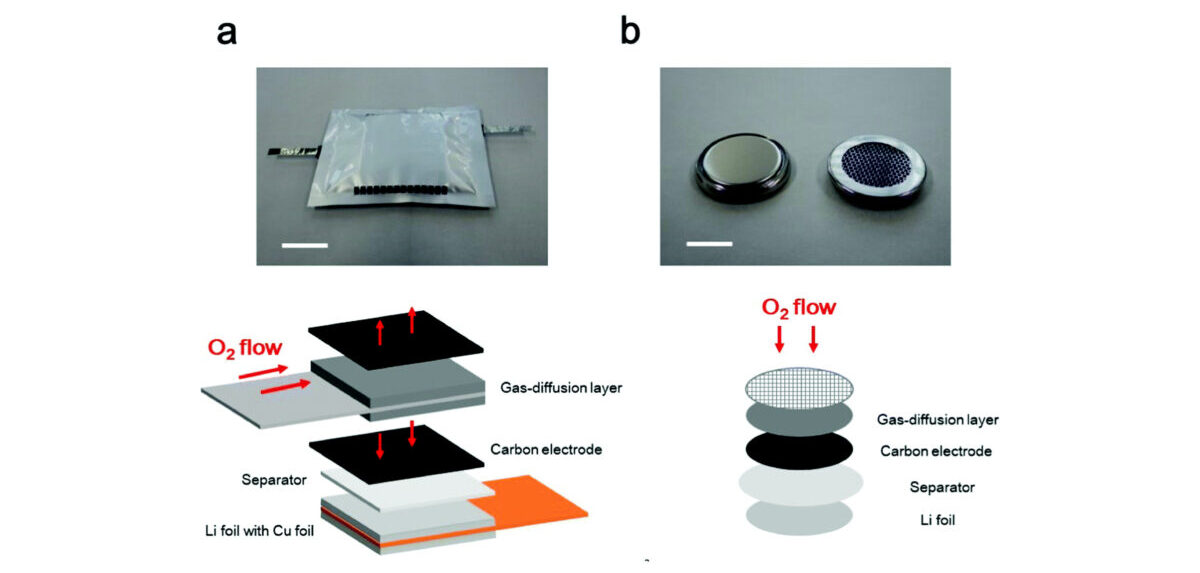
Lithium-Air Batteries Are Considered The Batteries Of The Future, Allowing An Electric Car To Run More Than 600 Kilometers On A Single Charge
In a conventional lithium-ion battery, the negative electrode is graphite, the positive is made of a metal oxide, such as cobalt lithium oxide, and the electrolyte is a lithium salt dissolved in an organic solvent. The battery action depends on the movement of lithium ions between electrodes. Lithium-ion batteries deteriorate over time and their relatively low energy densities mean they need to be recharged frequently.
Lithium-air batteries (or lithium oxygen) are considered the batteries of the future due to their high theoretical energy density, which can be up to ten times greater than that of lithium-ion.
The value that can be achieved in this section is comparable to gasoline, which would allow an electric car to travel more than 600 kilometers on a single charge with a battery much lighter than current lithium-ion batteries, also offering a longer lifespan.
Research Aims To Implement Lithium-Air Batteries In Practical Use In Mobile Phone Stations, Internet Of Things, HAPS, And Other Technologies
In 2018, NIMS and Softbank founded the Center for Advanced Technology Development to conduct research aimed at putting lithium-air batteries into practical use in mobile phone base stations, Internet of Things (IoT), HAPS (High Altitude Platform Stations), and other technologies.
NIMS has been conducting basic research on lithium-air batteries with the support of the ALCA-SPRING program (ALCA: Advanced Low Carbon Technology Research and Development Program, SPRING: Specially Promoted Research for Innovative Next Generation Batteries). This program was funded by the Japan Science and Technology Agency (JST) with the goal of accelerating research and development of high-capacity rechargeable batteries.
This project was conducted by a research team led by Shoichi Matsuda (Senior Researcher, NIMS), Manai Ono (Postdoctoral Researcher, NIMS), Shoji Yamaguchi (Specialized Team, NIMS), and Kohei Uosaki (Researcher, NIMS; also Director, NIMS-SoftBank Advanced Technologies Development Center). This work was primarily supported by the JST ALCA-SPRING program and the NIMS-SoftBank Advanced Technologies Development Center.
Source: National Institute for Materials Science, Japan









Seja o primeiro a reagir!