





 Portuguese
  English
  Spanish
  3 min of reading
  0 comments


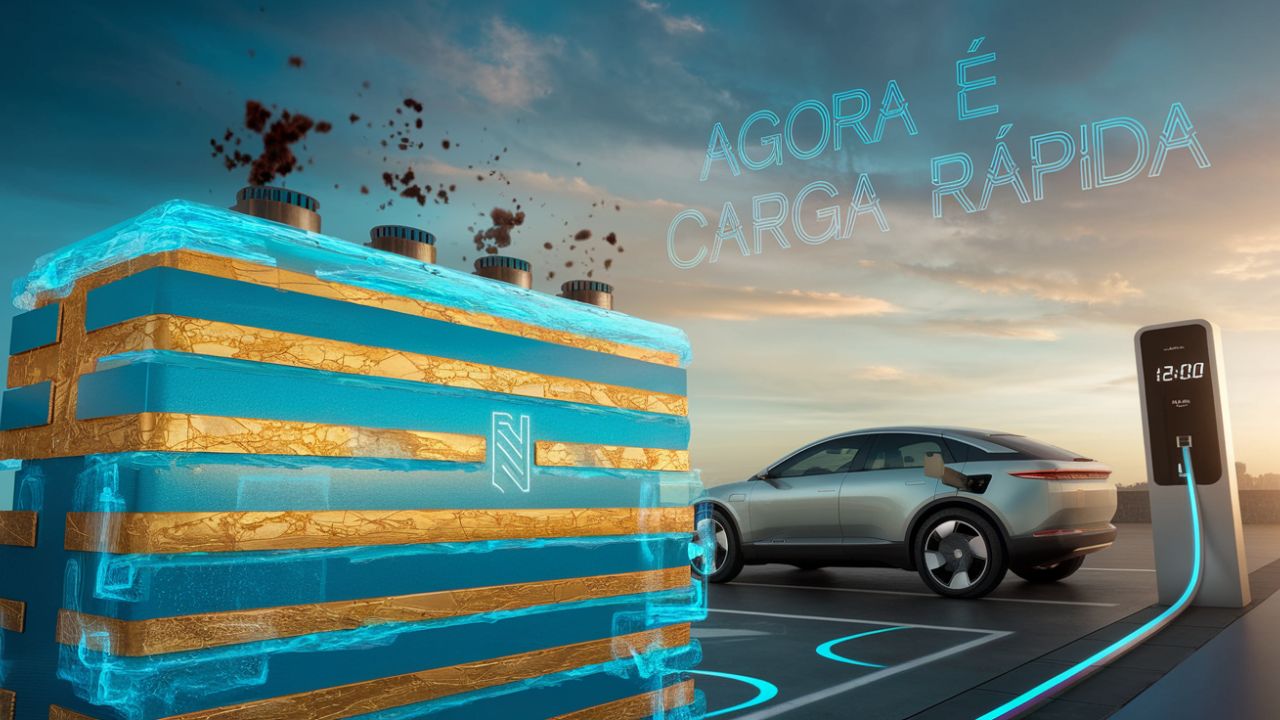
With an Innovative Nitrogen-Doped Graphitic Carbon Material, the New Lithium-Sulfur Battery Offers High Energy Density, Lasts Up to 82% After 1,000 Cycles, and Promises to Revolutionize the Electric Vehicle and Portable Device Market.
Charging your electric vehicle battery in just 12 minutes while still ensuring over 1,000 cycles of use. It sounds like a futuristic dream, but this is the promise of the new lithium-sulfur battery. Developed by South Korean researchers, this technology is ready to revolutionize the market and transform the way we interact with electronic devices and sustainable vehicles.
What Makes the New Lithium-Sulfur Battery So Special?
The secret behind this innovation lies in the use of a highly graphitic, multiporous carbon material that is doped with nitrogen. But what does that mean? Essentially, this unique structure creates “paths” that facilitate the interaction between sulfur and the electrolyte, significantly improving the efficiency of the battery.
Nitrogen doping plays a crucial role in preventing the migration of lithium polysulfides, one of the biggest challenges of lithium-sulfur batteries. This innovation ensures that the battery maintains its capacity even after intense charging and discharging cycles.
-
A startup sends robotic gloves for users to wear at home while washing dishes, folding clothes, and making coffee; every finger movement is recorded and sent back to train a domestic robot that has already learned 10 million real tasks without ever having entered a kitchen.

-
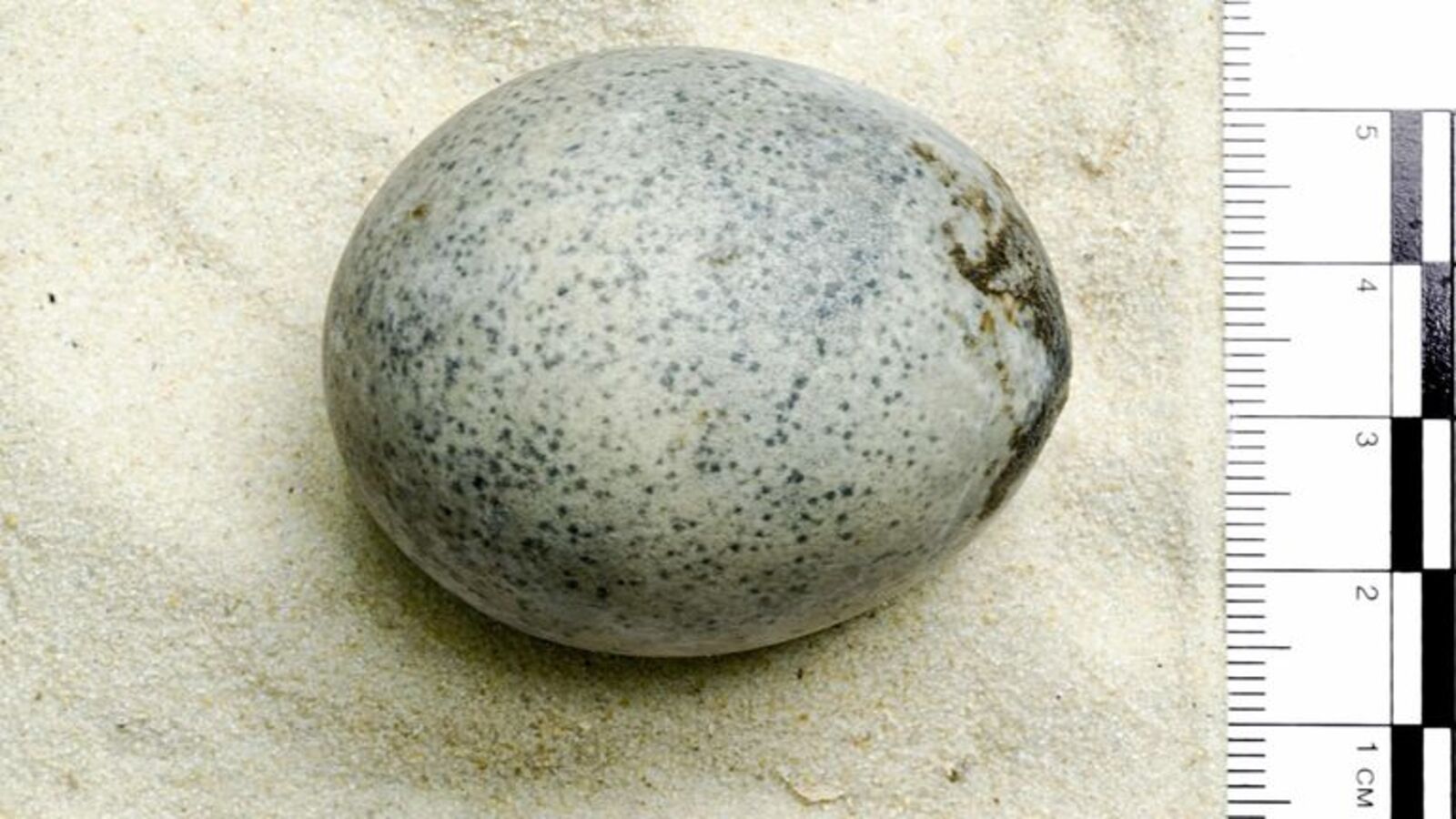
In a flooded well, archaeologists found a 1,700-year-old Roman egg that still contains clear and yolk intact inside the very thin shell.
-
Something is happening around the Earth: Inside the huge explosion of fireballs in 2026

-
A hot air bubble coming from Argentina expands over Brazil, causing thermometers to exceed 38 degrees with a thermal sensation of 40 degrees in late March, affecting 6 states at once.

Fast Charging: 12 Minutes That Transform the Market

With the ability to fully charge in just 12 minutes, the new technology overcomes historical limitations that hindered the popularization of lithium-sulfur batteries. This speed is achieved thanks to the redirection of lithium sulfide formation, a process highly optimized by scientists.
In addition to fast charging, the battery is incredibly durable, maintaining 82% of its capacity after 1,000 cycles. This is possible due to the structural stability provided by the porous carbon material and nitrogen doping, which protect the battery from degradation.
Challenges Overcome: From Laboratory to Market
Before this innovation, lithium-sulfur batteries faced difficulties in maintaining satisfactory performance during fast charging. The use of multiporous carbon and doping has resolved this issue, making the technology viable for everyday use.
The degradation caused by the migration of polysulfides has been precisely minimized. This solution not only extends the lifespan but also reduces costs, making it more accessible to the market.
More Accessible and Durable Electric Vehicles
The new lithium-sulfur battery promises to revolutionize the electric vehicle market, making them more accessible and efficient. With fast charging and greater durability, this technology removes barriers for those seeking sustainable alternatives.
Beyond electric vehicles, the new battery could impact various sectors, from portable electronics to renewable energy storage systems. Its high energy density and competitive cost make it an ideal candidate to lead the next generation of batteries.
The new lithium-sulfur battery represents a milestone in energy technology, combining fast charging, high durability, and efficiency. With the potential to transform the market for electric vehicles and other sectors, it brings us closer to a future that is more sustainable and connected.
So, are you ready for a world where charging your battery is as quick as making a coffee? This revolution is closer than we think!









-

-

2 pessoas reagiram a isso.