





 English
  Francês
  Alemão
  Italiano
  Japonês
  Norueguês
  Portuguese
  Spanish
 3 min of reading
  0 comments


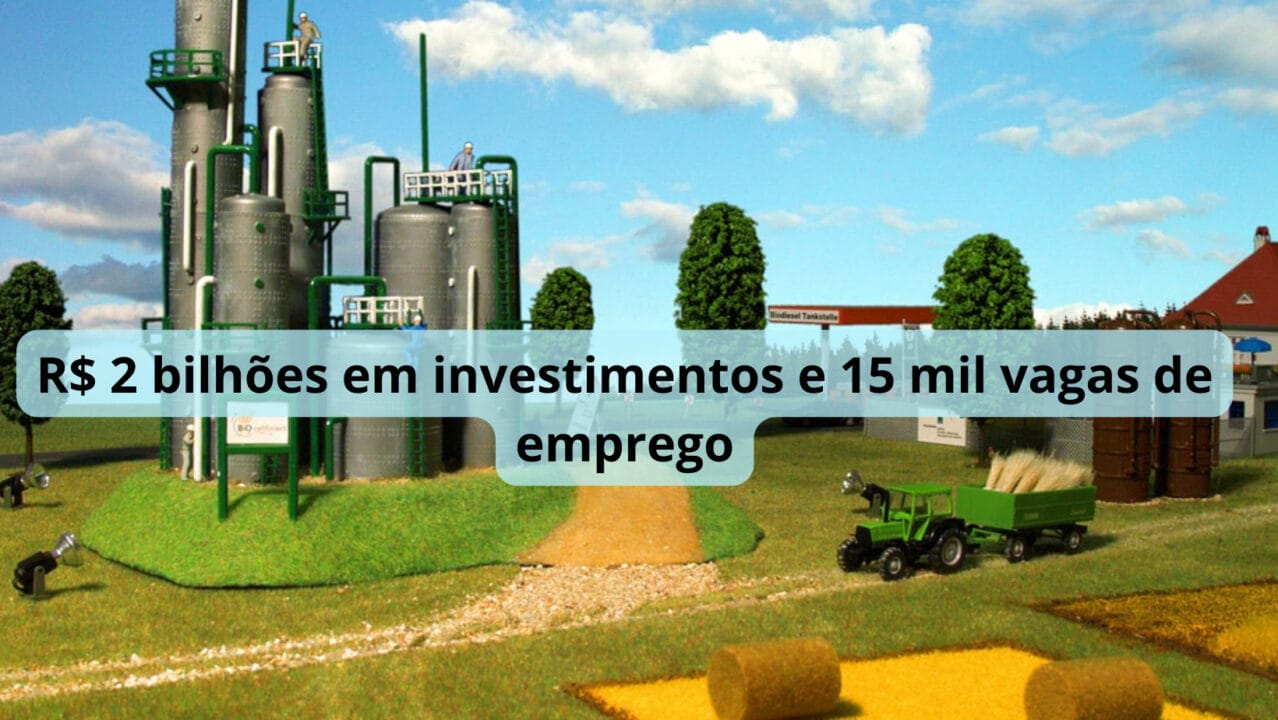
The New Biorrefinery That Will Produce Sustainable Fuel Will Be Established by Brasil BioFuels with the Offer of Hundreds of Jobs
The biofuels industry is on the rise in Brazil, and Brasil BioFuels (BBF) is leading the way. Recently, the CEO of the BBF Group, Milton Steagall, shared in an interview with Revista O Empreiteiro and the Site Amazônia Sustentável, the company’s ambitious plans for the use of palm oil as a raw material in the production of biofuels with the construction of a biorrefinery, according to the site Isto É.
This includes a new biorrefinery currently under construction in the Manaus Free Trade Zone, with the capacity to produce 500 million liters of Green Diesel and Sustainable Aviation Fuel (SAF) annually. This promising initiative not only represents a technological advancement but also job creation for Brazil.
The Potential of Sustainable Fuels and the BBF Biorrefinery
BBF is investing about 2.2 billion reais in this innovative venture. What is even more noteworthy is that the biorrefinery has the potential to generate around 15,000 additional direct jobs. These job openings are not limited to the biofuels industry, as they will extend to both the agricultural and industrial sectors.
-
Renewable energy advances over protected areas in Brazil, and a survey by the Energy Transition Observatory reveals silent impacts that challenge environmental conservation and pressure sensitive traditional territories.

-
The Economist states that Brazil has a “secret weapon” against expensive oil and highlights how the country can reduce economic impacts even in international scenarios of high volatility.
-
Rio Grande do Sul accelerates energy transition: State invests in renewable technologies and consolidates decarbonization strategies and pathways to attract billions in new industrial investments.

-
Future profession with immediate earnings: Specialist reveals how a solar energy technician earns R$ 8,000 per month by taking advantage of the explosion in demand across the entire country.


The sustainable cultivation of palm, which serves as the primary raw material for these innovative biofuels, will open opportunities for workers in states like Roraima, Pará, and Amazonas. This is particularly significant in a densely populated region, with about 29.6 million people, according to the Brazilian Institute of Geography and Statistics (IBGE).
Palm Oil, the Green Pre-Salt
The choice of palm oil as a raw material for biofuels in the biorrefinery is not just a strategic decision, but also a sustainable choice. Milton Steagall emphasizes that the Brazilian palm production chain is ecologically and socially sustainable. This statement is supported by strict regulations, including the Agroecological Zoning of Palm Oil, which establishes guidelines for the sustainable cultivation of palm.
This innovation places Brazil in a unique position. The country has the potential to produce more than 240 billion liters of palm oil annually, a figure 30% higher than the amount of oil extracted by Petrobras in 2022. This creates an unprecedented opportunity to produce low-cost biofuels while keeping the Amazon untouched, creating thousands of jobs in the region.
This vision is supported by the commitment of the Federal Government to establish a solid regulatory framework for aviation biofuels and Green Diesel in Brazil. BBF has been actively involved in this process and intends to start supplying SAF and Green Diesel on a large scale a year ahead of schedule, contributing to Brazil’s commitment to the global energy transition.







Seja o primeiro a reagir!