





 Portuguese
  English
  Spanish
  4 min of reading
  0 comments


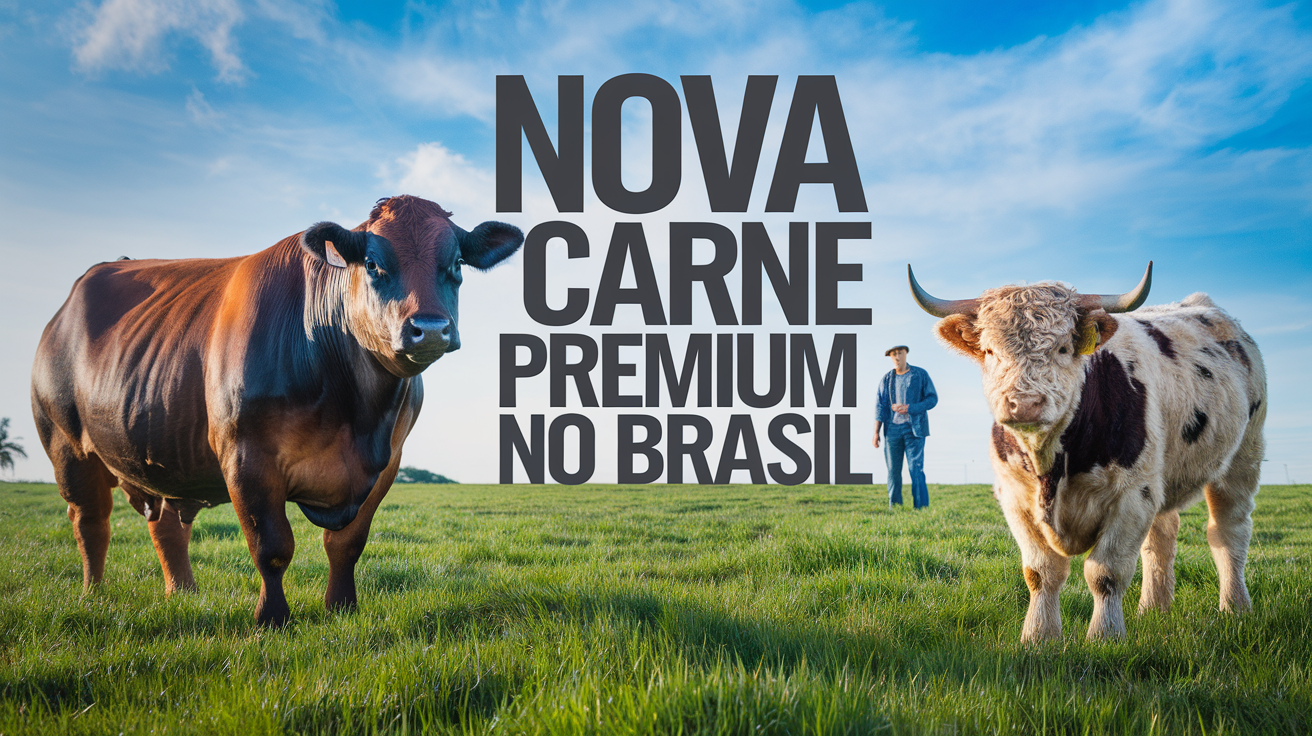
A Revolution In Cattle Ranching! The Crossbreeding Between Nelore And Galloway Is Transforming The Market, Offering Premium Beef With High Productive Efficiency. With Accelerated Weight Gain, Superior Marbling, And Climate Adaptation, This New Combination Promises To Change The Directions Of Brazilian Agriculture.
The Brazilian cattle ranching is undergoing a significant transformation with a new genetic crossbreeding that promises to unite resistance, meat quality, and feed efficiency.
Producers in the country are keen on the combination of Nelore and Galloway, breeds that together offer strategic advantages for the premium beef market. But what makes this union so promising?
The heterosis generated by this crossbreeding is attracting the attention of Brazilian breeders.
-
After nearly 30 bids and competition among industry giants, a Spanish company purchases one of the largest airports in Brazil for almost R$ 3 billion and takes over the management of Galeão in a concession that will last until 2039.

-
How the terraforming of Mars can transform the planet: artificial aerosols can increase the temperature by up to 35°C in 15 years, creating conditions for liquid water.

-
Rain gains strength in April, potentially exceeding 150 mm, placing the North, Northeast, and the coasts of the South and Southeast at the center of the heaviest forecast of the week.

-
Scientists drilled nearly 8,000 meters into the ocean floor above the fault that caused the 2011 tsunami in Japan and discovered that a layer of clay 130 million years old was responsible for making the wave much worse than any model had predicted.


The tradition of Nelore in intensive cattle ranching, combined with the meat quality of Galloway, creates animals that are more precocious, with high weight gain and greater market value.
According to the portal Compre Rural, experts explain that this crossbreeding can bring a new level of efficiency to national production.
The Strength Of Nelore And The Differentiation Of Galloway
Nelore is the backbone of national cattle ranching, known for its resistance to tropical climates and excellent feed conversion.
In the past 20 years, investments in nutrition, health, management, and genetics have resulted in significant advancements, allowing, for example, Nelore heifers to become pregnant at just 14 months, a milestone compared to the previous 24 months.
Galloway, on the other hand, is a British breed valued for its marbled, tender, and flavorful meat.
Adapted to cold climates, this bovine also stands out for its longevity and docility, making it an excellent option for improving meat quality and the productive efficiency of the Brazilian herd.
Additionally, Galloway has a unique characteristic: its dense, curly coat acts as a natural thermal insulator.
This means that the animal uses less energy to maintain its body temperature, which can result in even more efficient feed conversion.
This adaptation can be an important differentiator for breeders seeking to optimize herd performance under various climatic conditions.
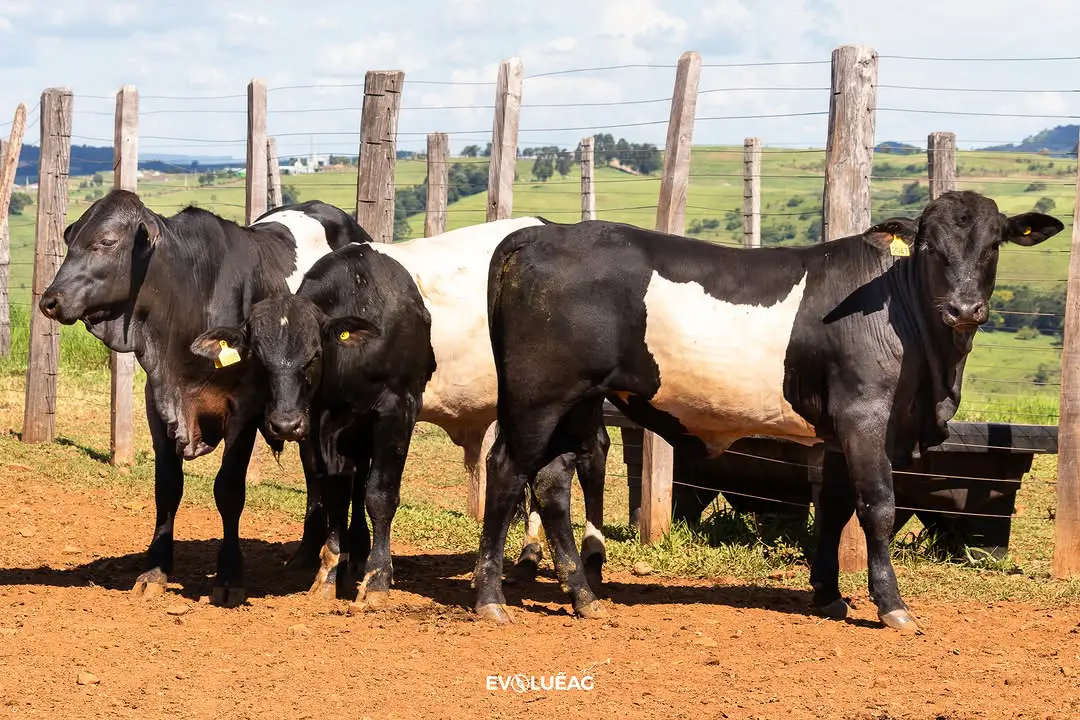
Benefits Of Crossbreeding For Premium Beef Production
The union of Nelore with Galloway has aroused great interest among cattle ranchers due to a series of advantages:
High-Quality Meat: Galloway is recognized for its high marbling, providing more tender and juicy meat, ideal for premium markets.
Climate Adaptation: While Nelore adapts well to heat, Galloway tolerates cooler temperatures, creating a versatile animal for different regions.
Feed Efficiency: Even with lower quality pastures, the crossbred offspring achieve excellent feed conversion, ensuring lower production costs.
Productive Longevity: Females from this crossbreeding tend to be more fertile and productive for longer, ensuring greater profitability for the breeder.
Better Carcass Yield: Studies indicate that the crossbreeding can result in a higher percentage of premium meat per animal, benefiting slaughterhouses and producers.
Ease Of Management: The more docile temperament of Galloway eases daily cattle handling, reducing stress and improving the final quality of the meat.
The Association That Strengthens Galloway In Brazil
To boost this new trend, Galloway breeders have formalized an organization that promises to expand the breed’s presence in Brazil.
On April 22, 2024, the Brazilian Association of Galloway Breeders (@abcgalloway) was founded.
The goal is to facilitate genealogical registration, promote research, and foster integration among cattle ranchers, consolidating Galloway as a viable option for premium beef.
Results At Fazenda Guabiju Confirm The Potential Of The Crossbreeding
At Fazenda Guabiju, located in the South of Brazil, the first batches of animals crossbred between Nelore and Galloway are already showing significant results:
- Accelerated weight gain compared to pure Nelore, optimizing finishing time.
- Better adaptation to extensive management, even in regions with lower quality pastures.
- Well-shaped carcasses and superior marbling, providing meat of higher added value.
- More docile temperament, facilitating daily management for the rancher.
- Higher yield of premium cuts, increasing the profitability of production.
- Reduced fattening time, decreasing feed and management costs.
The cattle ranchers in the region are already reaping the benefits of this productive model, emphasizing that the financial return is promising and that the demand for meat from this crossbreeding is expected to grow in the coming years.
Moreover, slaughterhouses specialized in premium beef have already shown interest in establishing partnerships to ensure the supply of this new category of product.
Given these results, experts indicate that the crossbreeding between Nelore and Galloway can represent a turning point in Brazilian cattle ranching.
The premium beef sector is in full expansion, with consumers becoming increasingly discerning regarding quality, tenderness, and sustainability of production.
With this new genetic approach, cattle ranchers have a unique opportunity to add value to their herds and capture a growing market.








-

-

2 pessoas reagiram a isso.