





 Portuguese
  English
  Spanish
  5 min of reading
  0 comments


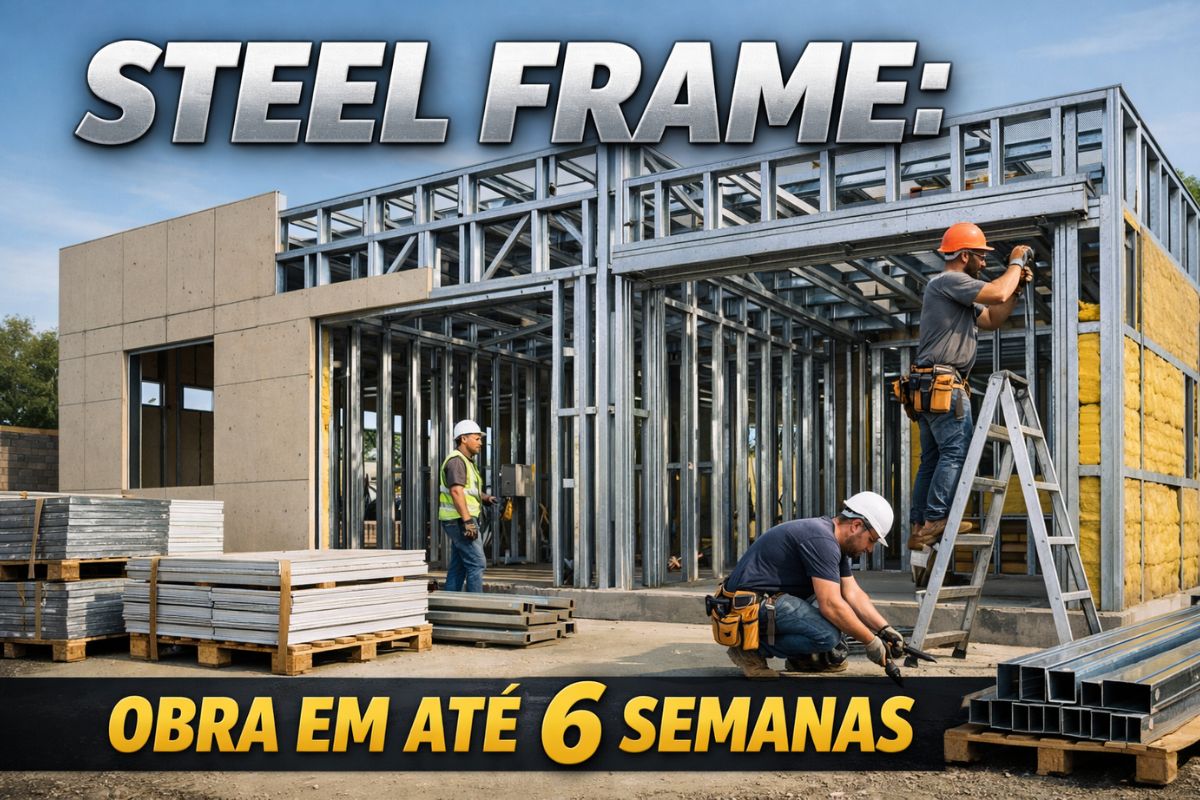
With Lightweight Galvanized Steel Profiles, the New Steel Frame House in Dry Construction Delivers Faster Work, Generates Less Waste, Comes in Giant Lego-Type Panels, and Shows How Steel Frame Shortens Deadlines, Reduces Mess, and Leaves the Neighbor Stuck with Traditional Brick in a Delayed Construction.
The search for faster, cleaner, and more predictable construction has gained a new symbol in Brazilian cities: the new steel frame house, which replaces brick and cement with lightweight galvanized steel structures manufactured to measure and assembled in just a few days directly on the plot. In this model, the house arrives almost ready, in identified panels, as if it were a giant Lego in real scale.
In practice, this change in system means that the new steel frame house is ready in just a few weeks, with less waste, fewer trucks of materials, and less improvisation on site, while the neighbor who insists on traditional masonry is still raising walls, waiting for concrete to cure, and dealing with delays, noise and headaches on the job site.
What is a New Steel Frame House and Why Does It Look Like a Giant Lego

The steel frame is a dry construction system that uses galvanized steel profiles instead of bricks.
-
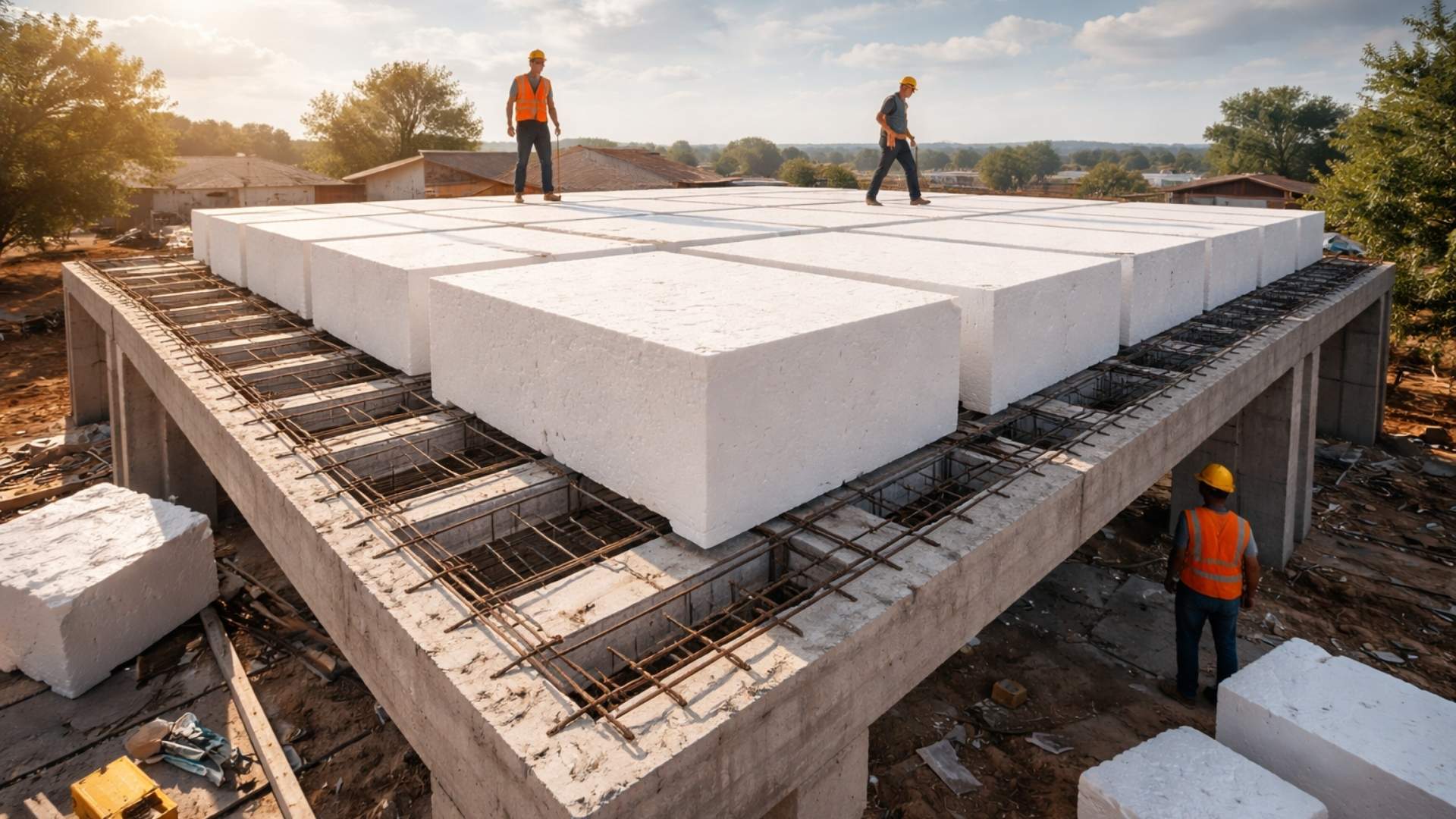
Forget concrete: architects are replacing tons of concrete with giant blocks of expanded polystyrene to build the roofs of houses and reduce structural weight by up to 50%, cut costs, improve thermal insulation, and speed up construction.
-
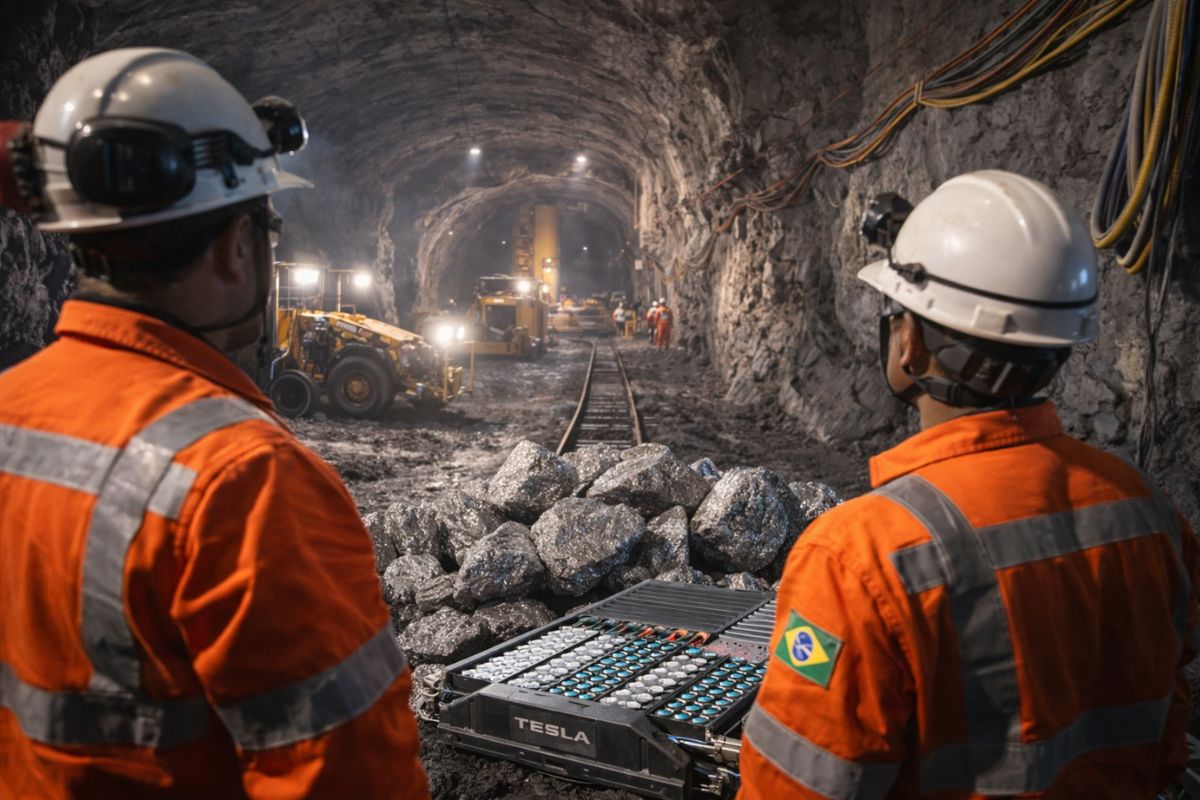
The Brazilian state enters the center of the global race for critical minerals by starting the construction of the largest underground nickel mine in Latin America, a mineral essential for electric car batteries that the entire world is competing for at this moment.
-
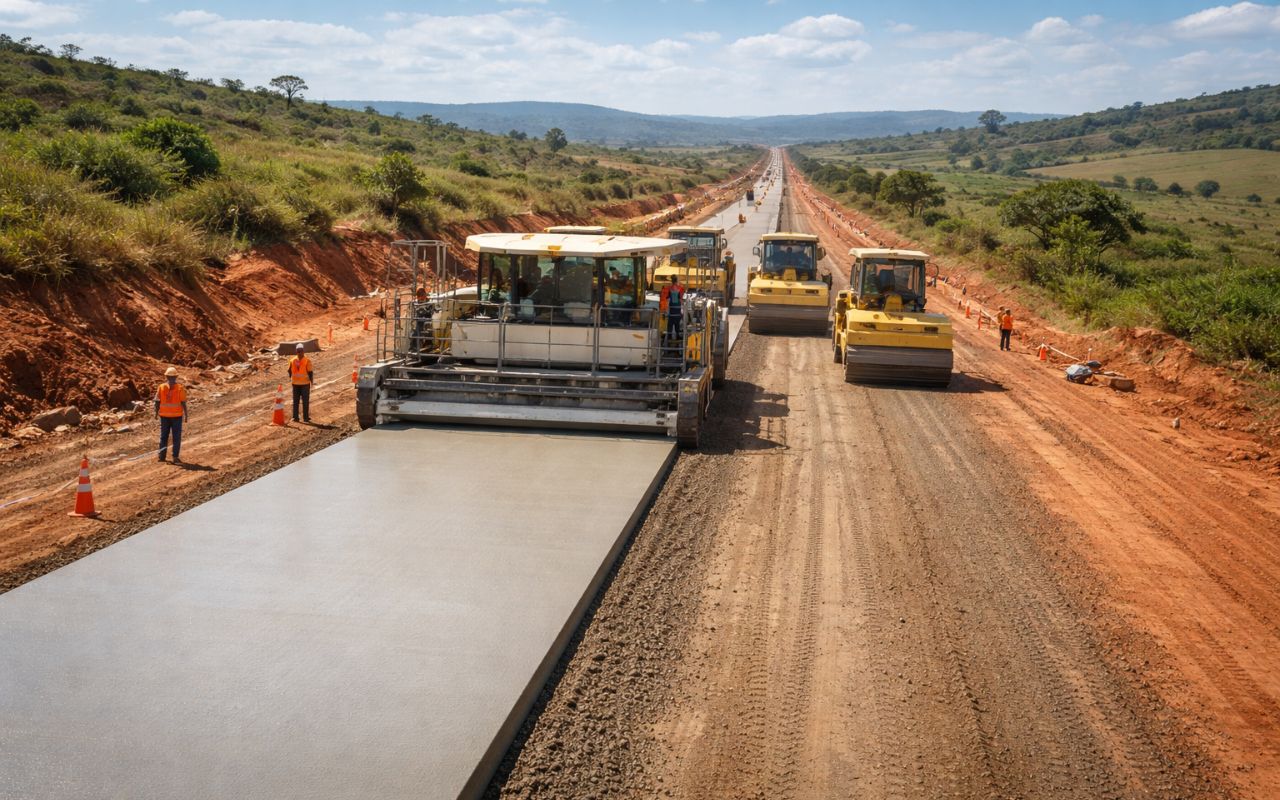
New CCR concrete paving technology promises roads up to 3x more durable, less maintenance, and cost reduction in Brazil.
-
Made from recycled plastic, plastic wood is gaining space in the construction industry because it does not rot, resists moisture, and reduces maintenance costs over the years.


These profiles form pre-fabricated panels, with exact measurements and identification on each piece, which then become walls, partitions, and the structure of the residence itself.
In a new steel frame house, these panels arrive from the factory already organized and labeled.
They are positioned on the foundation and screwed in, instead of being erected with a shovel, trowel, and cement.
The logic is exactly that of a Lego in real scale: each piece has a defined position, a planned fit, and a clear structural function, reducing improvisation throughout the execution.
Why Construction with Steel Frame Is Faster than Masonry
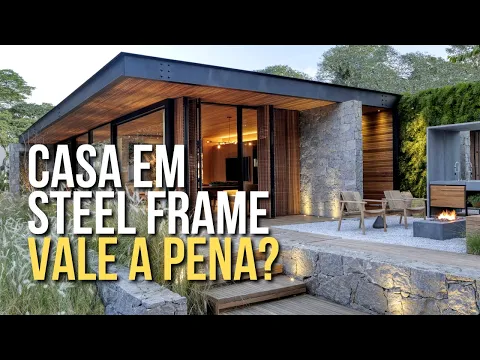

In an industrial environment, a house of about 170 square meters can have its structural panels assembled in approximately three days by a team of four people, with a projected completion time of around six weeks.
In conventional masonry, a similar-sized project can take nearly a year until final delivery, adding wet stages, curing times, and rework.
This time difference arises from the factory logic.
The steel profiles are cut to millimeter measurements, assembled into panels of about 9 to 14 centimeters thick, and sent to the construction site already ready.
As the structure of the new steel frame house weighs around 300 to 350 kilograms per square meter, the foundation can be simpler, generating significant savings, with cases where cost reduction approaches 40 thousand reais in certain projects.
Structural, Logistical, and Economic Advantages of the New Steel Frame House
The lightweight structure reduces concrete and steel consumption in the foundation, decreases excavations, and simplifies site preparation.
The walls are panelized, with vertical profiles and bracing sized to support wind and building loads, allowing for larger internal spans and better use of the useful area of the lot.
Logistically, the new steel frame house also changes the game. A complete residence can have its profiles transported in just a few trucks, with everything stacked compactly, without the mountain of blocks, sand, and cement typical of traditional construction.
As there are almost no materials exposed to the weather, the dependence on dry weather decreases, as does the volume of waste and costs with dumpsters and cleanup.
Embedded Installations, Less Breakage, and Myths That Fall in Practice
In conventional houses, making way for electrical and plumbing means breaking walls, raising dust, and generating waste.
In the new steel frame house, the installations pass through channels already foreseen within the panels, with holes and reserved spaces from the factory for conduits and pipes.
This dramatically reduces cuts and patches, keeps the work cleaner, and decreases rework.
Point reinforcements in the profiles allow for hanging cabinets, installing barbecues, planning niches, and treating wet areas with proper waterproofing.
In practice, these technical precautions demystify common doubts about furniture fixation, impact resistance, and use of bathrooms and kitchens in lightweight structures.
In day-to-day construction, the system translates into clear benefits:
Less Waste on Site
The passage of pipes occurs with minimal breakage, significantly reducing the generation of solid waste and the need for successive dumpsters.
Cleaner and More Organized Construction
There is less dust, leftover mortar, and scattered debris, leaving the new steel frame house with a safer site, easier circulation, and a lower risk of accidents.
Greater Quality Control
Parts produced in an industrial environment are standardized, traceable, and easier to inspect, improving the repeatability of results from project to project.
️ Execution with Less Dependence on Weather
As the system is predominantly dry, the construction can move forward even during rainy periods, without being completely blocked due to the need for dry weather for concrete and plaster.
Walls, Insulation, and Fire Behavior in the Steel Frame House
On facades, the closure of the new steel frame house is usually done with cement boards over waterproof membranes, which later receive base coat, paint, or other coverings.
Internally, the walls use plasterboards, common or specific for moisture and fire, with glass wool inside, ensuring thermal and acoustic performance up to three times superior to masonry, meeting the requirements of NBR 15575.
When properly specified, the system can withstand about 60 minutes of fire exposure, meeting project safety requirements.
In larger projects, such as residences around 400 square meters, it is common for the steel frame structure to be ready in approximately three months, from the ground to the roof, with a more predictable schedule than many brick constructions.
Steel Frame, Neighbor in Brick, and Choice for Those Who Don’t Want Headaches
While the new steel frame house progresses at an industrial pace, with numbered panels, a defined schedule, and little surprise on site, the neighbor who continues with traditional masonry is still dealing with piles of sand, bulk brick deliveries, exposed cement to rain, and deadlines that stretch with each patch.
In direct comparison, the lightweight structure replaces improvisation with planning and converts weeks of delays into weeks of anticipation.
For those considering construction, the decision involves more than just price per square meter.
It is essential to consider construction time, impact on the neighborhood, amount of waste, schedule predictability, and final comfort in terms of acoustics and temperature.
Based on these criteria, the new steel frame house emerges as a concrete alternative for those seeking quick, clean, and technical construction, without sacrificing performance.
In light of all this, if you were to start a construction project today, would you choose the new steel frame house assembled like Lego in a few weeks or the traditional brick and cement construction that could drag on for months?









-

-

-

3 pessoas reagiram a isso.