





 Portuguese
  English
  Spanish
  4 min of reading
  0 comments


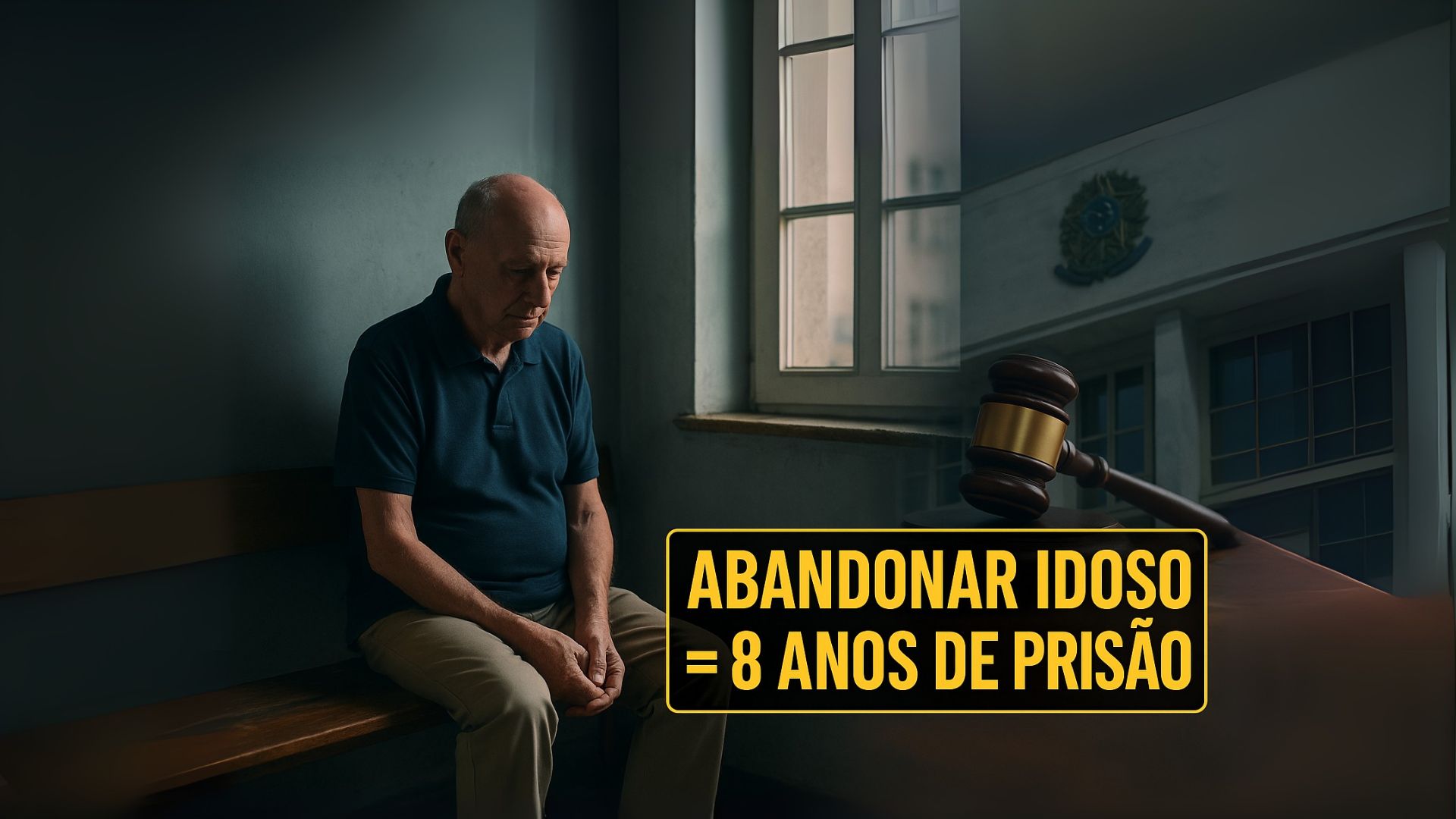
Proposal in the Chamber of Deputies Tightens Penalties for Abandonment and Mistreatment of the Elderly, Classifying These Actions as Heinous and Unbailable Crimes. The Text Awaits Analysis by the CCJC Before Moving to the Chamber’s Plenary.
The Chamber of Deputies is analyzing the PL 1676/2025, authored by Deputy Silvye Alves (União-GO), which classifies abandonment and mistreatment of elderly persons as heinous and unbailable crimes.
The text was approved by the Committee for the Defense of the Rights of the Elderly (Cidoso) on August 13 and has awaited analysis by the Committee on Constitution, Justice and Citizenship (CCJC) since August 19, an etapa that precedes the vote in the Plenary.

What Changes in the Penal Law
The proposal amends the Statute of the Elderly (Law 10.741/2003) and the Heinous Crimes Law (Law 8.072/1990) to include abandonment of the elderly and mistreatment among the most serious offenses.
-
The noise law will no longer be in effect at 10 PM starting in June with a new rule valid during the 2026 World Cup.

-
The Chamber opens a debate on driver’s licenses at 16 years old as part of a reform that includes around 270 proposals to change the Brazilian Traffic Code and may redesign rules for licensing, enforcement, and circulation in the country.

-
The new Civil Code could revolutionize marriages in Brazil with “express divorce” and changes that could exclude spouses from inheritance.

-
Banco do Brasil sues famous influencer for million-dollar debt and intensifies debate on delinquency, risks of seizure, and direct impact on Gkay’s credibility.


By declaring these two actions as unbailable, the project reinforces the prohibition of bail and subjects the cases to the stricter legal regime applicable to heinous crimes.
In the case of abandonment of an elderly person, the text establishes imprisonment of two to six years and a fine for those who desert elderly individuals in hospitals, health facilities, long-term care entities, or who, having a legal obligation, fail to provide for their basic needs.
The wording encompasses both abandonment in institutions and the failure to provide essential care by those who have a legal duty to assist.
Regarding mistreatment, the project creates a specific criminal offense for exposing an elderly person to degrading, humiliating conditions or physical, psychological, or moral suffering, through action or omission.
The penalty provided is three to eight years of imprisonment.
Furthermore, abandonment and mistreatment will explicitly be included in the list of heinous crimes under Law 8.072.
Aggravating Factors for Crimes Committed by Family Members
The text approved by Cidoso establishes an increase in penalty from half to double when the crime is committed by a descendant, ascendant, sibling, spouse, partner, or consanguineous or affinity relative up to the second degree.
The justification argues that the familial relationship imposes an increased duty of care and, therefore, requires a more rigorous penal response.
According to the report, the provision for aggravating circumstances seeks to reflect the reality of occurrences within the family environment, where violence and negligence tend to be “invisibilized” or treated leniently.
In this context, the rapporteur in Cidoso, Deputy Sanderson (PL-RS) defended the approval, believing that the measure “promotes greater rigor in accountability” and sends a “message of intolerance from the State” against such practices.
Procedures and Next Steps in the Chamber
The legislative procedure dictates that the project be analyzed by the CCJC regarding constitutionality and legislative technicality.
If a favorable opinion is issued, the matter proceeds to the Chamber’s Plenary.
Once the text is approved, the next step is the Federal Senate; only after agreement from both legislative Houses will the project go to presidential sanction.
According to the official procedural record, the presentation on April 14, 2025, the receipt by Cidoso on May 29, the appointment of the rapporteur on June 11, the approval of the report on August 13, and the submission to the CCJC on August 19, where the project awaits the appointment of a rapporteur, are noted.
Legal Effects and Limits of the Proposal
The classification as heinous produces direct effects both in the investigation phase and in penal execution, such as stricter rules for progressing regimes and differentiated timeframes.
Moreover, the unbailability prevents the granting of bail in the crimes defined by the project.
On the other hand, the PL operates exclusively in the penal sphere: it does not alter the structure of long-term care public policies nor modify the social assistance protection network.
The proposal focuses on accountability and the standardization of the legal response to behaviors that, according to the justification, still lack adequate penal treatment when occurring in the domestic sphere.
Context and Motivation of the Project
The Chamber’s Agency notes that the proposal responds to the increase in reports of violence, negligence, and abandonment against the elderly, with an emphasis on cases occurring within the home.
In the rapporteur’s assessment in Cidoso, the provision of clear criminal types and higher penalties tends to deter behaviors and signal institutional priority in addressing the problem.
The project author, Silvye Alves, argues that the aging of the Brazilian population and the recurrence of cases of mistreatment justify the update of the penal framework and the inclusion of the crimes in the list of heinous offenses.
In her view, criminals who take advantage of the vulnerability and dependence of elderly individuals cannot receive lenient legal treatment.
Debate on Efficacy and Prevention
Experts often point out that penal tightening, by itself, does not guarantee an immediate reduction in occurrences, especially when crimes occur in the family environment and face underreporting.
The processing of PL 1676/2025, therefore, takes place in a scenario that also requires professional training, oversight of institutions, and accessible reporting channels.
As Congress discusses legal changes, the effective monitoring of the text and its practical impacts will remain a matter of public interest.
With stricter criminalization and the prohibition of bail, the proposal is likely to alter the actions of police, the Public Ministry, and the Judiciary in these cases; but what measures, besides the increased penalties, should be prioritized to prevent violence against the elderly in the everyday lives of families and institutions?








-

-

-

-

-

-

28 pessoas reagiram a isso.