





 Portuguese
  English
  Spanish
  2 min of reading
  0 comments


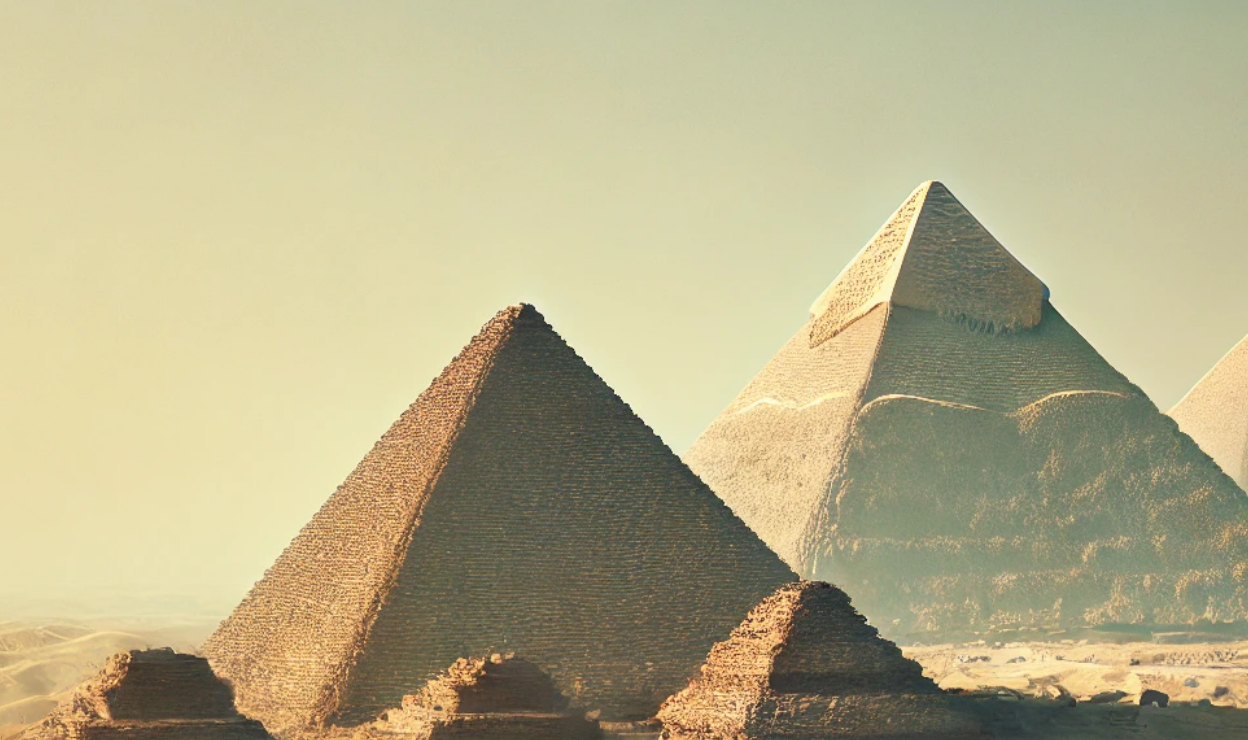
A New Space Discovery Suggests That Water Was Essential in the Construction of the Pyramids, Revealing an Ingenious Method Used by the Ancient Egyptians to Move Massive Blocks.
A new discovery made by an archaeologist may finally clarify one of the greatest mysteries of ancient history: how the pyramids of Egypt were built.
The key to this answer may lie in an ancient arm of the Nile River, now dry, which passing by Giza could have been used to transport the materials needed to construct the gigantic structures.
The study revealed was conducted by Dr. Eman Ghoneim, who used radar satellite data to map what he calls the “invisible world” beneath the Nile Valley.
-
How to build a floating island from scratch with reeds, giant blocks, and stakes in the lake in a process that needs to be repeated almost every day.

-
A forgotten cord on the floor of a basement in Vienna leads a plumber to a box containing 30 kilograms of gold with Mozart’s face, hidden before World War II. The treasure, worth 2.3 million euros, was just centimeters away from a worker who ignored the sign a day earlier.

-
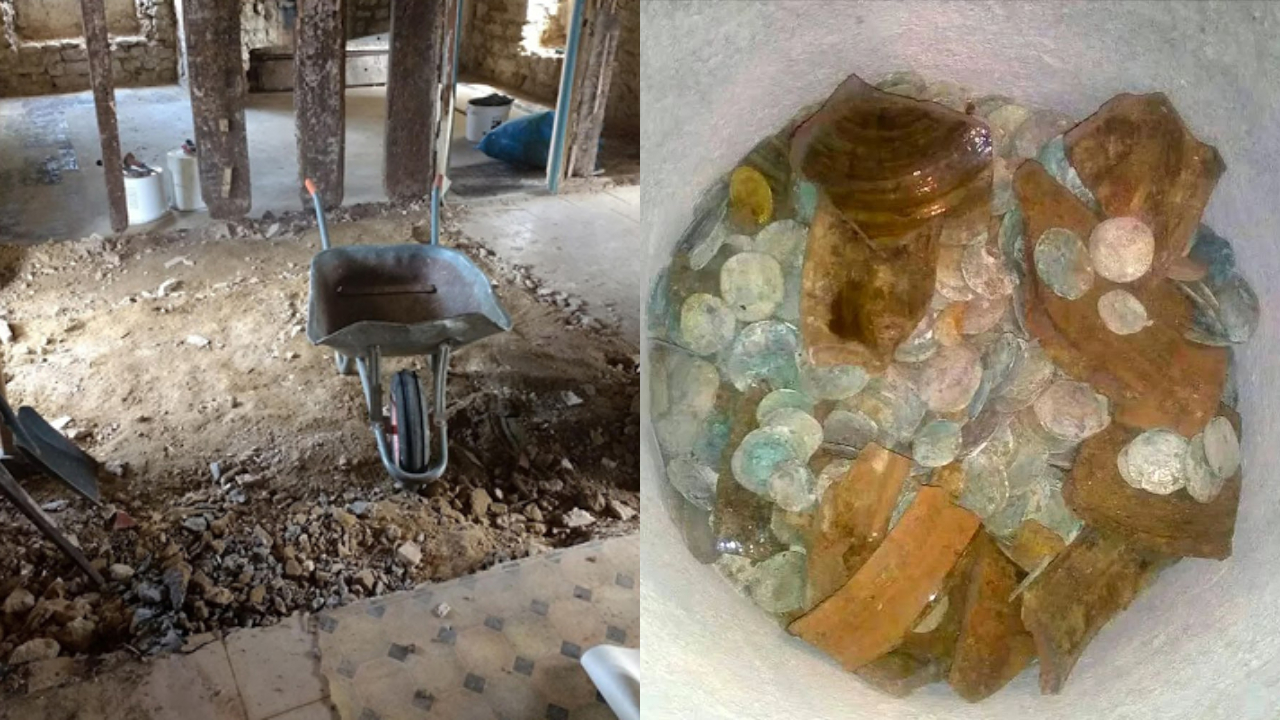
A couple buys an old chalet, breaks the kitchen floor for renovation, and finds over a thousand coins of gold and silver hidden since the English Civil War over 4 centuries ago.
-
Rigid bags with their days numbered: new trend prioritizes comfort in 2026.


His findings suggest that the river arm, nicknamed Ramal Ahramat, had impressive dimensions. Ghoneim stated that in some areas the width of the watercourse could exceed 500 meters, a measurement equivalent to the width of the Nile itself today.
This extinct arm of the Nile not only passed through Giza but also extended to Faiyum, and surprisingly crossed 38 sites where pyramids were built.
This raises an intriguing question: was the water from this course used to transport the heavy stone blocks to the pyramids’ construction sites?
An Important Clue
Although the research has not yet managed to confirm whether the river was active during the periods of pyramid construction, around 4,700 years ago, Ghoneim points to an important clue.
The pyramids are located exactly on the banks of the ancient Ramal of the Nile, suggesting that these structures could function as “valley temples,” akin to ancient ports for the transport of materials.
Besides bringing new theories about the pyramids, the discovery also opens doors to better understand the ancient Egyptian civilization. As the branches of the Nile changed over time, many cities and towns disappeared, and their locations were lost.
According to Ghoneim, as ancient cities were buried when the rivers changed course, the research may help uncover these forgotten sites.
This discovery not only challenges previous theories about the construction of the pyramids, but also illuminates a part of Ancient Egypt’s history that has remained hidden for centuries. The answer to how these monumental structures were raised may be closer than we imagined.








-

-

-

7 pessoas reagiram a isso.