





 Portuguese
  English
  Spanish
 3 min of reading
  0 comments



Environmental License Obtained in 2025, Exploration Expectations in the Equatorial Margin and Public Investments Already Cause Economic, Real Estate, and Social Impacts in the Far North of the Country
A large-scale economic change has started to take shape in Northern Brazil. Since October 2025, when Petrobras obtained environmental authorization from Ibama, the Brazilian Equatorial Margin has taken on a strategic position in the oil sector.
The license authorized the start of the research phase in block FZA-M-59. The area is located about 500 kilometers from the mouth of the Amazon River and approximately 175 kilometers from the coast of Amapá, within the maritime strip that extends from Oiapoque to the coast of Rio Grande do Norte.
Economic Projections Place Amapá in the Spotlight
This advancement fueled projections of significant growth. Studies released in 2025 by the National Confederation of Industry indicate that exploration in the Equatorial Margin could generate a rise of up to 61.2% in Amapá’s GDP if the project advances as planned.
-
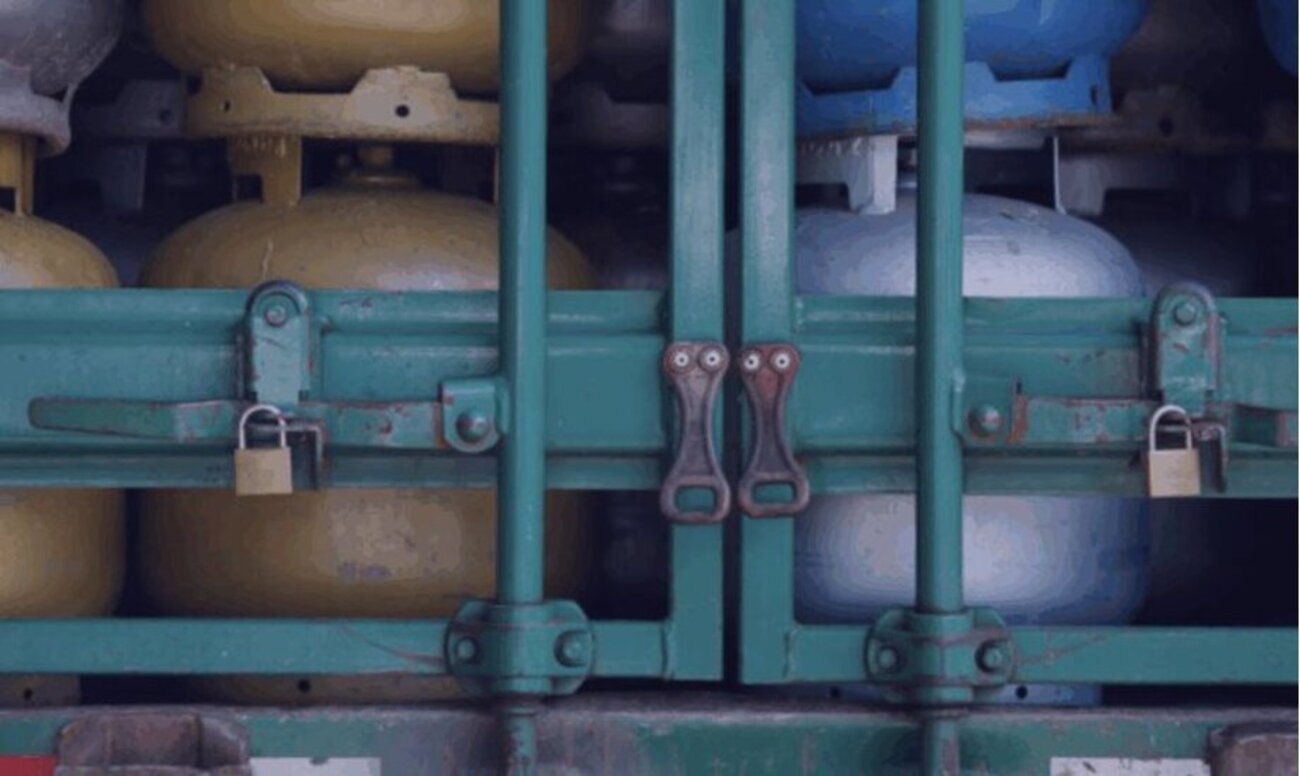
Petrobras evaluates suspension of sales to distributors and considers canceling the cooking gas auction following guidelines from the Federal Government.
-
Lula reveals a masterstroke by Petrobras to undo a deal made by Bolsonaro, which involves the return of an important refinery that currently produces less than half of what was expected and makes Brazil dependent on international diesel.
-
A study confirms that the natural gas sector will reduce greenhouse gas emissions in Brazil by 0.5% and accelerate the energy transition by 2026.

-
Petrobras implements a severe adjustment and confirms a 55% increase in the price of aviation kerosene with a proposal for installment payments for the companies.


The royalties expectation reinforces this scenario. For comparison, in 2025, the municipality of Maricá, in Rio de Janeiro, received about R$ 2.6 billion in royalties from Petrobras’ production, highlighting the potential for fiscal transformation associated with oil activities.
Technical Halt in 2026 Does Not Change Expectations
At the beginning of January 2026, Petrobras temporarily suspended drilling activities at the Morpho well. The company took this measure after identifying a drilling fluid leak classified as biodegradable and low toxicity.
According to the state-owned company, the leak was fully contained. Petrobras anticipated resuming activities 15 days after January 4, 2026, keeping the technical schedule within the defined environmental parameters.
Oiapoque Concentrates Direct Impacts from Oil Expectations
Even with the operational pause, the expectation of commercial viability is already producing concrete effects. Oiapoque, being closer to the licensed area, has begun to concentrate the main economic and social transformations.
Reports from CNN and BBC indicate that residents who had left the region have begun to return. Additionally, foreigners have shown interest in settling in the state, attracted by the possibility of indirect participation in oil royalties.
Jobs, Revenue, and Pressure on the Real Estate Market
Projections indicate the creation of more than 490,000 formal jobs, both direct and indirect. The job openings are expected to be distributed among Oiapoque, Calçoene, Amapá, Macapá, Itaubal, and Santana, in addition to generating tens of billions of reais in indirect revenue.
At the same time, the real estate sector responded quickly. Neighborhoods such as Belo Monte, Nova Conquista, and Independência began to register strong speculation, with constructions emerging without proper urban planning and immediate pressure on rents.
Long-time residents report abrupt increases in prices, which affects families dependent on cross-border trade, fishing, and subsistence agriculture.
Public Investments Aim to Organize Development
In light of this scenario, in 2025, the Ministry of Integration and Regional Development announced a partnership with Petrobras worth R$ 634.1 million. The agreement aims to provide workforce training, strengthen productive chains, and create the Equatorial Margin Institute.
The resources will be directed towards the Bioeconomy Route, the Açaí Route, and the Biodiversity Route. According to the ministry, the strategy aims to allow Amapá not only to explore oil but to lead a new stage of Amazonian development.
Guyana’s Experience Serves as a Regional Reference
The recent trajectory of Guyana, which collected over R$ 4 billion in royalties in 2024 alone following discoveries made throughout the 2010s, has begun to guide assessments in Brazil.
Based on this history, authorities assess that Amapá could follow a similar path, if the exploration advances in a structured manner. The challenge now involves balancing economic growth, urban organization, and environmental protection to ensure that the oil boom generates lasting development.










-

-

-

3 pessoas reagiram a isso.