





 Portuguese
  English
  Spanish
  3 min of reading
  0 comments


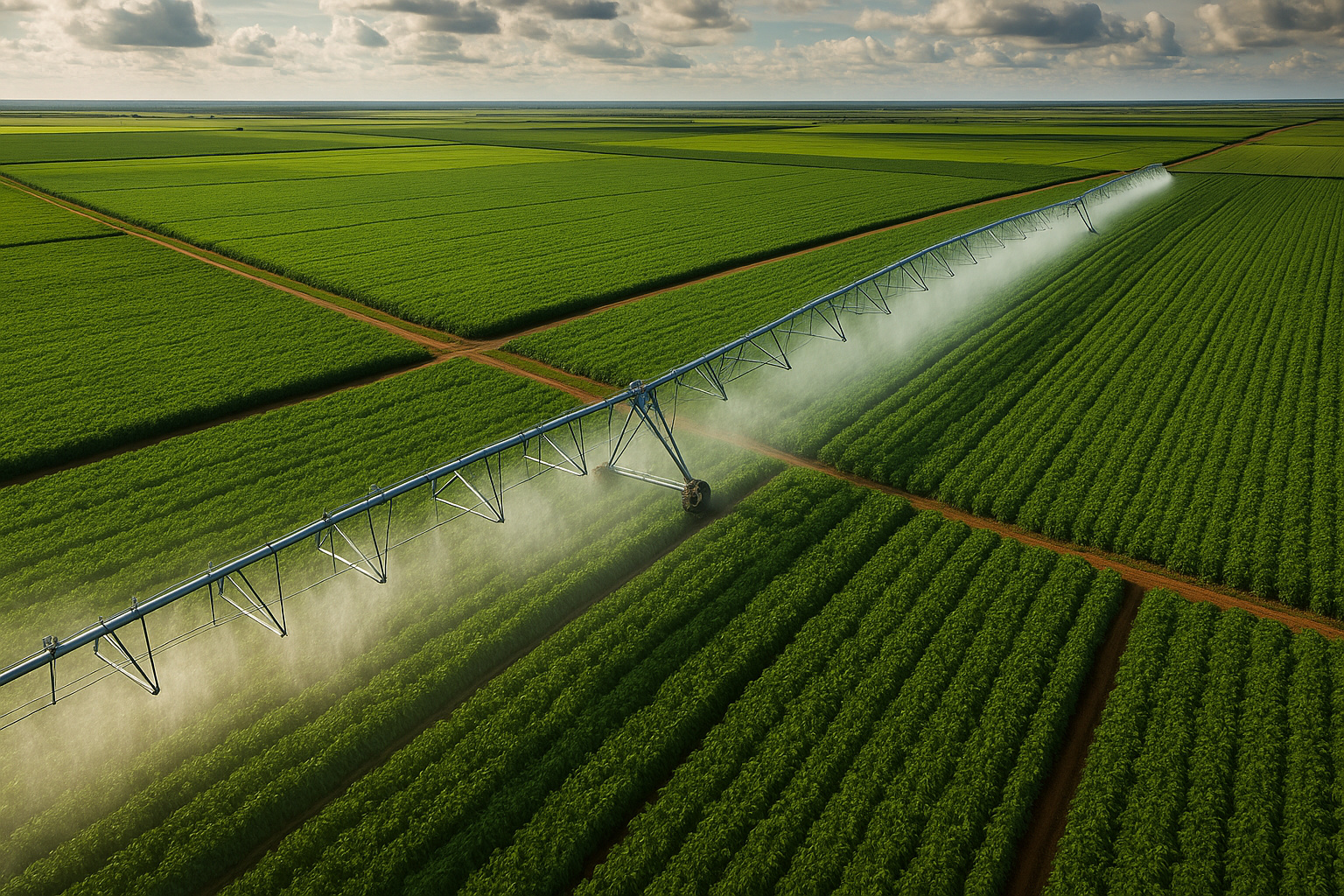
Billion-Dollar Project In West Bahia Promises To Revolutionize Agriculture, Generate Jobs, And Change Brazil’s Economy. See What Is Coming.
Billion, Irrigation, And A New Agricultural Frontier
A new era in the Brazilian agribusiness gained momentum this week when ACP Bioenergia confirmed an investment of R$ 1.1 billion to develop a mega agricultural project in Baixio de Irecê, in West Bahia.
The company, a national reference in grain and sugarcane production, will start irrigated operations between Xique-Xique and Itaguaçu da Bahia in October 2026, boosting the local economy and positioning the region as the so-called New Eldorado of the sector in Brazil.
The project will receive advanced irrigation systems and large-scale farming, meeting the favorable conditions of soil, light, and water. The initiative arises to respond to the strong movement of investments in the Brazilian semi-arid region, which is now emerging as one of the country’s largest hubs for irrigated agriculture.
-
While Russia dominates the global wheat market, Brazil emerges as an unexpected competitor in the Cerrado, offering grain available in July and August when stocks in the Northern Hemisphere are at their lowest point of the year.

-
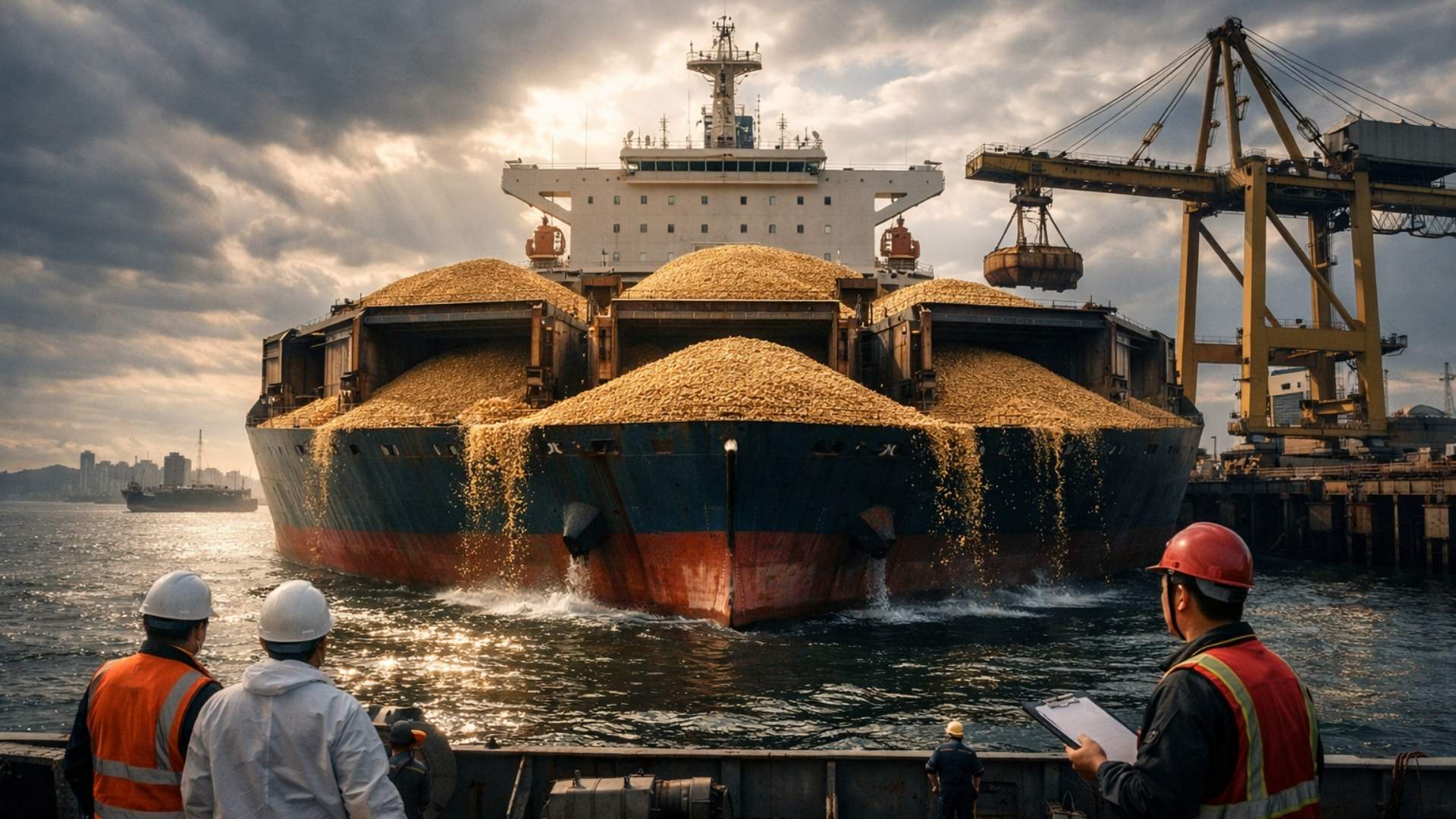
China returned almost 20 Brazilian ships with soybeans, but now everything could change: the country that buys 80% of the grain is considering relaxing regulations after impurities held up shipments of thousands of tons and caused million-dollar losses.
-
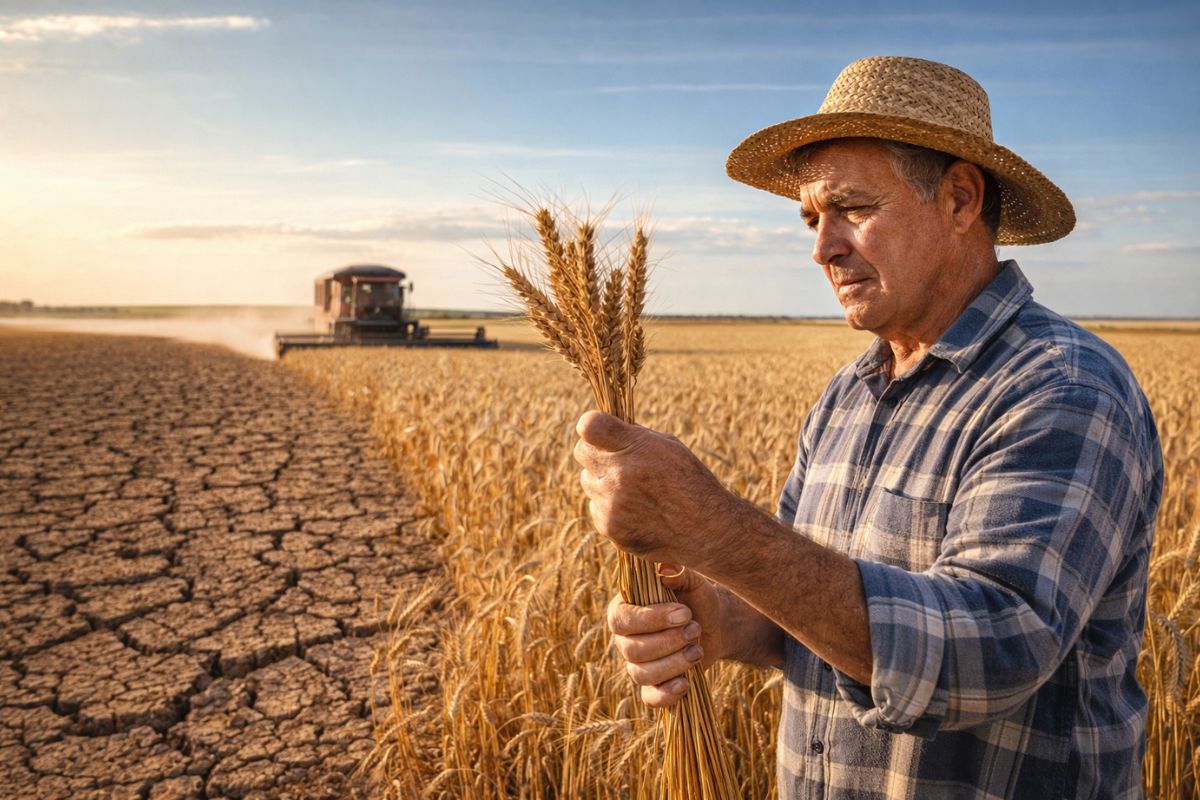
The drought of the cerrado was considered an enemy of wheat, but Brazilian scientists turned the lack of rain into a competitive advantage by creating a grain with quality that is already attracting the attention of international mills around the world.
-
THE OWNER of Brazil: a farmer who came from laundries, created an ’empire’ and today runs a company valued at R$ 42 billion after tripling its value in less than a year and receiving a billion-dollar investment from the USA.


Additionally, the arrival of such a large group reinforces the advancement of water infrastructure and rural concessions, indicating why this area has become attractive for large agribusiness companies.
Mega Investment In Baixio De Irecê Accelerates Agribusiness
The ACP Bioenergia, based in Ribeirão Preto (SP), decided to invest in Baixio de Irecê to expand its operations and increase its market share in the national agricultural sector. With 15,000 fully irrigated hectares, the project will integrate the largest irrigated perimeter in Latin America.
Furthermore, the company plans strong productivity: 100 sacks of soybeans, 200 of corn, and 380 arrobas of cotton per hectare. Full irrigation will ensure stability even in adverse climate scenarios—a strategic advantage in a sector increasingly affected by global climate fluctuations.
New Eldorado Of Agribusiness Boosts Regional Economy
Under the leadership of Alexandre Candido, the company will increase its national presence, which already includes more than 220,000 leased hectares in several states. In 2024, ACP recorded net revenue of R$ 731 million and EBITDA of R$ 512 million.
Thus, the investment in Bahia reinforces its diversification strategy and consolidates its irrigated production model. Additionally, the partnership with Germina Baixio will allow for the acceleration of project stages and generate direct and indirect jobs, stimulating the regional economy.
Infrastructure Transforms The Semi-Arid Into Agricultural Power
The Baixio de Irecê, managed by Codevasf, has 105,000 hectares, with 48,000 being irrigable. The Federal Government has already allocated R$ 555 million for water infrastructure, including channels and energy.
As a result, the Gross Value Of Production locally jumped from R$ 400,000 in 2022 to R$ 9.4 million in 2023. Additionally, crops such as beans, squash, and bananas are enhancing productive diversity.
Challenges: Logistics, Sustainability, And Qualification
Even with enormous potential, the project will require solutions for challenges such as:
- transport and storage logistics
- water and energy management
- technical training of the workforce
- volatility of agricultural prices
Still, experts point out that the model could inspire new irrigated fronts in the semi-arid regions, expanding the strategic role of the region for Brazil’s agribusiness.
Conclusion: A Model For The Future
The consolidation of the New Eldorado of irrigated agriculture strengthens the attractiveness of West Bahia and opens space for new investments in the field. Thus, Baixio de Irecê affirms itself as a landmark in sustainable rural development, reinforcing the prominence of agribusiness in the Brazilian economy.









Seja o primeiro a reagir!