





 Português
  Inglês
  Espanhol
 4 min de leitura
  0 comentários


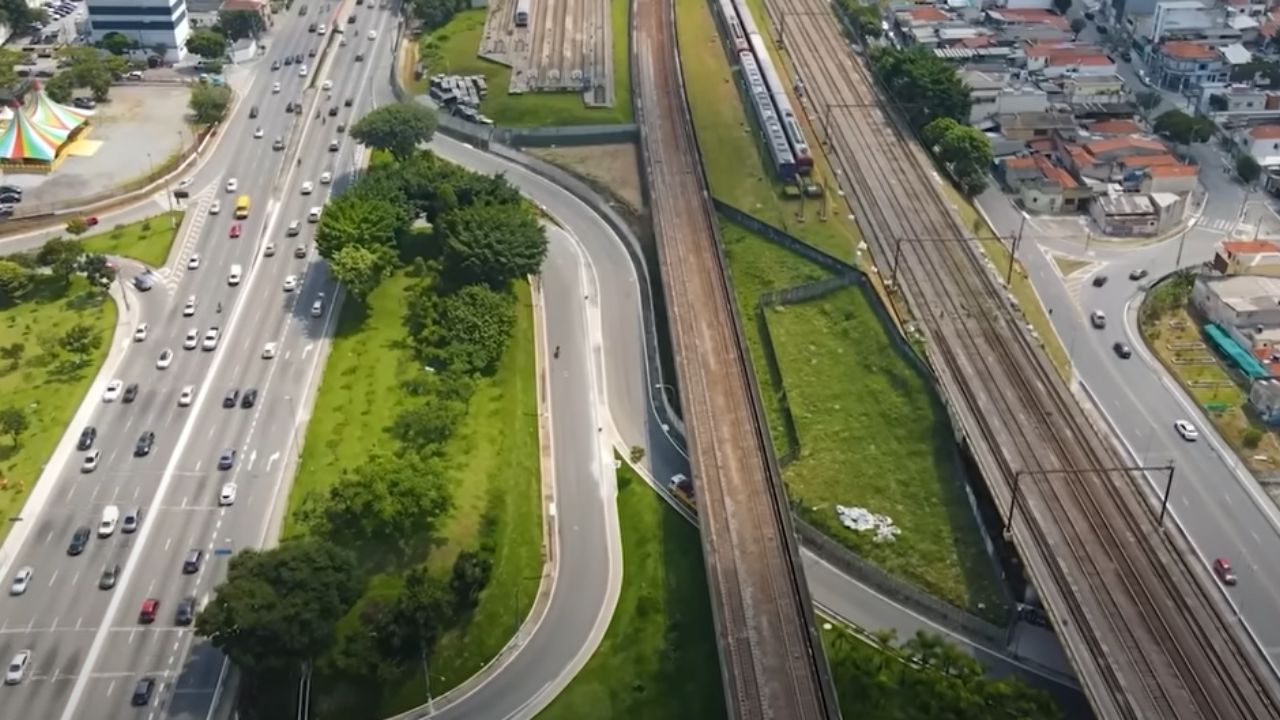
Project Will Transform the Former CPTM Station into One of the Largest Mobility Hubs in Latin America
With works planned in three phases, the Água Branca station in São Paulo will integrate six railway lines and two regional trains, enhancing urban and intercity mobility with a focus on intermodality and urban development.
Water Branca Station Project Aims for Integration with Metro, Trains, and the Interior
The city of São Paulo is preparing for one of the largest investments in urban mobility in recent years. The Água Branca station, located in the west zone of the capital, will be completely revitalized and transformed into a railway hub with connections between the metro, urban trains, and regional lines. With an investment of R$ 1.3 billion, the intervention aims to integrate six lines and two intercity trains, making the station a new strategic public transport center in the city.
According to the Construction Time portal, the work will be divided into three phases. The first is expected to be completed in 2026 and will connect the 6-Laranja Line of the metro to the current 7-Rubi Line of the CPTM. This connection will create a new route between the northern zone and the city center, reducing the journey time from about 1 hour and 30 minutes to just 23 minutes. The second phase will include the arrival of the Intercity Train (TIC) North Axis, which will connect São Paulo to Campinas, as well as integration with the 8-Diamante and 9-Esmeralda Lines of the CPTM. The third phase aims to connect with the 3-Vermelha Line of the metro and the TIC West Axis, which will serve the city of Sorocaba.
-
A megaproject worth R$ 89 billion is advancing in Iraq and promises to change the game in global trade by creating a new corridor between Asia and Europe, reducing traditional routes and repositioning the country as a logistics powerhouse.

-
Goodbye bedside table: floating shelves become a trend in 2026 by freeing up space in the bedroom, improving circulation, bringing visual lightness, and integrating technology without taking up floor space.

-
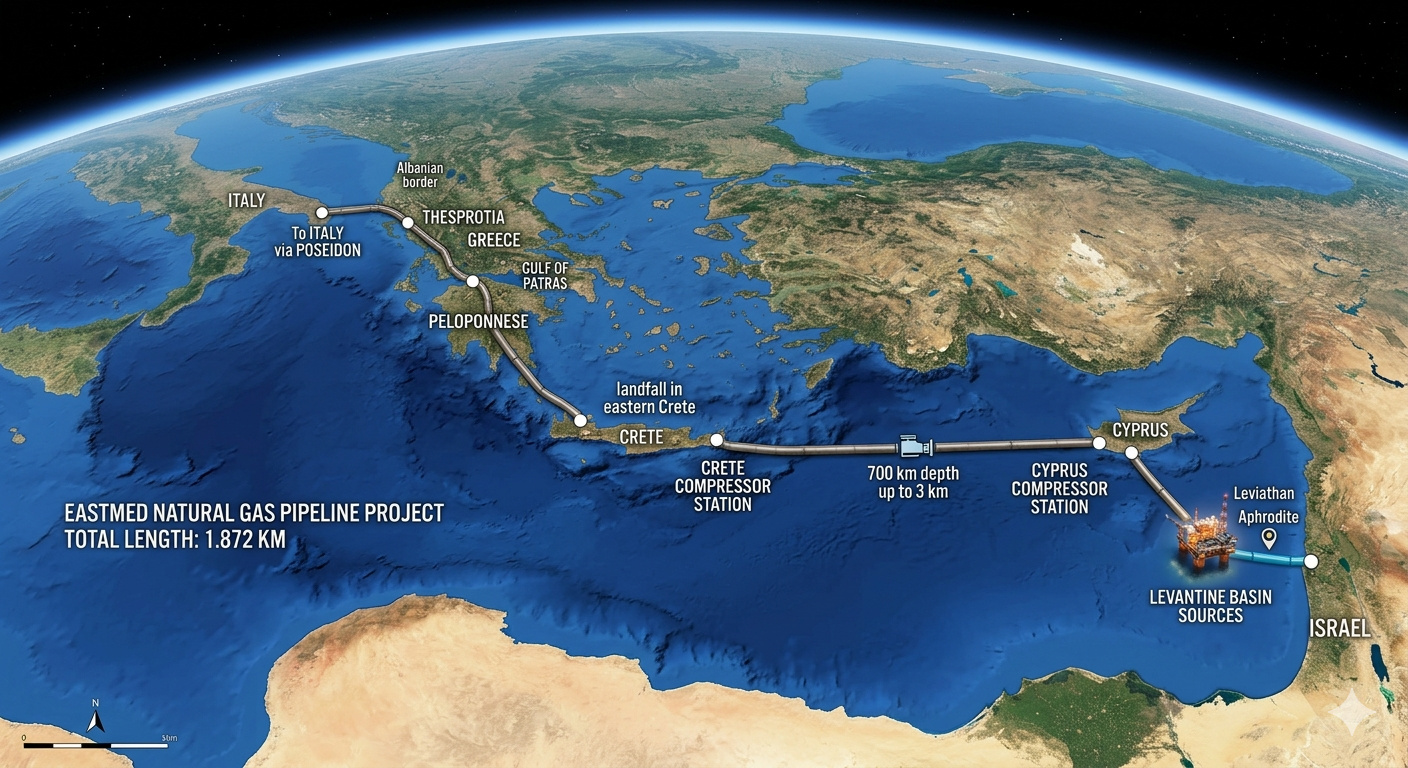
Israel, Greece, and Cyprus signed an agreement in 2020 to transport gas from the Mediterranean to Europe via a 1,872 km pipeline, but Turkey claimed sovereignty over part of the maritime route, and the project never materialized.
-
Israel, Greece, and Cyprus signed an agreement in 2020 to transport gas from the Mediterranean to Europe via a 1,872 km pipeline, but Turkey claimed sovereignty over part of the maritime route, and the project never materialized.

Água Branca as a New Axis of Urban and Regional Mobility
The Água Branca station, currently limited to the 7-Rubi Line, occupies a strategic area of the city — close to major avenues such as Francisco Matarazzo and Marquês de São Vicente. However, its structure is considered undersized for the current and future passenger flow. The station, inaugurated in 1867, has never undergone a major renovation and will now be elevated to a new level of connectivity and infrastructure, according to the CPTM portal.
With the expansion, the station will gain modern platforms, advanced signaling, and will be prepared to accommodate both urban and regional trains. The change of terminal for the TIC, which was previously set to arrive at Palmeiras-Barra Funda station and will now be redirected to Água Branca, was strategic: the location offers greater expansion space, better integration potential, and proximity to areas of urban and real estate growth.
Água Branca Station Will Connect Capital, Interior, and New Opportunities
With the future integration, the new Água Branca station will directly connect:
- 6-Laranja Line of the Metro
- 7-Rubi Line of the CPTM
- 8-Diamante Line of the CPTM
- 9-Esmeralda Line of the CPTM
- 3-Vermelha Line of the Metro
- North Intercity Train (São Paulo–Campinas)
- West Intercity Train (São Paulo–Sorocaba)
This multimodal connection places the station at a new level, akin to major urban centers like London, Paris, and Tokyo. According to Exame, this type of structure allows for the redistribution of passenger flow from the capital and creates connection hubs outside the expanded center, such as Luz and Sé — which currently operate with high demand. The project also includes the realignment of the 8 Line between Lapa and Barra Funda to avoid overloading the system.
Urban Enhancement and New Centrality in São Paulo
The expansion of the Água Branca station goes beyond mobility: it will boost urban development in the west zone. Neighborhoods such as Perdizes, Barra Funda, and Lapa are already attracting investor interest, and the arrival of intercity trains is expected to further accelerate the appreciation of the region. With the new terminal, the government of the State of São Paulo hopes to create an axis of economic growth, generating direct and indirect jobs in construction, services, and commerce.
The expectation is that, with the infrastructure in place, the new railway hub will ease the lives of thousands of Paulistanos and residents of the interior, promoting faster, safer, and more sustainable travel. By decentralizing connection points, the city moves towards more intelligent mobility, integrating people, opportunities, and regions.








Seja o primeiro a reagir!