





 English
  Francês
  Alemão
  Italiano
  Japonês
  Norueguês
  Portuguese
  Spanish
  3 min of reading
  0 comments


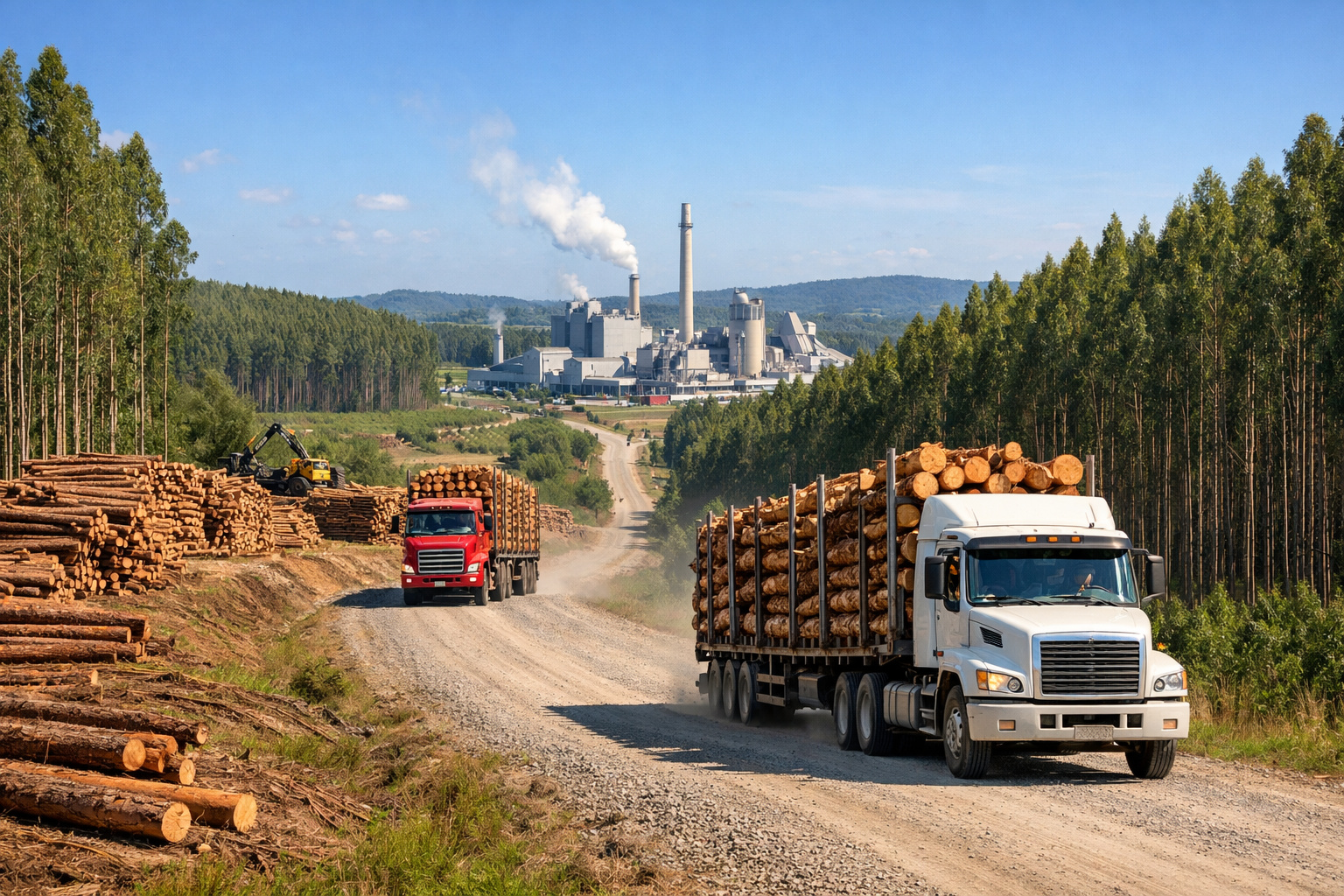
With an Investment of US$ 800 Million, Unit Should Produce 144,000 Tons Annually Aimed at Export and Reinforces Uruguay’s Strategic Role in the Pulp Industry
A new billion-dollar factory is about to transform the industrial landscape of one of Brazil’s main neighbors. The company Amberplan Uruguay has officially moved forward with the project to build the country’s fourth pulp factory, with an estimated investment of US$ 800 million (R$ 4.1 billion). The venture, besides being robust, promises to have a direct impact on the regional economy.
The information was disclosed by “Forbes Uruguay,” which detailed the amounts involved and the job projections related to the project.
In addition to the significant funding, the plan foresees the creation of 700 new jobs during the operational phase. Thus, the announcement represents not just industrial expansion, but also a concrete opportunity for strengthening the labor market in Uruguay.
-
Historic bankruptcy of Centauro shocks the market, and the century-old company puts more than 500,000 products, machines, and complete infrastructure up for online auction.

-
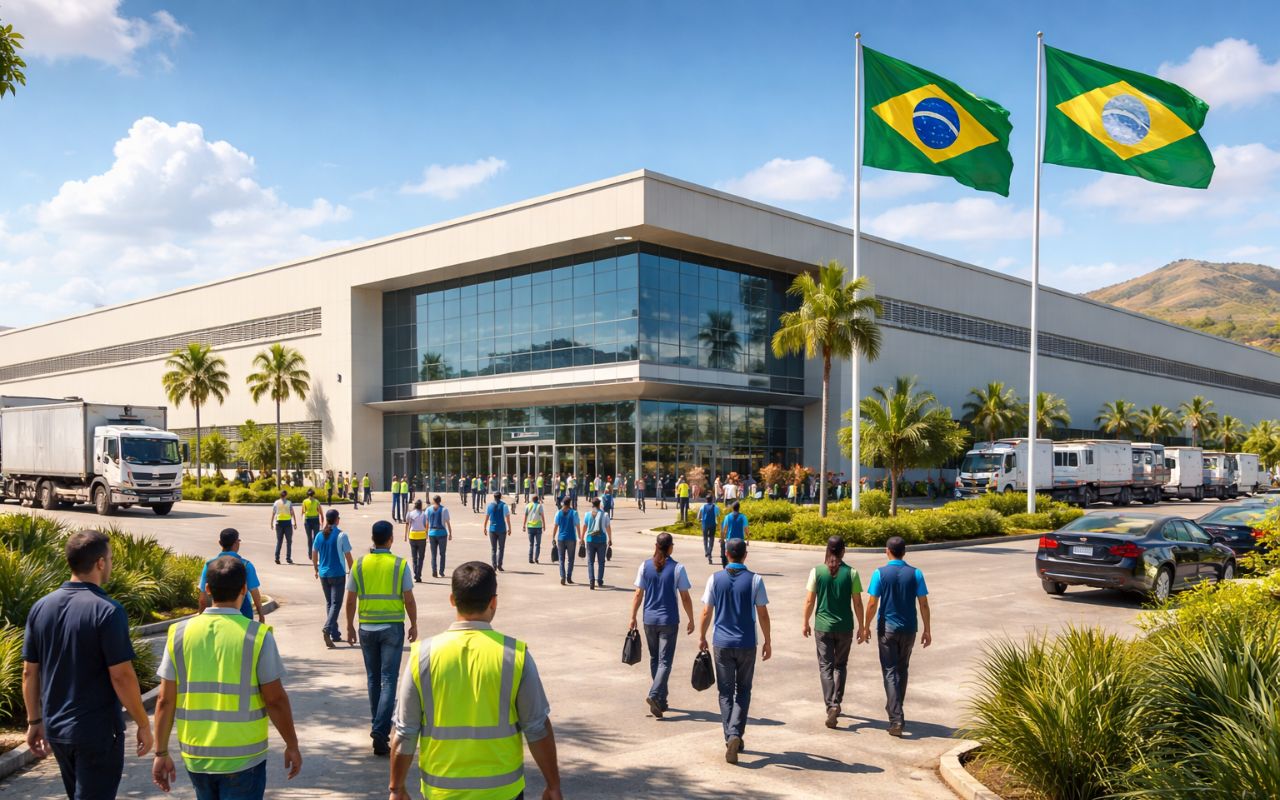
New shoe factory in Ceará is expected to create 400 jobs and strengthen the local economy.
-
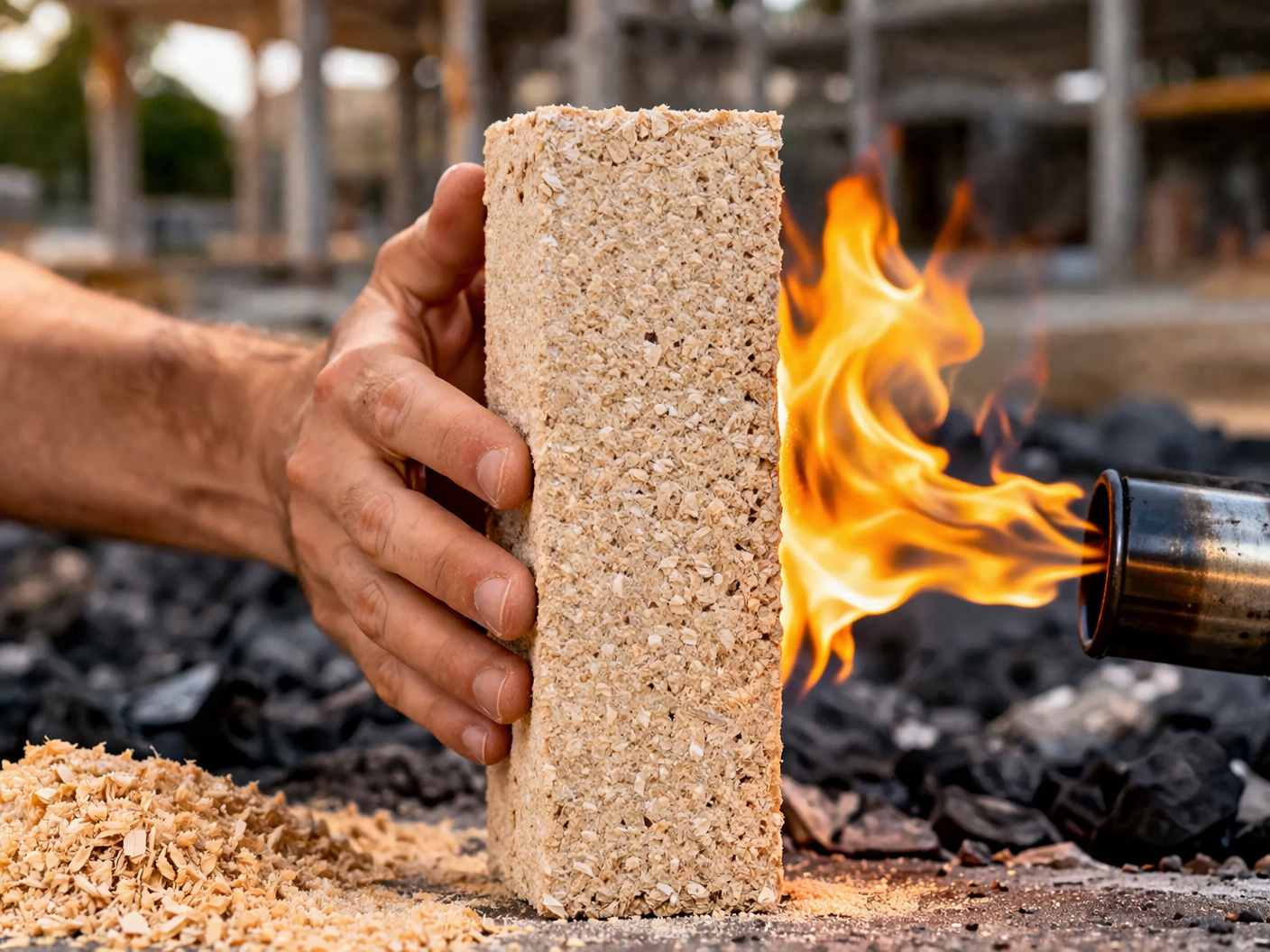
No one imagined it, but a mixture of sawdust with a mineral that fights fires surprises scientists with a result that changes the course of fire-resistant construction.
-
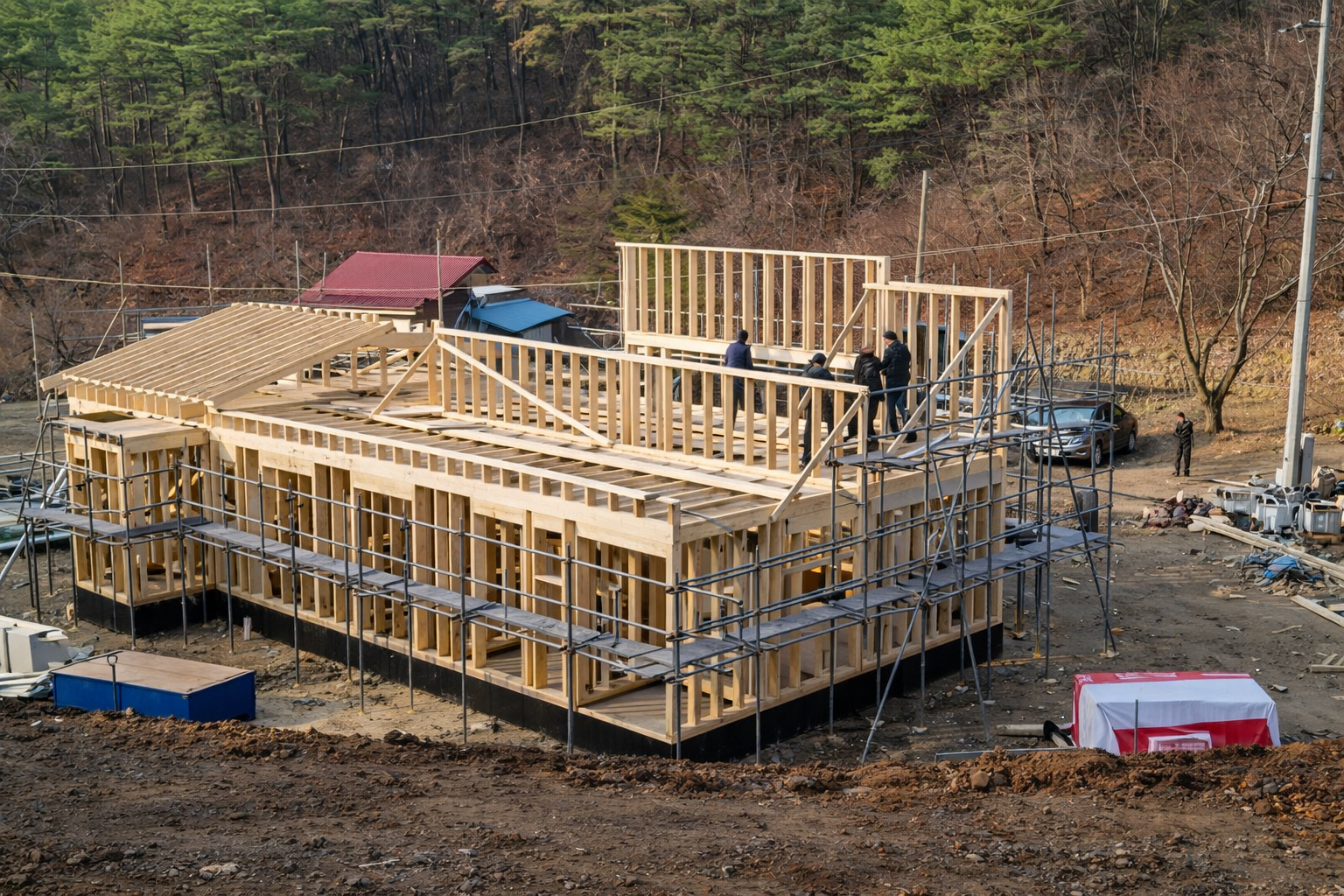
From empty land to a high-end house, wooden construction uses a lightweight system, metal structure for the foundation, ventilated ceramic cladding, and special windows to create an efficient and comfortable living space throughout the year.

Annual Production of 144,000 Tons and Focus on Export
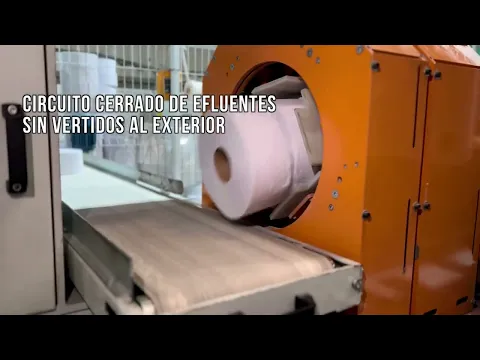

The project aims for an annual production of 144,000 tons of toilet paper, with a strategic focus on international markets. Thus, the new factory will not only serve the domestic consumption but will also expand the Uruguayan presence in foreign trade.
Although the exact location is still being determined, everything indicates that the unit will be installed in the central region of Uruguay. This choice, however, is not random. It considers three decisive factors: access to forest raw materials, availability of water, and proximity to Argentina, one of the main markets in the sector.
Additionally, the production model will follow a format already implemented by the company in Montevideo. The proposal involves processing cellulose in liquid form, without drying or pressing stages. This system allows for greater operational efficiency and reduced logistics costs.
Currently, the company already produces in Montevideo items such as toilet paper, paper towels, and napkins. Therefore, the new unit will expand the already consolidated productive capacity.
International Financing and Coordination with the Government
Alongside the location determination, the group is working on structuring the international financing of the project. In this sense, it maintains dialogue with the Ministry of Economy and Finance (MEF), the Ministry of Industry, Energy and Mining (MIEM), and also with departmental governments.
This coordination demonstrates that the US$ 800 million investment does not rely solely on the private sector. On the contrary, it involves institutional coordination and long-term strategic planning.
Consequently, the project reinforces Uruguay’s position as a competitive hub in the pulp industry of South America.
Environmental Debate and Forest Expansion
However, the advancement of the new factory has also reignited environmental discussions. Representatives from the sector claim that the installation of another unit may require expansion of forested areas in the country.
This debate occurs both politically and regulatory-wise. In recent years, Uruguay has seen new investments in the forestry and pulp sectors, which has increased the economic relevance of the segment. However, at the same time, questions have arisen regarding land use and sustainability.
Thus, while the R$ 4.1 billion project promises to invigorate the economy and generate 700 jobs, it also raises reflections on environmental balance and territorial planning.
Do you believe that billion-dollar investments like this offset the environmental challenges involved?







-

2 pessoas reagiram a isso.