





 English
  Francês
  Alemão
  Italiano
  Japonês
  Norueguês
  Portuguese
  Spanish
 3 min of reading


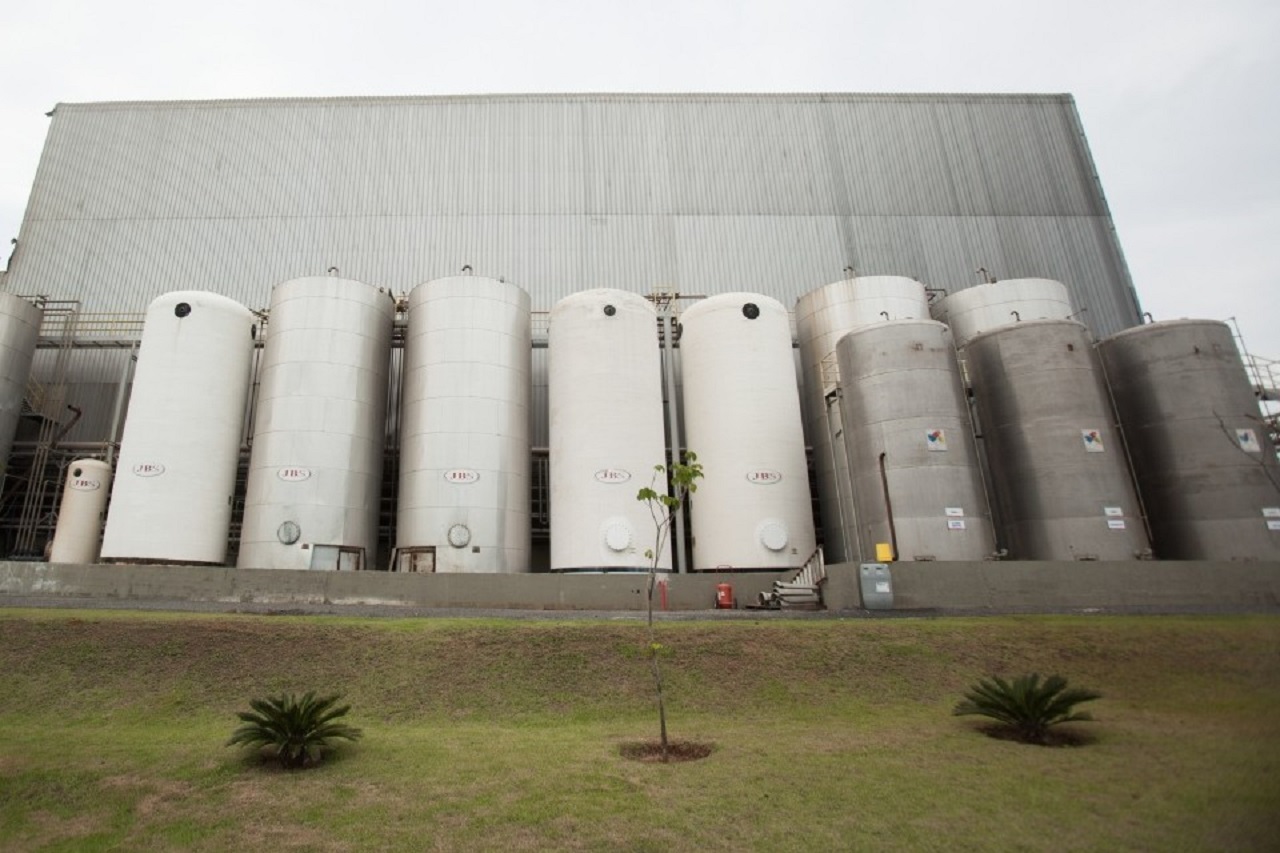
JBS Biodiesel Is Investing R$ 180 Million in Its New Biodiesel Plant in Santa Catarina.
The JBS Biodiesel is investing over R$ 180 million to expand its activities with its biodiesel plant located in the municipality of Mafra, in the state of Santa Catarina, aimed at doubling the company’s production capacity of biofuel. The new biodiesel plant is the third in operation by the company, and it promises to create over 400 jobs for local residents.
New JBS Biodiesel Plant Will Produce About 720 Million Liters Per Year
The biodiesel plant in Santa Catarina has a total area of 76,000 square meters and a production capacity of approximately 370 million liters annually.
With the new JBS unit in operation, the company’s total capacity will jump from 350 million to around 720 million liters per year, a volume that is equivalent to just over 10% of the 6.76 billion liters of biofuel produced in the last year, according to data from the National Agency of Petroleum, Natural Gas and Biofuels (ANP).
-
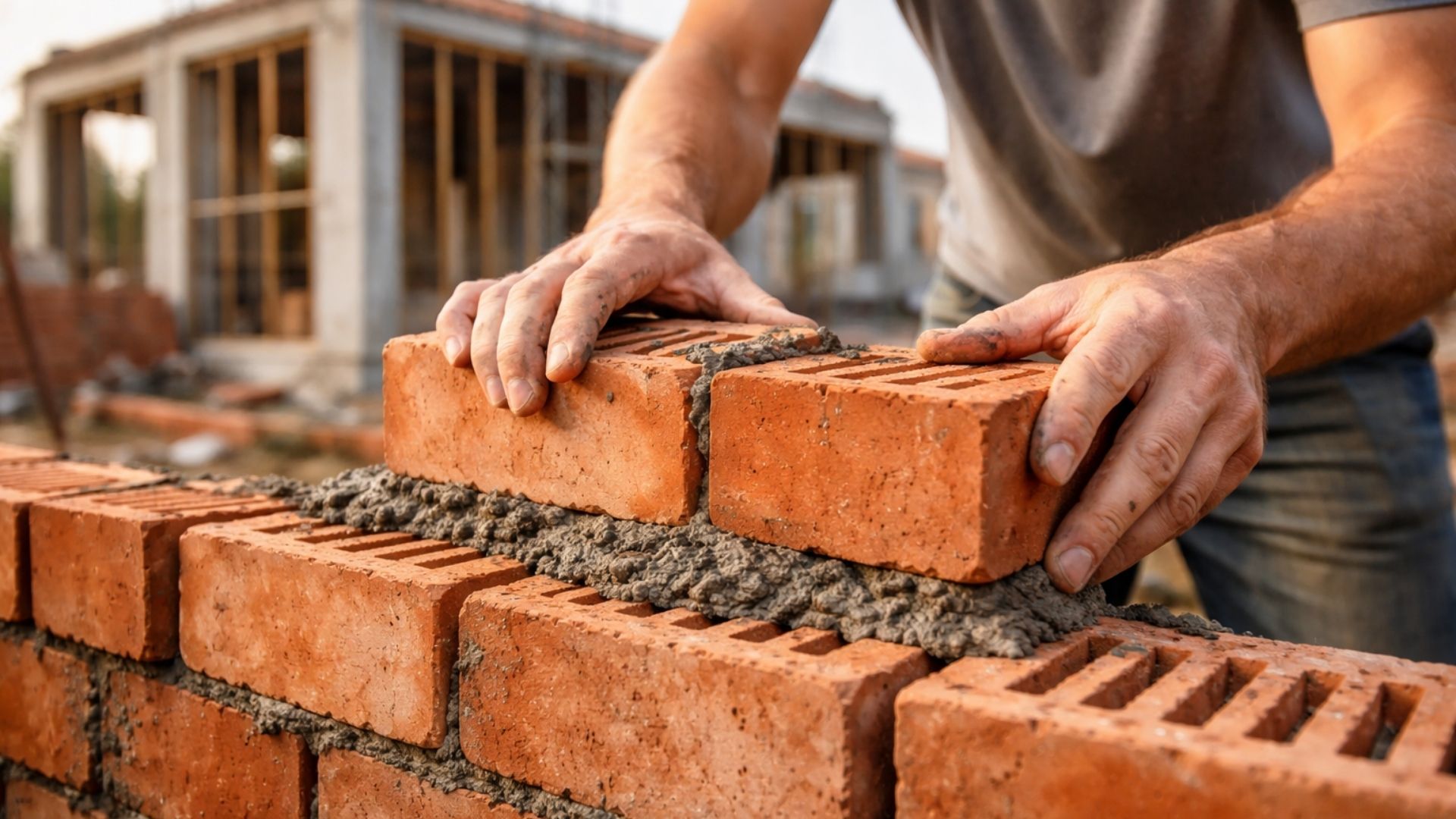
‘Interlocking brick’ made of earth arrives in the construction industry with cost reductions of up to 40% on the project.
-
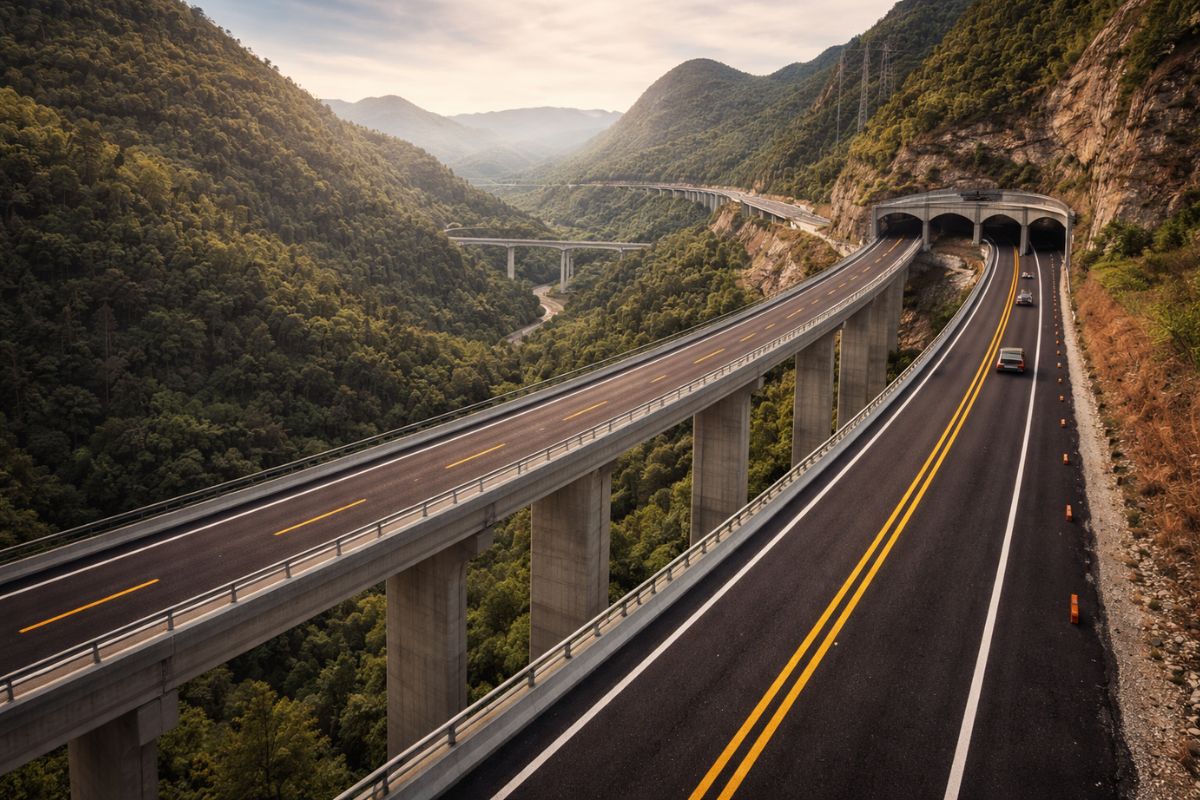
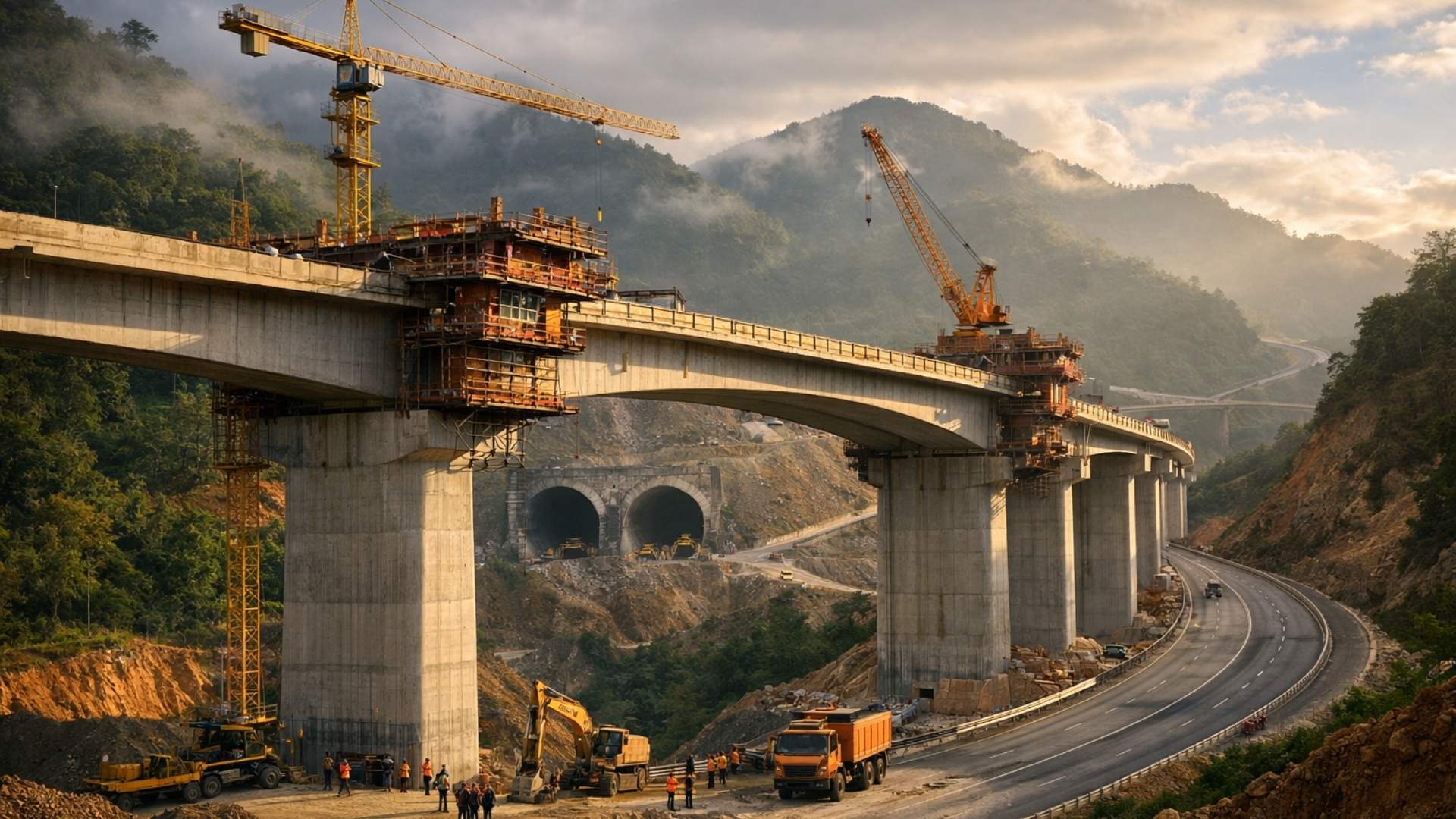
Espírito Santo will receive the largest engineering project in its history with the duplication of BR 262, which will have 50 viaducts, 28 bridges, and 2-kilometer tunnels cutting through the most challenging mountainous region of the entire state.
-
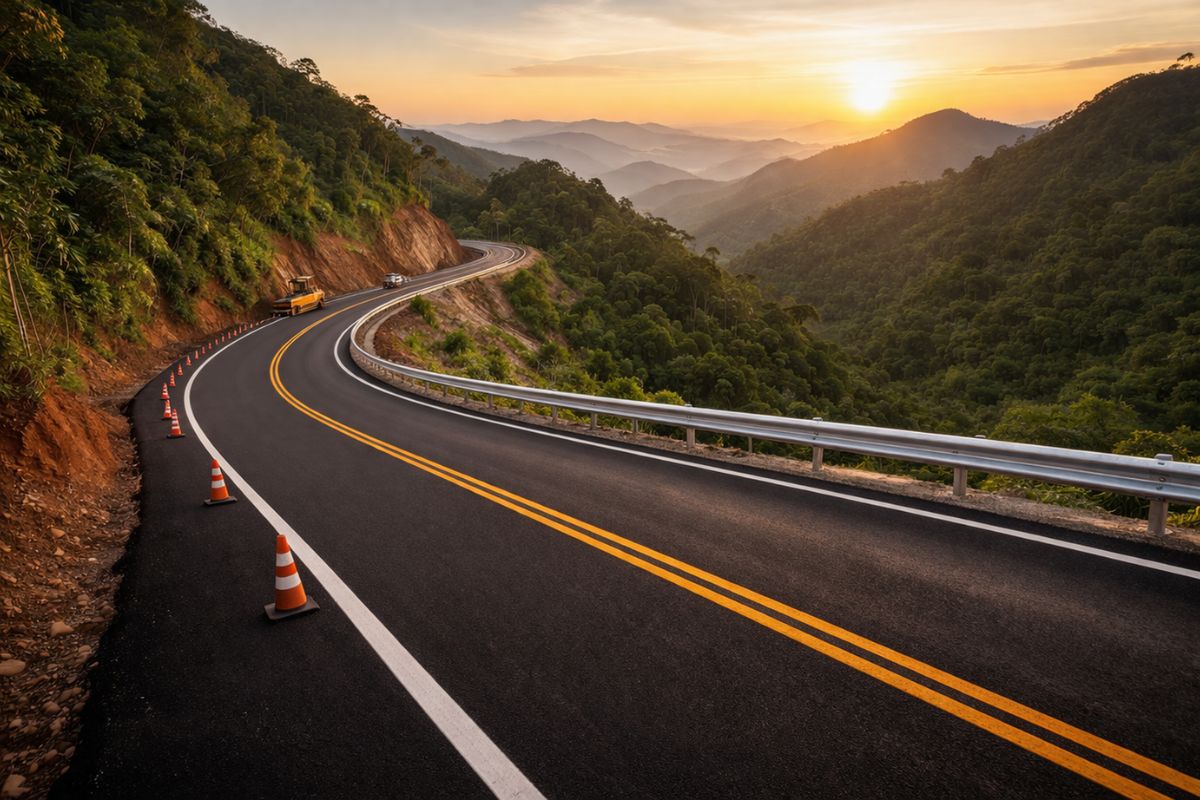
A project of nearly 9 million reais already has the first kilometer paved in Santa Catarina and promises to completely transform the access between Jaraguá do Sul and Rio dos Cedros in an area where tourism is growing at a rapid pace.
-
With 160,000 m² of collectors, an area larger than 20 football fields, Silkeborg, in Denmark, hosts a solar thermal plant that heats 19,500 homes and could become the largest solar heating plant in the world.

According to Alexandre Pereira, Commercial Director of JBS Biodiesel, biofuels play an essential role in the national energy matrix, and biodiesel has great potential for expansion in Santa Catarina and across the country.
This new investment in the biodiesel plant, which promises to create hundreds of new jobs, will reinforce the importance of the circular economy for JBS’s business and add value to the waste from its operations, contributing to sustainable development.
JBS Biodiesel Plant Promises to Generate 400 Jobs for Residents of the PR Region
The municipality of Mafra was selected due to its easy access to rail and road modes, proximity to the Presidente Getúlio Vargas Refinery, one of Brazil’s main mixing and distribution units for diesel, and quick access to the port of Paranaguá, in the state of Paraná, the third largest in the country.
The operation of the unit aims to generate 400 direct and indirect jobs, bringing economic benefits to the western region of Santa Catarina. For biodiesel production in Mafra, JBS Biodiesel will use recovered frying oil and soybean oil from grain crushing as raw materials for producing feed that nourishes poultry and pigs.
Thus, JBS consolidates the diversification of raw material sources, considering that it is currently the largest vertically integrated biodiesel producer in the world through bovine fat. The company’s choice to expand its presence in this type of market aligns with its Net Zero commitment, which aims to achieve zero emissions balance related to the value chain by 2040. In addition to the municipality in Santa Catarina, the company has a biofuel unit in Campo Verde (MT) and another biodiesel plant in Lins (SP).
Get to Know JBS Biodiesel
JBS Biodiesel is the largest vertically integrated biodiesel producer in the world generated from bovine fat and has three plants located in the cities of Lins-SP, Mafra, SC, and Campo Verde, MT. The company was the first in the country to be certified by RenovaBio, which certifies plants to issue Decarbonization Credits (CBios), where each CBio corresponds to one ton of avoided carbon dioxide.
Certified biodiesel plants are capable of neutralizing over 600,000 tons of CO₂ emitted per year. It is also important to note that the company has ISCC, ISO 9001, Renovabio certifications, as well as the BIO+ Seal.







Seja o primeiro a reagir!