Portuguese
  Spanish


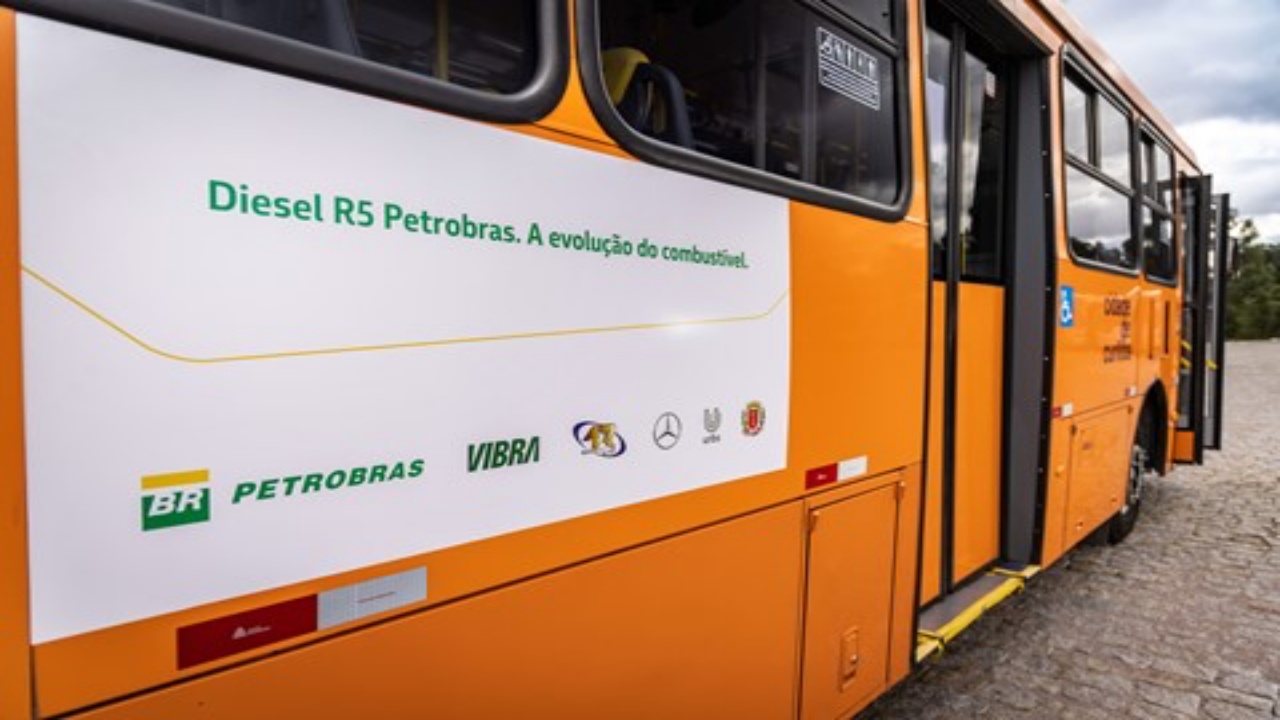

Curitiba Bus Lines Now Operate With Renewable Diesel Produced by Petrobras at Getúlio Vargas Refinery (Repar)
Petrobras announced in a relevant fact, on June 23, that it has taken another important step towards greater sustainability of the Brazilian energy matrix. Three bus lines in Curitiba (PR) are already operating with the new Diesel R5 (with 5% renewable diesel), produced by Petrobras at the Getúlio Vargas Refinery (Repar).
Approximately 120,000 liters of fuel are being supplied for buses on lines 617, 650, and 684, with the goal of evaluating, in real situations, the influence of the new fuel on emissions reduction, performance, and maintenance of these vehicles. In addition to Petrobras, Vibra Energia, Mercedes-Benz do Brasil, and Auto Viação Redentor are participating in the tests with the diesel containing renewable content.
During the studies, data will be collected from vehicles operating with Diesel R5 added with 10% ester biodiesel, as established by legislation.
-
Fired during apartheid and with a little borrowed money, an electrician started with a borrowed truck and transformed electrical services into a group connected to energy, real estate, and infrastructure in South Africa.

-
Wood has ceased to be just a construction material in Yale research and has become insulation for electrical transformers that face intense heat, aging, and increasing pressure from the renewable energy-powered grid.
-
More than 1,000 residents of a remote island in Kiribati now have clean water and electricity with solar systems operated by the community itself.
-
Corn ethanol attracts R$ 23 billion in 21 new plants and prepares for a nearly 50% jump in Brazilian production by 2027, even with high interest rates.



The New Diesel R5 Fuel Is Produced from the Coprocessing of Vegetable Oils or Animal Fats with Petroleum Diesel
The new Diesel R5 fuel is produced from the coprocessing of vegetable oils or animal fats with petroleum diesel. The fuel leaves the refinery with 95% mineral diesel (derived from petroleum) and 5% renewable diesel, also known as green diesel. Vibra is required to add 10% ester biodiesel.
Green or renewable diesel is an advanced biofuel, chemically identical to mineral diesel (derived from petroleum), but produced from renewable feedstock such as vegetable oils, animal fats, or even used cooking oil.
It can be produced in dedicated units or through coprocessing in existing hydrotreating units, where the unit’s load is made with mineral diesel mixed with vegetable oils.
Although Not Yet Industrially Used in Brazil, Coprocessing Technology Is Widely Used in Europe and the United States
Although not yet used industrially in Brazil, coprocessing technology is widely used in Europe and the United States, as it is the fastest and cheapest way to introduce renewable diesel into the market, utilizing existing industrial units in oil refineries.
Currently, the possibility of renewable diesel produced in dedicated units or by coprocessing with vegetable oils being considered in the mandatory content of biodiesel in diesel oil is being discussed at the National Energy Policy Council (CNPE).
If accepted, the introduction of the new fuel will bring advantages to the consumer, as the adoption of more modern renewable diesel enables the use of higher concentrations of renewables in new diesel engines.
In addition, it will foster greater competition among biofuels for diesel engines. Competition drives improvements in quality and cost reductions for both products (renewable diesel and ester biodiesel).
Petrobras Plans to Expand Production of Renewable Content Diesel to Two More Refineries in the Southeast
Petrobras plans to expand the production of renewable content fuel to two more refineries in the Southeast and, in the future, have a dedicated unit for processing renewable feedstock.
By 2026, an investment of US$ 600 million will be made for this purpose, through the Biorefining Program, which aligns with the company’s goals of developing new opportunities in lower carbon intensity products and businesses.