





 Portuguese
  English
  Spanish
 4 min of reading
  3 comments


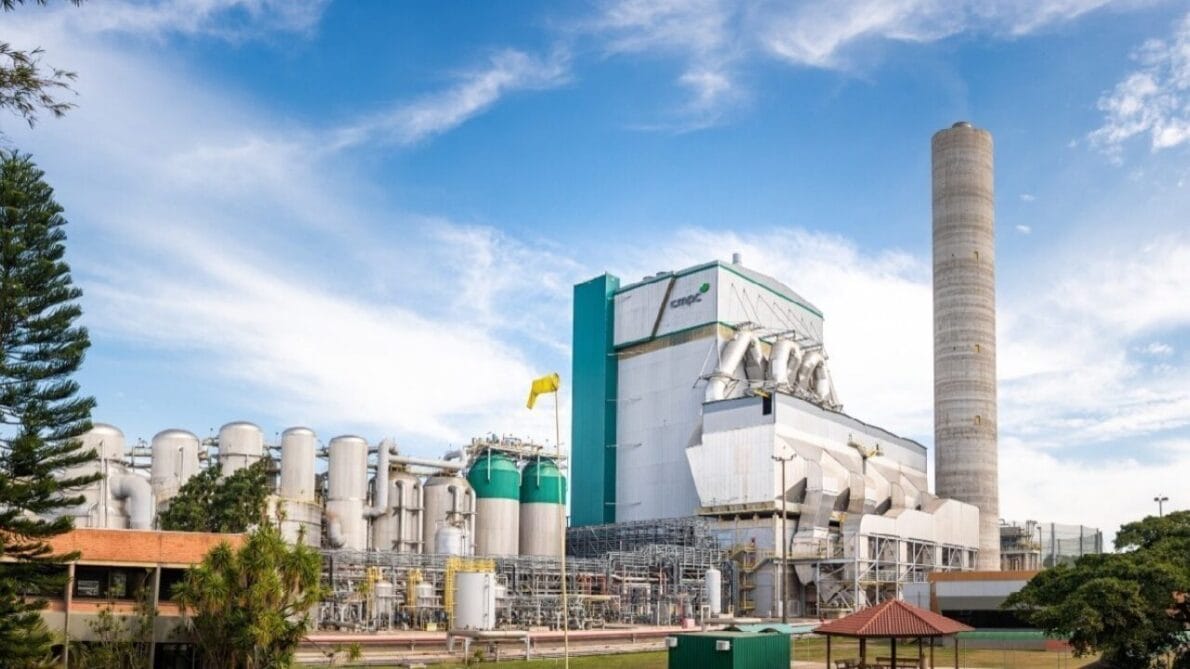

Governance Committee Is Created to Oversee US$ 4 Billion Investment by CMPC in the New Pulp Mill in RS.
The Chilean company CMPC confirmed a major investment for the state of Rio Grande do Sul, intending to build a new eucalyptus pulp mill. The project, which requires an initial investment of 4 billion dollars, will be one of the largest in Brazil, significantly increasing the company’s production capacity in the country.
Investment Details for the Mill
The new mill will have a production capacity of up to 2.5 million tons of eucalyptus pulp per year.
This volume represents more than double CMPC’s current capacity in Brazil, which is 2.4 million tons.
-
Historic bankruptcy of Centauro shocks the market, and the century-old company puts more than 500,000 products, machines, and complete infrastructure up for online auction.
-
New shoe factory in Ceará is expected to create 400 jobs and strengthen the local economy.
-
No one imagined it, but a mixture of sawdust with a mineral that fights fires surprises scientists with a result that changes the course of fire-resistant construction.
-
From empty land to a high-end house, wooden construction uses a lightweight system, metal structure for the foundation, ventilated ceramic cladding, and special windows to create an efficient and comfortable living space throughout the year.

The company also made it clear that there are possibilities for further expansion in the future.
In addition to the 4 billion dollar investment for the mill, CMPC anticipates spending an additional 420 million dollars on improvements to road infrastructure and 150 million dollars on the development and expansion of port terminals in Rio Grande.
These improvements are essential for the logistical support and operational efficiency of the new industrial unit.
The Secretary of Economic Development, Ernani Polo, emphasized the importance of the project for the state’s recovery.
“Even with the challenges faced recently, Rio Grande do Sul remains attractive for investments. Keeping projects ongoing is crucial for our economic recovery,” said Polo.
He also highlighted that the project will generate around 13,000 jobs during the implementation phase, which is essential for the economic restructuring of the state.
CMPC’s investment was received with enthusiasm by the state government, especially after the recent floods that impacted the region.
Governor Eduardo Leite expressed his gratitude to the company for continuing with the investment.
“This is a transformative project that will have a profound impact on the economy and the lives of the people of Rio Grande do Sul. We thank CMPC for maintaining its commitment to Rio Grande do Sul, even after the floods,” said Leite.
Studies and Governance Committee
To assess the project’s feasibility and minimize potential environmental impacts, the state government delivered the Term of Reference for Environmental Impact Studies to CMPC.
This document marks the beginning of the socio-environmental studies necessary for the implementation of the mill in Barra do Ribeiro.
Additionally, a governance committee was created to monitor the project’s progress. The committee will be led by the Secretary of Economic Development (Sedec) and will include representatives from various government departments and agencies.
The group will meet every 30 days to discuss and monitor the project’s stages, including the necessary infrastructure for access to the new mill and port terminals.
Committee Composition
The governance committee responsible for overseeing the implementation of the new pulp mill will consist of a diverse set of governmental and local entities.
The coordination will be under the Secretary of Economic Development (Sedec), and the committee will include representatives from the Civil House (CC), Attorney General of the State (PGE), Treasury Department (Sefaz), and the Department of Logistics and Transport (Selt).
Additionally, the Autonomous Department of Road Administration (Daer), the Office of Environmental and Infrastructure (Sema), and the State Foundation for Environmental Protection (Fepam) will be part of the group. Also integrated will be Portos S.A, the National Department of Transport Infrastructure (Dnit), and the municipalities of Barra do Ribeiro, Pelotas, and Rio Grande.
This committee will meet monthly to oversee the project’s stages, ensuring that the development aligns with established environmental and infrastructure standards.
Regional Impact of the New Pulp Mill
CMPC’s investment will not only bring a significant expansion of pulp production in Brazil, but it will also have a positive impact on more than 70 municipalities in the region.
The creation of jobs and the development of regional infrastructure are expected to boost the local economy and provide new opportunities for the population.
The Chilean company, with this project, demonstrates a significant commitment to economic development and job creation in Rio Grande do Sul, highlighting the importance of foreign investments in the recovery and growth of regions affected by natural disasters.
CMPC’s project represents a great opportunity for the state of Rio Grande do Sul, both in terms of economic growth and infrastructure modernization.
The new mill and the associated investments are expected to generate long-term benefits for the region, helping to stabilize and strengthen the local economy.
With the approval of the studies and the creation of the governance committee, the next steps will involve implementing the proposed improvements and continuously monitoring the environmental and economic impacts of the project.
The collaboration between CMPC and the state government will be crucial for the success of the mill initiative and for achieving the established objectives.









os opositores do governo de Lula reclamam das viagens de Lula no exterior os opositores de Lula veja o investimento que Lula trouxe do Chile pra o Rio Grande do Sul.
**** onde vc vai sempre vai existir um
Isso não tem nada haver com luladrao, esse investimento já estava previsto quando a Cmpc comprou essa fábrica de Guaiba, o mesmo será feito na fábrica do Rio de Janeiro e na Sepac não será necessário devido os maquinarios já serem modernos.
Ou seja o desinformado, eles compraram essas fábricas enquanto o Brasil estava em uma crescente, ou seja isso nunca teria acontecido no Governo da Dilma ou no desgoverno atual.