





 English
  Francês
  Alemão
  Italiano
  Japonês
  Norueguês
  Portuguese
  Spanish
  3 min of reading



The New Source of Electric Energy Was Developed from an Experiment Conducted by Students in the USA and Promises to Revolutionize the Renewable Energy Sector
Scientists at the University of Massachusetts Amherst (UMass) in the United States are developing an innovative technology that has the potential to generate electric energy from humidity in the air. The discovery of a possible new source of renewable energy came unexpectedly when Professor Jun Yao and his team were working on an air humidity sensor.
During the experiment, one of the students forgot to connect the device, but to everyone’s surprise, the microtubes and nanowires continued to generate a weak electrical signal. This unusual fact sparked the researchers’ curiosity, leading them to investigate the potential of this discovery.
From this fortuitous event, the scientists at UMass developed a device called Air-gen, which uses protein nanowires grown from the bacterium Geobacter sulphurreducens. By connecting these nanowires to very thin electrodes, an electric current is generated from the humidity in the air. This promising technology offers a new source of clean, renewable, and low-cost electric energy.
-
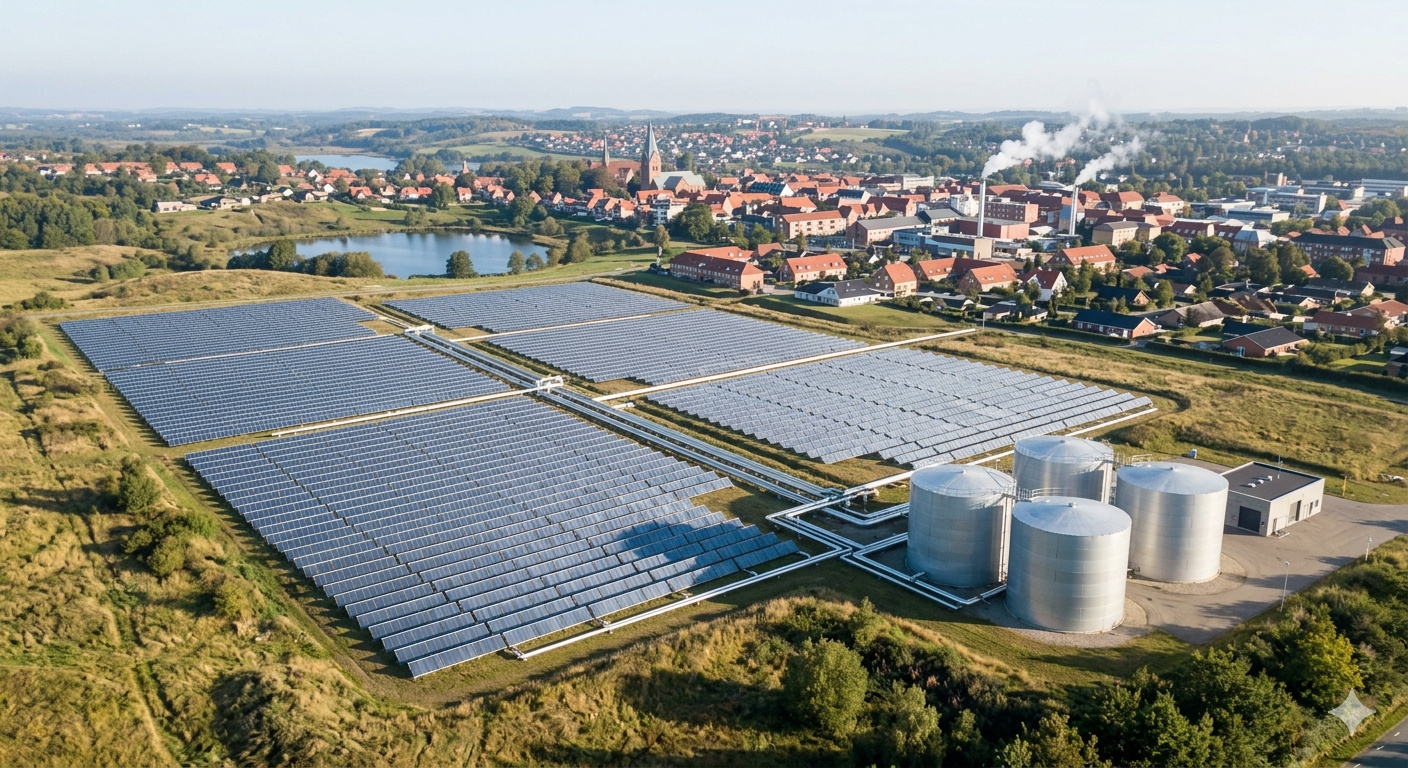
With 160,000 m² of collectors, an area larger than 20 football fields, Silkeborg, in Denmark, hosts a solar thermal plant that heats 19,500 homes and could become the largest solar heating plant in the world.
-
A study reveals the expansion of renewable energy procurement in Brazil and shows how companies are taking advantage of opportunities to reduce expenses, ensure energy efficiency, and strengthen strategic environmental commitments.

-
Mato Grosso do Sul excels in the sugar-energy sector: the state reaches a milestone of 22 operating mills and accelerates the production of clean energy in MS with a focus on sustainability.

-
National energy dilemma: Brazilians support clean energy but reject increases in tariff costs to finance the sustainable transition.


The Importance of the Discovery for the Renewable Energy Sector
Professor Jun Yao emphasized the importance of this renewable discovery, stating that they are “literally creating electricity from thin air.” This pollution-free renewable electric energy technology can generate energy even in enclosed environments and in extremely dry regions, such as the Sahara Desert. Additionally, the researchers aim to develop devices capable of powering small electronics, such as smartwatches, health sensors, and smartphones.
The UMass team did not stop there. They continued their research and published a paper in the journal Advanced Materials, in which they state that almost any material can be transformed into a device capable of harvesting electricity from humidity. By incorporating nanoporosity with diameters less than 100 nanometers, water molecules can be captured and used to generate energy.
The moisture in the air is considered a vast reservoir of sustainable energy, as it is always present. This allows for continuous electric energy generation, 24 hours a day, seven days a week, unlike other renewable sources such as solar or wind energy, which are intermittent.
The Generation of Renewable Electric Energy from Humidity
Other researchers are also exploring the field of hygroelectricity, that is, the generation of renewable electric energy from humidity. A European Union-funded project called Catcher aims to transform atmospheric humidity into electricity. Researchers from around the world are involved in this promising field, aiming to find innovative and sustainable solutions to meet society’s energy demands.
The discovery of generating electricity from air humidity represents a significant advancement in the field of renewable energy. With the potential to provide a clean and continuous source of energy, this technology can help mitigate the challenges posed by traditional energy sources and contribute to a more sustainable future.
As research progresses and more advancements are made in this area, it is hoped that electricity generation from humidity will become a commercial reality and an integral part of the global energy mix. This promising discovery has the potential to transform the way we produce and use energy, providing a cleaner and renewable alternative to meet our energy needs.








Seja o primeiro a reagir!