





 Portuguese
  English
  Spanish
  3 min of reading


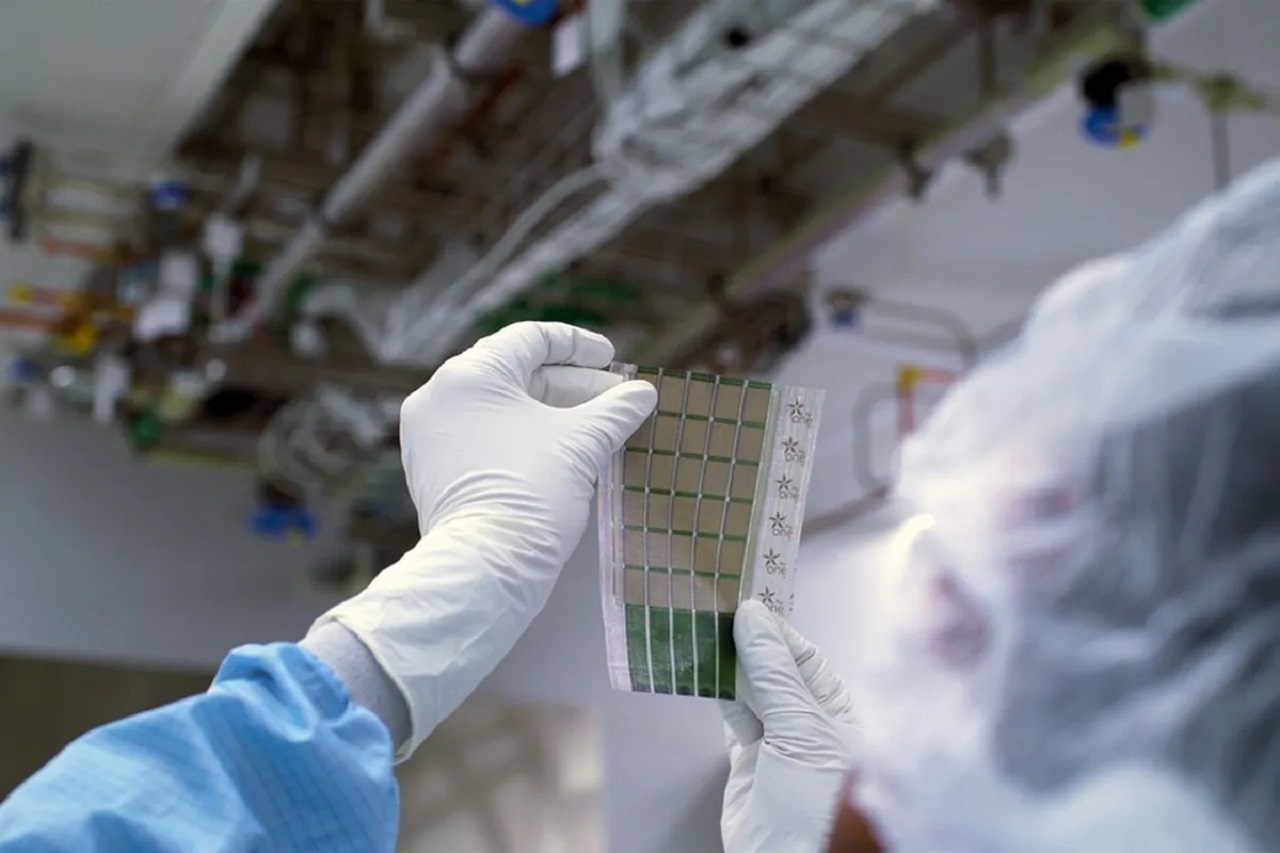
Scientists from MIT Developed a New Ultrathin Solar Film Technology Capable of Generating Electricity. The Innovation Could Revolutionize the Solar Energy Market, Given That It Can Be Applied Anywhere.
Scientists from the Massachusetts Institute of Technology (MIT) Developed an Unprecedented Photovoltaic Cell Technology That Promises to Completely Change the Solar Energy Market. The Technology Also Promises to Change the Concepts of Solar Energy Generation in the Future. The Innovation Involves Ultrathin Solar Cells That Can Transform Any Surface into an Energy Source.
Solar Cells Weigh One-Tenth of Conventional Solar Panels


The New MIT Technology Offers Good Durability, Along With Impressive Flexibility and Is Much Thinner Than a Human Hair. The Cells Are Glued to a Strong and Lightweight Fabric, Making Installation on Fixed Surfaces Much Easier.
Thus, From This New MIT Technology, Which May Reach the Solar Energy Market, It Is Possible to Generate Energy in Motion, Such as a Wearable Energy Fabric or Transport and Install Quickly in Remote Locations for Emergency Assistance, for Example.
-
With a cost per shot close to zero, the DragonFire laser could change naval warfare in 2027 and provide British ships with nearly unlimited defense against drones.

-
A British startup creates tires that generate electricity in electric vehicles when passing over potholes, speed bumps, and cracks.

-
Scientists have created robots made with living cells that have their own nervous system, swim on their own, explore the environment, and self-organize without any genetic engineering, and now they want to do the same with human cells.

-
Students create a solar-powered ambulance that operates without a plug, without fuel, and still keeps medical equipment running in remote areas.

The Developed Cells Weigh One-Hundredth of the Weight of Conventional Solar Panels Sold in the Solar Energy Market and Have the Capacity to Generate 18 Times More Energy per Kilogram and Are Made from Semiconductor Inks Using Printing Processes That Can Be Scaled Up in the Future for Large-Area Production.
Due to Its Lightweight and Other Features, the New MIT Technology Can Be Laminated onto Various Surfaces. They Can Be Integrated into a Boat’s Sails, for Example, to Provide Energy at Sea, Adhered to Tents and Tarps Installed in Disaster Recovery Operations, or Applied to Drone Wings to Extend Their Range. This Lightweight Technology Can Be Easily Installed in Developed Environments with Minimal Installation Requirements.
MIT Speaks Out on Technology Production
According to the Leader of the Organic and Nano-Structured Electronics Laboratory, Director of MIT.nano, and Senior Author of a New Article Describing the Work, Vladimir Bulovic, the Metrics Used to Evaluate the New Solar Cell Technology Are Generally Limited to Its Energy Conversion Efficiency and Its Cost in Dollars per Watt. Integrability Is Also Important, Meaning the Ease with Which the New Technology Can Be Adapted.
The Lightweight Solar Fabrics Allow for Integrability, Giving a Boost to Current Work. Scientists Have Strived to Promote the Use of Solar Energy Given the Urgent Demand to Deploy New Energy Sources That Do Not Emit CO2.
Common Silicon Solar Cells Are Fragile, Thus They Must Be Enclosed in Glass and Packaged in a Heavy and Thick Aluminum Frame, Limiting Where and How They Can Be Installed.
New Solar Energy Cells Are Printable
For Several Years, the MIT ONE Lab Team Has Been Producing Solar Cells Using an Emerging Class of Thin Film Materials That Were So Lightweight They Could Sit on Top of a Soap Bubble. However, These Ultrathin Solar Cells Were Produced Using Complex Vacuum-Based Processes, Increasing Costs and Creating Installation Challenges.
This Time, Researchers Developed Thin Film Solar Energy Cells That Are Fully Printable, Using Ink-Based Materials and Scalable Manufacturing Techniques.
For Producing the New Technology, Nanomaterials Were Used in the Form of Printable Electronic Inks. They Coat the Cell Structure Using a Slot-Die Coater, Which Deposits Layers of Electronic Materials onto a Release Substrate Prepared with Only 3 Microns of Thickness.








Seja o primeiro a reagir!