





 Portuguese
  English
  Spanish
  3 min of reading
  0 comments


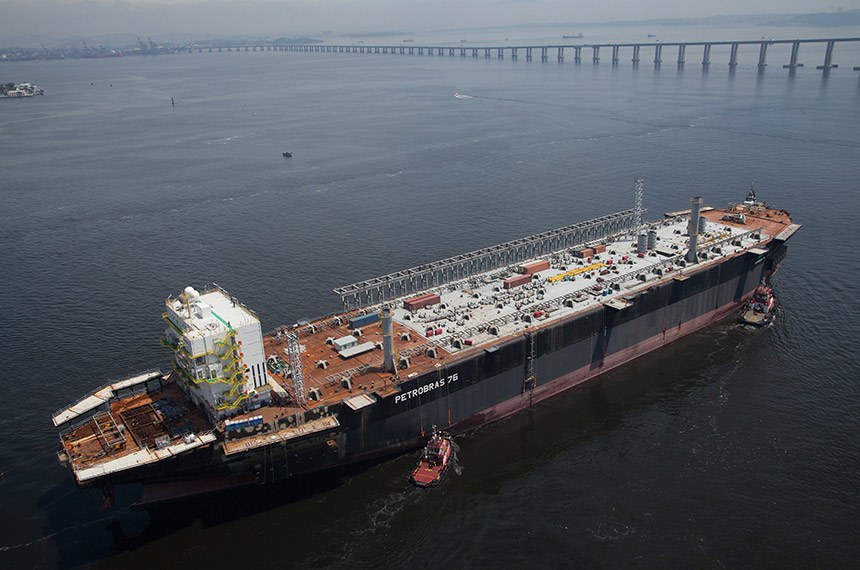
The New Legislation Is Transforming The Naval Industry In Brazil, Creating Jobs, Modernizing The National Fleet, And Attracting Billions In Investments To Strengthen The Country’s Economy.
Certainly, with the sanction of the Law 15.075, Brazil is taking a fundamental step to transform the naval industry into a more competitive and innovative sector. Furthermore, the legislation combines tax incentives and regulatory flexibility, which, in turn, promises not only to create thousands of jobs but also to attract significant investments and modernize the national fleet. In this way, the country positions itself strategically in the global maritime scenario, with clear advantages in economic and social terms.
What Changes With Law 15.075?
First of all, it is important to highlight that Law 15.075 brings changes that directly impact the naval sector. For example, the accelerated depreciation for tankers built in national shipyards will allow companies to reduce their tax burden more quickly, encouraging new investments. Additionally, the flexibility of local content rules, which now allows the transfer of excess credits between companies in the same consortium, reduces costs and improves competitiveness. As a result, Brazil creates a more attractive environment for national and foreign investors, promoting sustainable growth.
Direct Impact on The Economy and Jobs
There is no doubt that this legislation will have significant effects on the economy and job creation. To begin with, it is estimated that the law will inject R$ 2.4 billion into the economy and generate R$ 824 million in indirect taxes, which will certainly strengthen the sector. In addition, the construction of new ships in national shipyards will create thousands of direct and indirect jobs, especially in coastal regions, where economic activity will be strongly boosted. Thus, Brazil will also reduce its dependence on foreign vessels, strengthening its economic autonomy.
-
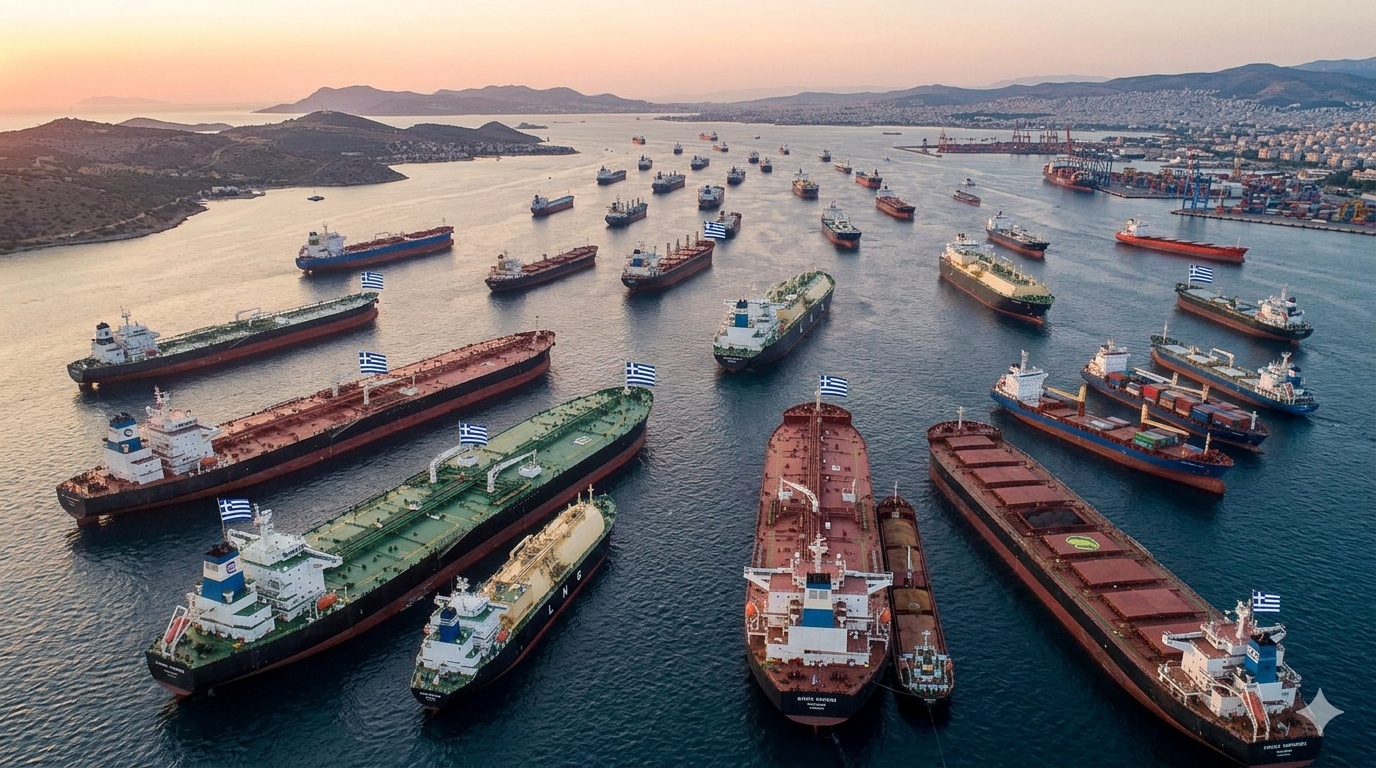
Neither the USA nor China: a small European nation has become one of the largest maritime powers on the planet, controlling one of the largest merchant fleets in the world with thousands of ships and dominating the global transportation of oil and strategic cargo.
-
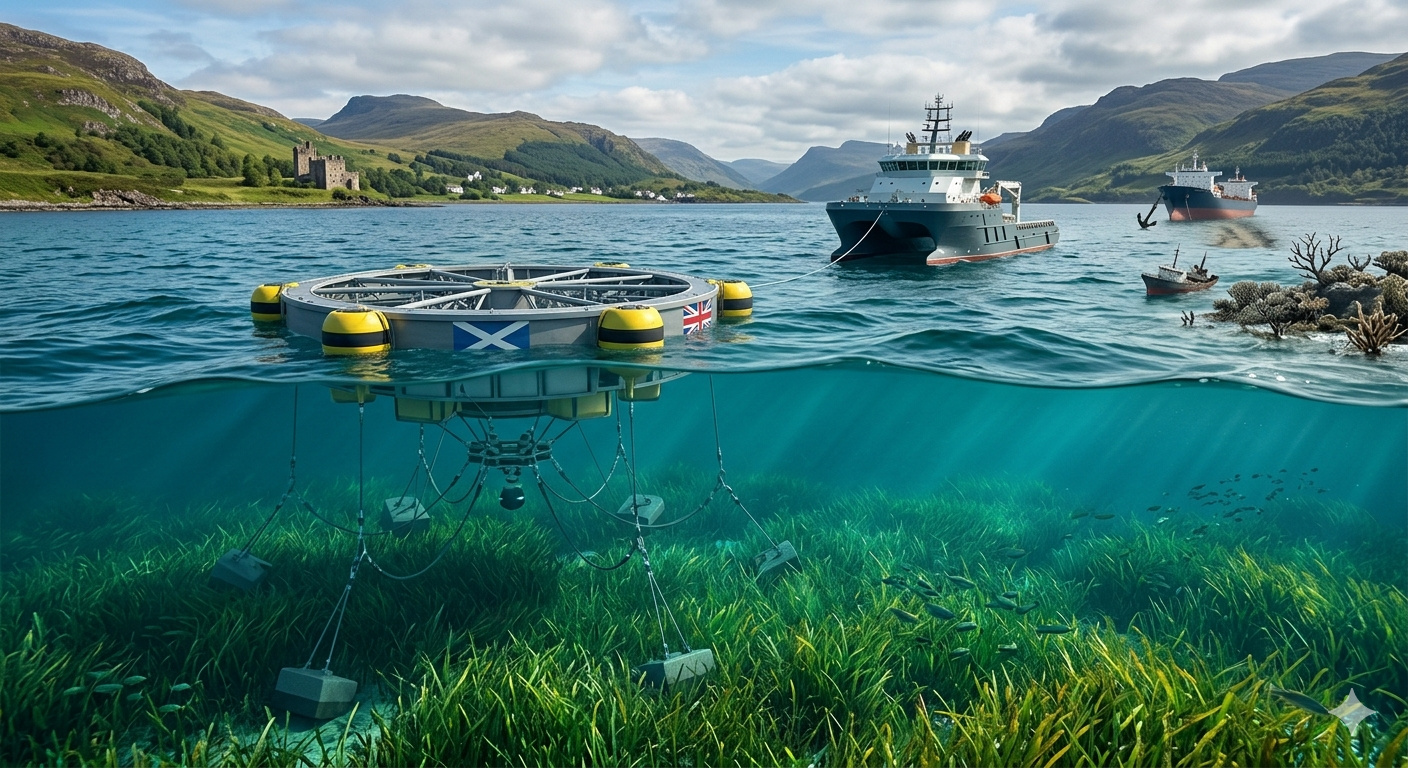
Scotland and the United Kingdom have created a new anchoring system that floats in the water without touching the seabed, after discovering that the current from a conventional anchor destroys up to 50 m² of seagrass meadow per event and that ship-damaged reefs showed no signs of recovery even ten years later.
-
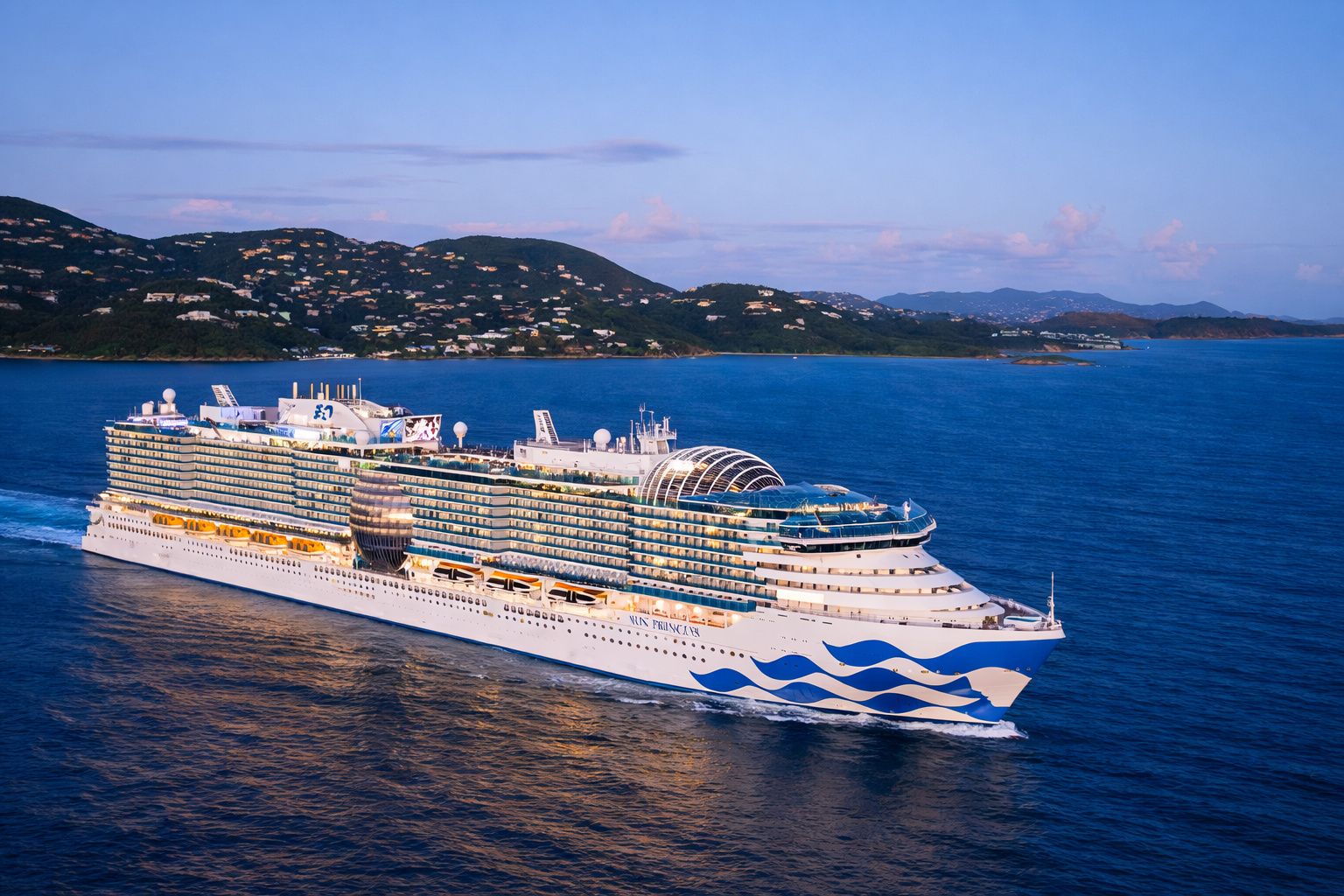
Weighing 175,500 Tons, Measuring 345 Meters Long, and With Capacity for Over 4,300 Passengers, the Sun Princess Becomes the Largest Ship Ever Built by Princess Cruises and Attracts Global Attention for Its Huge Glass Dome Inspired by Santorini’s Architecture Installed on Top of the Vessel
-
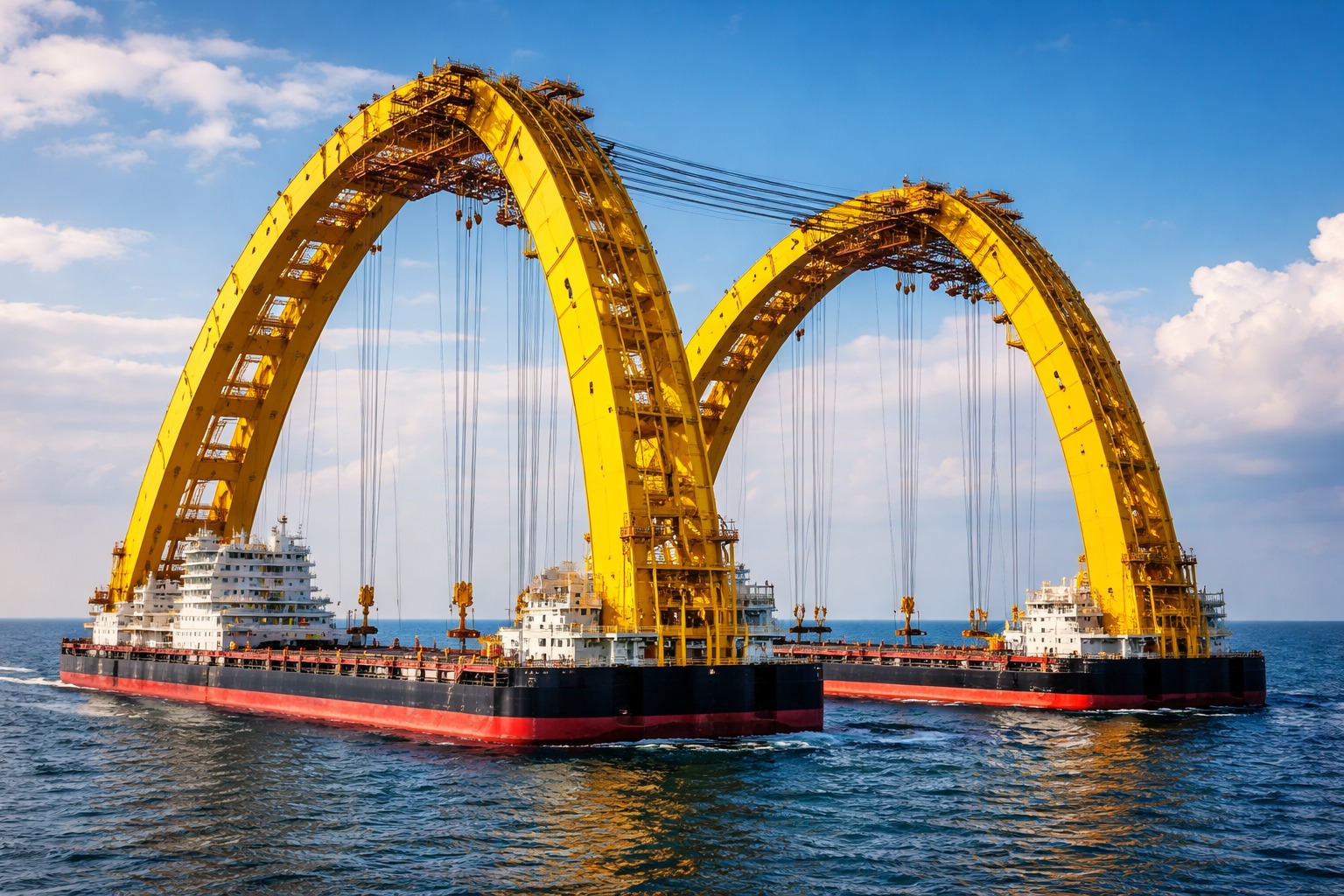
TX-10, The Colossus of The Sea: Largest Lifter Ship in The U.S., With Two Giant Barges, 73-Meter Tall Structure, and Strength to Raise 7,500 Tons of Sunken Oil Rigs

Benefits of Local Content Flexibility
Certainly, the flexibility of local content is one of the most celebrated changes by the naval industry and the oil and gas sector. Before this, companies faced various barriers to meet local content requirements in exploration and production contracts. Now, with the possibility of transferring excess credits between companies, the process becomes not only more efficient but also much more attractive for new investments. This way, companies will be able to reduce operational costs, adopt modern technologies, and consequently, increase their competitiveness in the global market.
Accelerated Depreciation as A Strategic Factor
There is no doubt that the accelerated depreciation of assets is a central strategic factor in Law 15.075. This measure, for example, allows companies to quickly reduce their tax burden, freeing up resources that can be reinvested in new projects. Furthermore, the modernization of the Brazilian fleet will be accelerated, bringing direct impacts on reducing import dependence. In this way, Brazil will strengthen its trade balance and, at the same time, position the naval industry as a strategic sector for the country’s economic growth.
Perspectives for The Future of The Naval Industry
Undoubtedly, the prospects for the future of the Brazilian naval industry are extremely positive. Firstly, the renewal of the fleet and the strengthening of cabotage will position Brazil as one of the global leaders in the maritime sector. Moreover, the construction of new ships will directly contribute to the reindustrialization of the country, while generating thousands of qualified jobs. Thus, Brazil will have the opportunity to increase its competitiveness and meet growing global demands, consolidating its prominent position in the international market.
A Milestone for The Naval Industry
Finally, the sanction of Law 15.075 marks a watershed moment for the Brazilian naval industry, with clear benefits in various areas. The combination of tax incentives, regulatory flexibility, and modernization stimulation offers Brazil a unique opportunity to stand out globally. Additionally, the changes brought about by the new legislation not only attract investments but also generate jobs and strengthen the national economy. Thus, the future of the naval industry in Brazil promises to be more dynamic, competitive, and sustainable, ensuring that the country solidifies its position as a global leader in the maritime sector.









Seja o primeiro a reagir!