





 Portuguese
  English
  Spanish
  5 min of reading
  0 comments


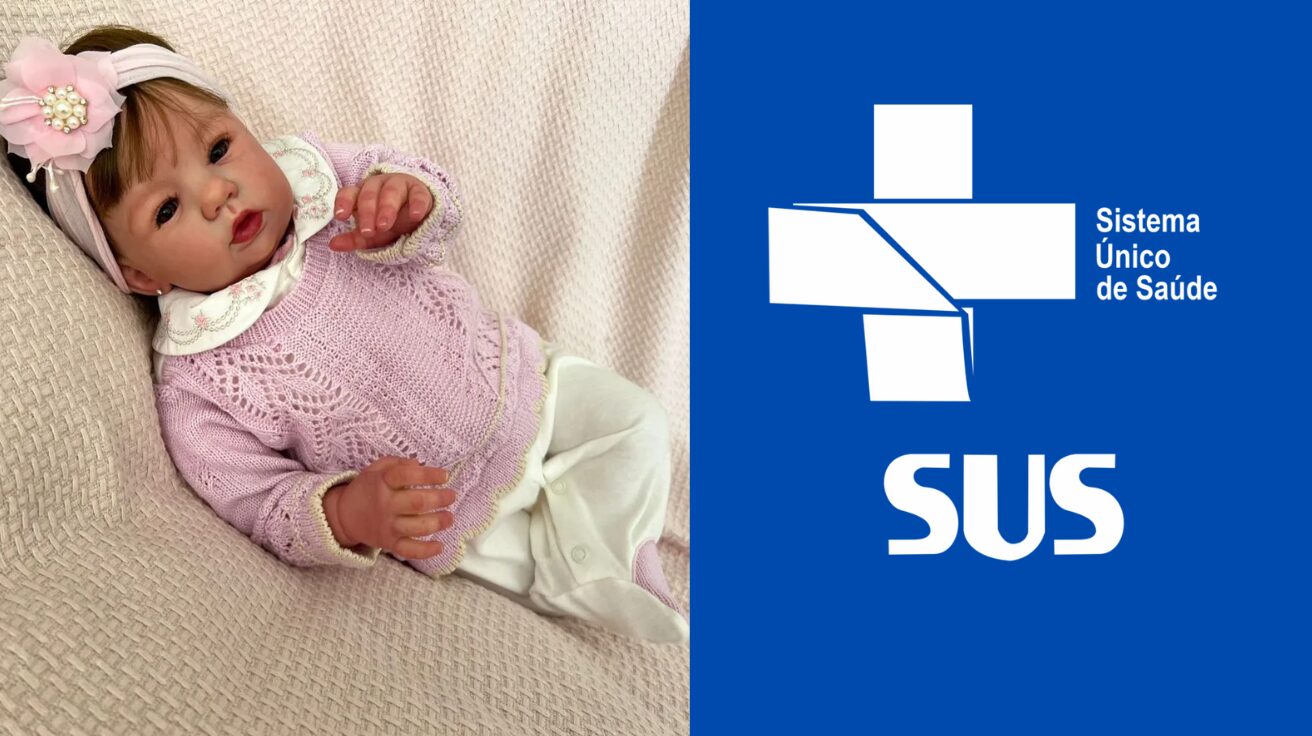
Proposal Under Analysis in Rio de Janeiro Aims to Create an Unprecedented Program to Support Those Who Treat Dolls as Real Children, Opening Space for Delicate Debates About Mental Health, Affective Bonds, and the Emotional Impact of Loneliness in Big Cities.
The Legislative Assembly of the State of Rio de Janeiro (Alerj) is analyzing an unusual bill that proposes the creation of a psychological support program for people who identify as parents of reborn dolls – realistic dolls that closely imitate the features, proportions, and physical characteristics of newborns.
The proposal, presented by state representative Rodrigo Amorim (União), raises an unprecedented debate about the emotional and social impacts of this type of bond.
Bill No. 5357/2025 seeks to implement a specific mental health program, focusing on guidance, support, and treatment for individuals who maintain intense affective ties with reborn dolls.
-
Spain surprises the world by erecting 62 artificial dunes, mixing sand with natural remains of posidonia, and causing the structure to lose only 1.4% of its volume in 1 year.

-
With 16 Bulava missiles, improvements in acoustic stealth, and a design focused on silent patrols, Russia’s nuclear submarine was born to ensure Moscow’s invisible retaliation and has become one of the pillars of its maritime strength.

-
‘Populous’ city in Rio among the worst in Brazil in national ranking and exposes silent development crisis.

-
Couple buys house in the South Zone of São Paulo, opens a hidden door in the garage, and finds a secret wine cellar with dozens of old wines forgotten since the 1970s.

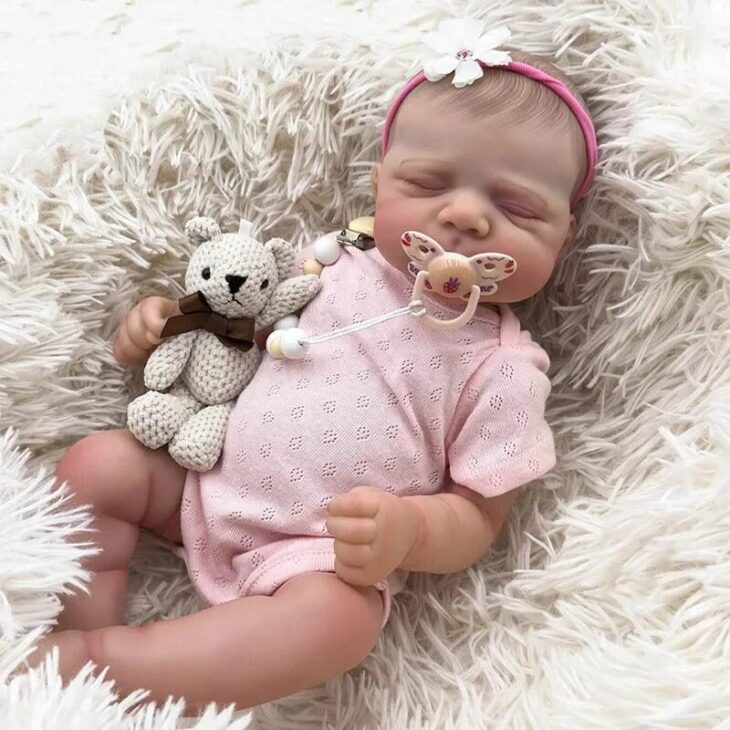
The lawmaker justifies the proposal based on the increase in reports of individuals displaying dysfunctional behaviors by treating these dolls as real children, even taking them to public hospitals and even requesting state benefits in the name of their “children.”
According to Rodrigo Amorim, this exaggerated relationship may be associated with deeper psychological disorders.
“Mental illness has led people to become fixated on the so-called reborn baby, which is undoubtedly a mental disorder and should be treated and addressed by the government,” said the representative during a session.
For him, the proposal is a preventive and humanitarian response to deal with a reality that already exists.


What the Project Proposes
The program described in the project proposes the creation of specialized psychological and psychiatric care centers, aimed at providing emotional support and clinical diagnosis to individuals with affective dependency regarding reborn dolls.
The proposal also establishes partnerships with universities, NGOs, educational institutions, psychology councils, and public mental health agencies to carry out research, educational campaigns, and care protocols.
The text also mandates the implementation of awareness campaigns throughout the state, aimed at alerting the population about the possible psychological risks of replacing human relationships with bonds to dolls.
Although the practice is neither a crime nor considered illegal, experts warn that, in extreme cases, it may lead to a denial of reality or the intensification of already existing disorders, such as depression, anxiety, and unresolved traumas.
Popularization and Controversial Cases
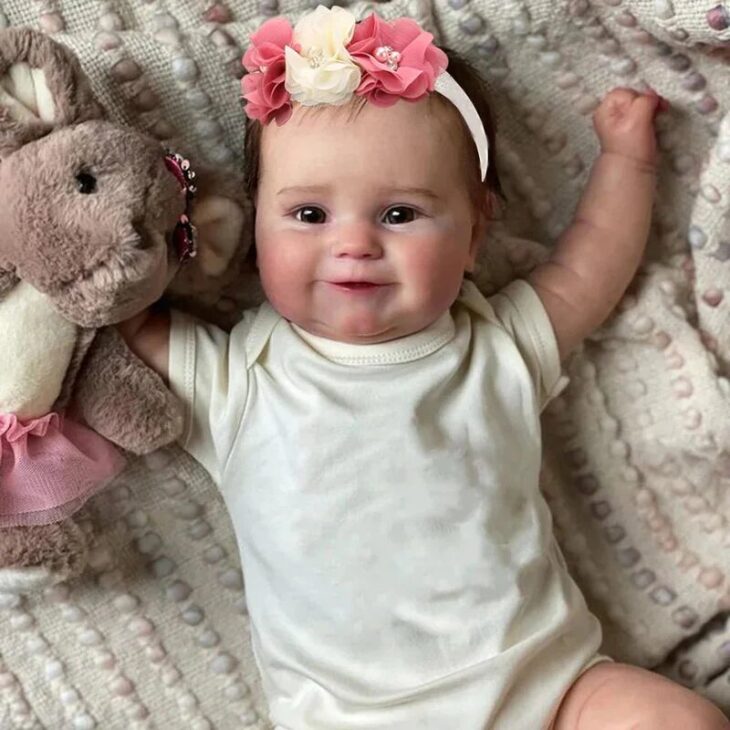
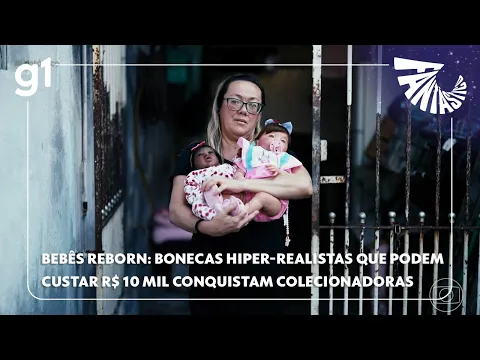
In recent years, reborn babies have gained notoriety in the media and on social networks, especially on profiles that show their “mothers” feeding, changing diapers, registering symbolic birth certificates, and taking the dolls on outings.
In some cases, reports indicate that these individuals have found comfort amid mourning for deceased children, frustrations related to infertility, or even social isolation.
However, the excesses are concerning.
Cases of medical attention for reborn babies in SUS units have been reported in states such as Minas Gerais and São Paulo, which provoked outrage among lawmakers and health professionals.
In Minas, state representative Cristiano Caporezzo (PL) presented a bill to expressly prohibit public institutions from providing any type of care to these dolls, under penalty of fines.
The central argument is that such demands compromise the structure of the health system and divert resources from real patients.
Legal and Cultural Debates
The controversy has also reached the legal field.
Many lawyers have reported an increase in consultations related to the rights of reborn “children,” including requests for alimony, civil registration, inclusion in health plans, and even shared custody in cases of separation.
Lawyer Fernanda Sanchez went viral for responding to a follower who asked if she could request alimony from her ex-husband to cover expenses for a reborn baby.
The response was clear: “A child is a child, a pet is a pet. You may not accept it, but a reborn baby is a doll.”
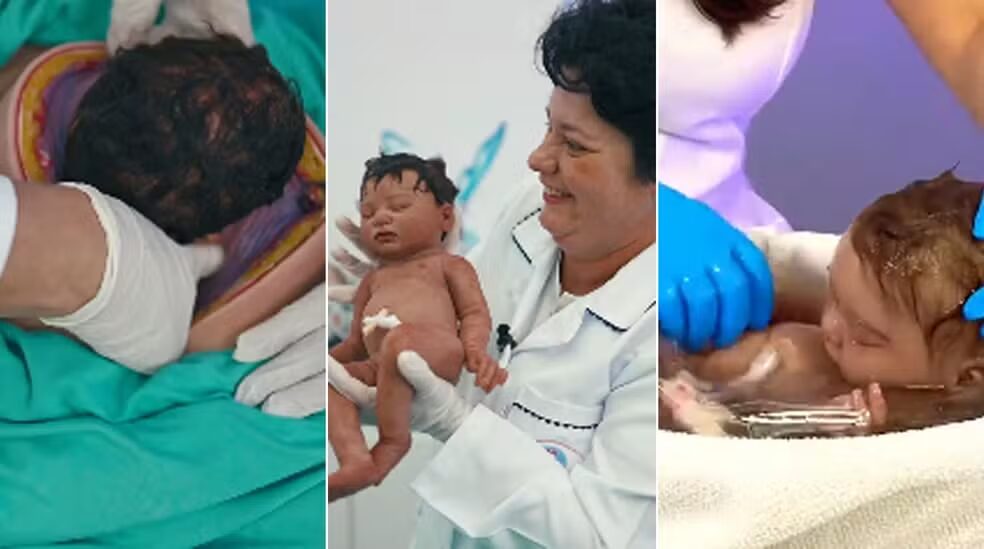
While for some, the bond with reborns is therapeutic, there is a fine line between healthy use of these dolls and the development of behaviors that indicate emotional disturbances.
Psychologists explain that, in certain clinical contexts, reborn dolls are utilized as a resource in therapies for grief, dementia, and infertility, as they help reframe pain.
However, when they become substitutes for real human relationships, requiring care and rights as if they were living beings, it may compromise the individual’s psychic reality.
Mapping and Behavioral Research
The Alerj proposal also includes an important preventive aspect: the intention to carry out mappings and in-depth studies on the phenomenon.
The project’s text proposes that universities conduct research on the behavior and motivations that lead individuals to establish such intense affective relationships with these objects.
The project is still under consideration in the Alerj thematic commissions and is expected to undergo broader discussions with representatives from the health, psychology, social assistance, and education sectors.
If approved, the program could become a national reference in the treatment of similar cases, in addition to fostering a broader discussion about the impact of loneliness, mourning, and mental illness in contemporary society.
Between Affection and Alienation
Another noteworthy point is that the city of Rio de Janeiro has already established the “Reborn Stork Day,” a symbolic date created by the City Council to honor individuals who care for reborn babies with affection and dedication.
The initiative was celebrated by support groups, but also drew criticism from those who view it as a trivialization of affection or an incentive to alienation.
In light of technological advancement and the growing digitalization of human relationships, phenomena such as the use of reborn babies highlight the emotional gaps many people face.
The debate that the bill raises is relevant not only from the perspective of public health but also in the fields of ethics, behavior, and culture.
For many experts, the Alerj proposal is an important step toward better understanding how society deals with psychological suffering and the strategies – healthy or not – that people use to cope with it.
In an era marked by hyperconnectivity and a lack of deep connections, initiatives like this seek to find a balance between reception and professional guidance.
Do you think treating a doll as a child can be a legitimate way to cope with loneliness, or does it already cross the line of reason?







Seja o primeiro a reagir!