





 Portuguese
  English
  Spanish
  3 min of reading
  3 comments


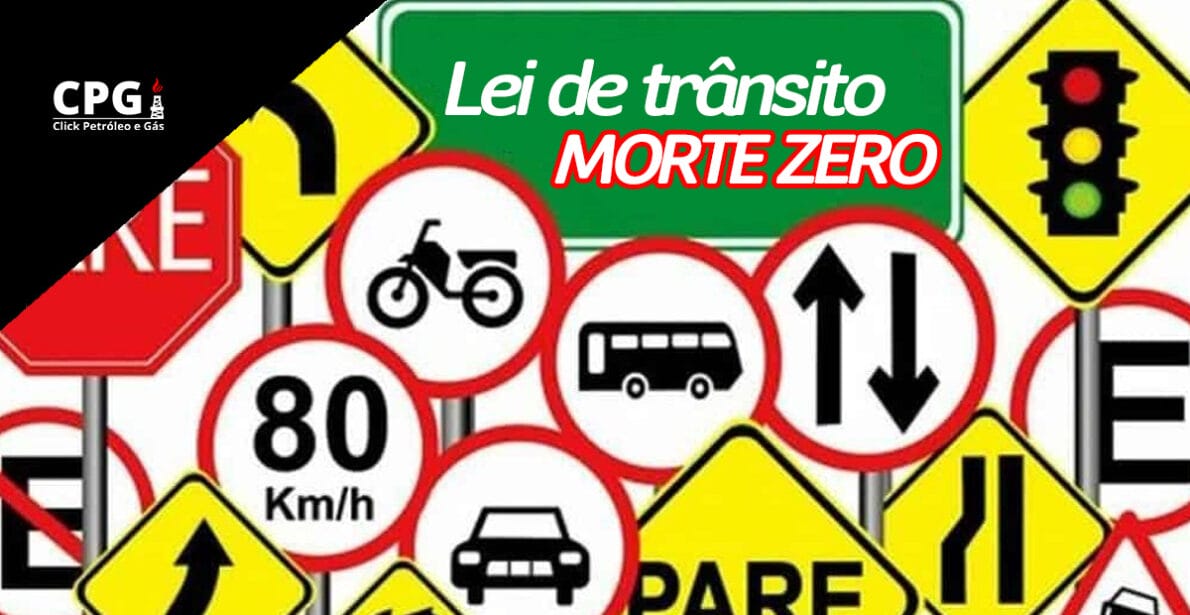

Imagine A World Where No Traffic Death Is Tolerated. Does It Seem Like A Perfect World? This Is The Goal Of The New Traffic Legislation In Brazil, Inspired By The Strict Swedish Model.
The proposal promises to transform the Brazilian traffic, focusing especially on the protection of cyclists and pedestrians. But what is really behind this initiative?
The Bill 722/24, which establishes the Vision Zero program, seeks to completely reformulate the approach to traffic safety in the country.
Inspired by Sweden, which has drastically reduced its traffic deaths since 1997, Brazil aims to follow the same path. Today, the European country is a world reference in road safety, and this law aims to bring the same results here.
-
Unemployment rises again to 5.8% at the beginning of 2026, raising alarms about the end of temporary positions and its impact on the Brazilian job market.
-
Document organization can cut invisible costs in small businesses, a simple step that prevents waste, rework, and losses in daily operations.

-
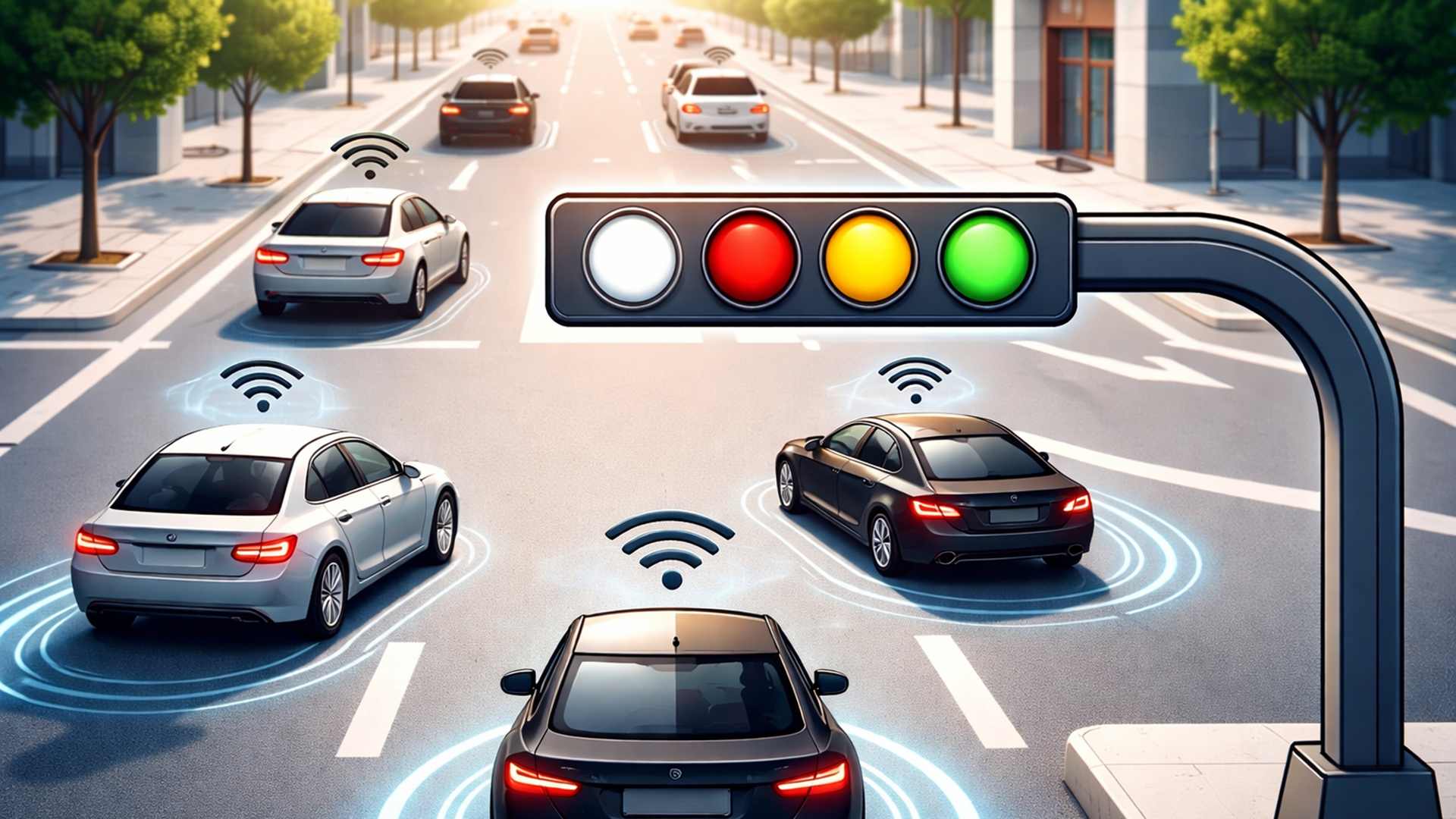
Engineers propose a fourth traffic light for intersections – the change promises to affect crossings, queues, and waiting times.
-
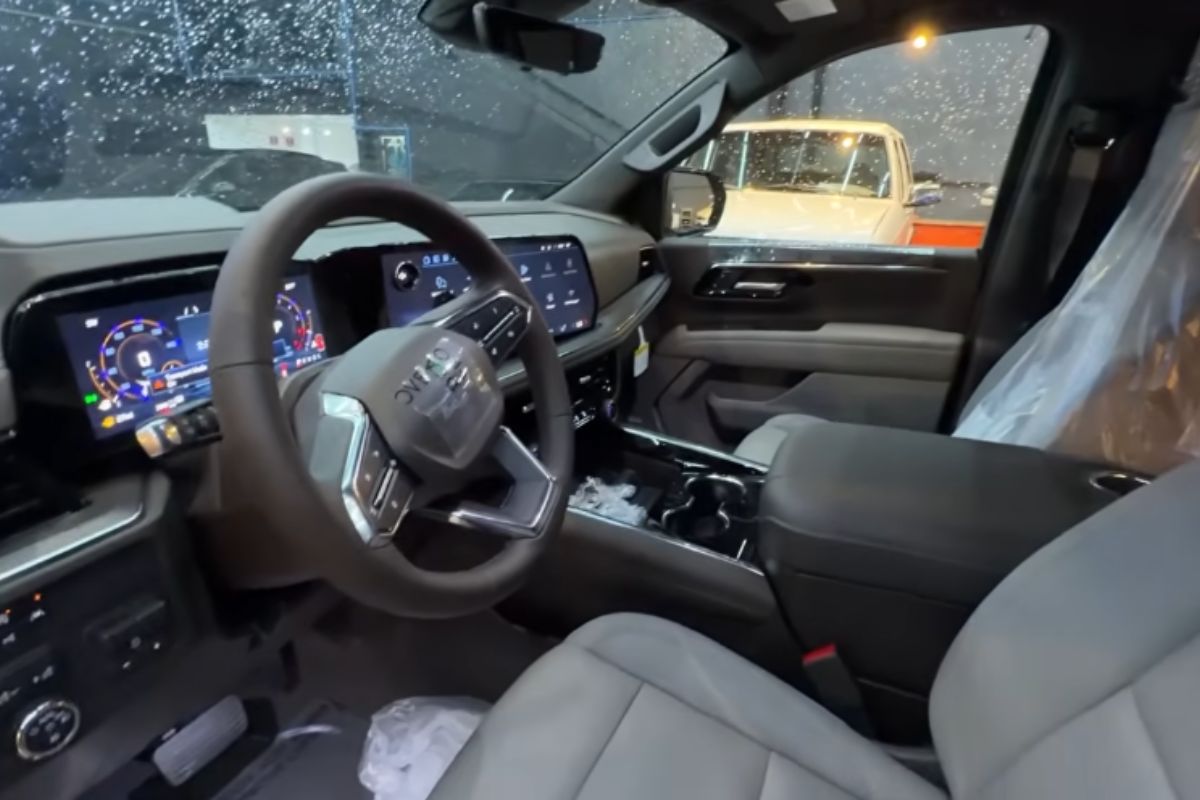
Chevrolet Suburban Z71 lands in Brazil with a V8 engine, off-road design, air suspension, seven seats, and colossal size, a rare version imported for around R$ 1.3 million with luxury and exclusivity.

One Of The Safest Roads In The World
The Vision Zero program has made Swedish traffic one of the safest in the world, and its premise is clear: no traffic death is acceptable.
According to the Ministry of Transportation, evidence shows that countries and cities that have adopted the principles of safe systems, instead of traditional approaches, have achieved more significant results.
Examples of this can be seen in various locations around the world, where traffic deaths have been drastically reduced after implementing similar measures.
In Brazil, the National Plan for Reducing Deaths and Injuries in Traffic (Pnatrans), created by Law 13,614/18, already guides traffic managers to take actions to decrease traffic fatalities.
However, the proposal by Deputy Duda Salabert (PDT-MG) aims to formalize this guidance through a specific law that establishes clear guidelines for the Vision Zero program.
Among the measures proposed by the bill are:
- Permanent traffic education campaigns;
- Monitoring and identification of traffic circulation and accident profiles;
- Training of public managers and sector professionals;
- Specific training for public transport drivers regarding coexisting with cyclists and pedestrians;
- Encouragement of research and innovation in best practices for road planning;
- Formulation of short, medium, and long-term schedules for the gradual implementation of projects aligned with Vision Zero;
- Inclusion of Vision Zero as an agenda in public events and commemorative dates;
- Updating existing legislation in the Brazilian legal framework;
- Conducting inquiries to investigate the causes of each traffic death and prevent future occurrences.
To give visibility to Vision Zero, the proposal establishes the third Sunday in November as National Day In Memory of Traffic Victims. On this day, various activities will be promoted by ministries and federal agencies, aiming to raise public awareness about the importance of road safety.
Duda Salabert emphasizes the importance of following the example of Oslo, the capital of Norway, which recorded no deaths of cyclists or pedestrians in 2019. “The public administration of Oslo is fully committed to Vision Zero, where every life is important and no death is tolerated in traffic,” the parliamentarian stated.
What Is Needed For The Project To Succeed
The bill is proceeding in a conclusive manner and still needs to be analyzed by the committees on Transportation and Traffic, Urban Development, Finance and Taxation, and Constitution, Justice and Citizenship, before being sent to the Senate for final approval.
The adoption of Vision Zero in Brazil promises a safer future for everyone on the road. But will we be able to achieve results similar to those in Sweden and Norway? The commitment of public managers and the awareness of the population will be fundamental for the success of this initiative.
And you, do you believe that Brazil will be able to reduce traffic deaths to zero? How do you think the Vision Zero program can impact road safety in our cities? Share your opinion in the comments!









Não podemos esquecer que NÃO ADIANTA SÓ TREINAR e ORIENTAR o MOTORISTA!
ORIENTAÇÃO e FISCALIZAÇÃO TAMBÉM PARA o PEDESTRE e CIClISTA.
Muitas vezes são o menor que coloca a vida em risco.
Tem pessoas que não sabem andar numa calçada e ciclista que acha que tem acesso livre em todo lugar, não é bem assim, a engenharia de trânsito faz um importante trabalho se todos obedecem as leis e os limites.
Leis mais severas para qualquer condutor imprudente sendo rico ou não! motorista embriagado deve ter habilitação suspensa cumprir prisão que está previsto na lei de trânsito,se quiser voltar dirigir deverá refazer todo processo para tirar nova habilitação ainda com uma observação na habilitação dizendo ser infrator imprudente no passado. Uma espécie de histórico de mal condutor. Renovar habilitação a cada dois anos .
Acho possível, com a educação do motorista,
Pedestre. Ciclista e motociclista e depois aulas de civilidade e responsabilidade, com fiscalização e cobrança severa.
Pode ser mais prático trocar a população.