





 Portuguese
  English
  Spanish
  4 min of reading
  12 comments


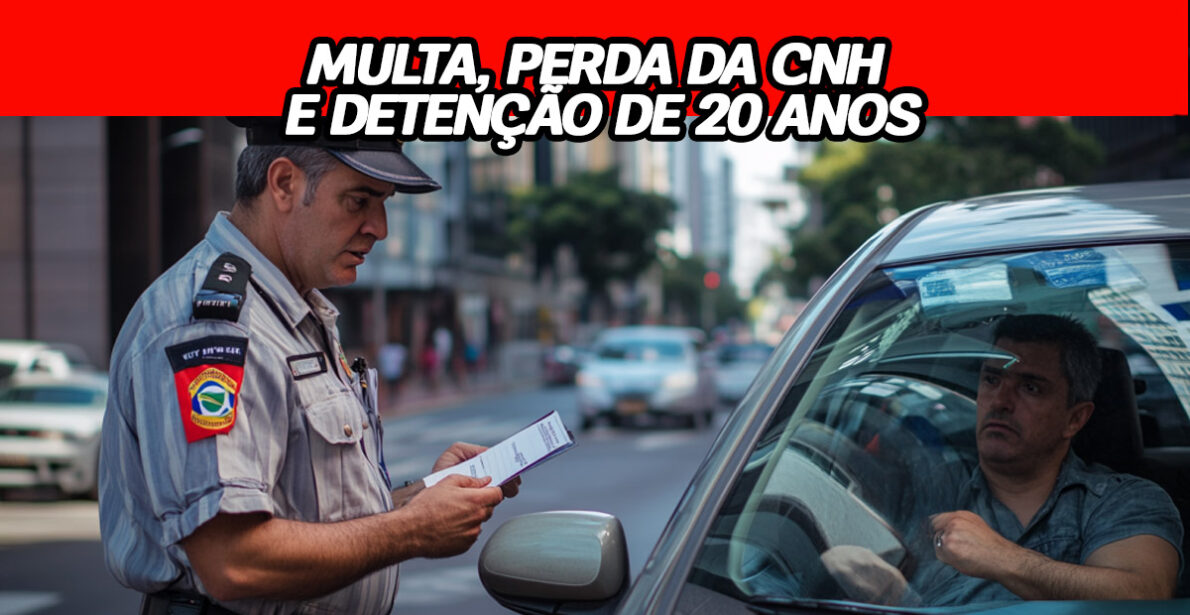

New Laws in the Brazilian Traffic Code Aim to Make Traffic Crimes such as Voluntary Manslaughter Non-Bailable, Increasing Penalties for Drivers Under the Influence of Alcohol and Drugs. The Changes Impact Driver Behavior and Major Manufacturers, Such as Ford, Toyota, Chevrolet, and Volkswagen.
In a country known for its chaotic traffic and frequent fatal accidents, new legislative proposals promise to transform the Brazilian Traffic Code (CTB) and place drivers under strict surveillance.
The changes could drastically impact the way we drive, and those who take risks behind the wheel under the influence of alcohol or drugs may face devastating consequences.
The pressure to approve these new measures is increasing, and those who are not prepared for the changes will have to face penalties never seen before in Brazil.
-
OMODA & JAECOO grows in Europe in 2026 with an integrated strategy of sales, innovation, local production, and technological advancement in the United Kingdom, Italy, and Spain.

-
OMODA & JAECOO expands after-sales service in Brazil with competitive maintenance, a 7-year warranty, and high availability of parts for technological SUVs.
-
OMODA & JAECOO appoints Alessandra Souza as executive marketing director in Brazil and accelerates brand expansion with a focus on innovation, networking, and hybrid portfolio.

-
Jaecoo 7 with super hybrid SHS system exceeds 1,200 km of combined range with a 1.5 turbo engine, high-density battery, and intelligent energy management.

The Federal Senate and the Chamber of Deputies are fully analyzing proposals aimed at toughening traffic legislation, focusing on cases of voluntary manslaughter and driving under the influence of substances.
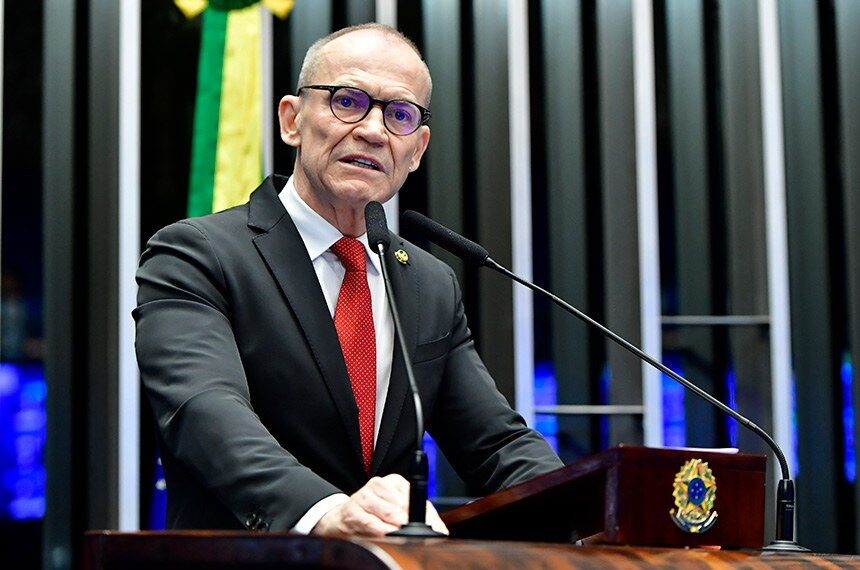
The bill (PL) 1229/24, authored by Senator Fabiano Contarato (PT-ES), leads these initiatives, promising unforgiving fines and mandatory testing for drivers involved in accidents.
If approved, the changes to the CTB are expected to severely affect the lives of drivers, especially those who consume alcohol or drugs before driving.
Proposals That Could Change the CTB
The proposed changes to the Brazilian Traffic Code include the requirement for tests to detect the presence of alcohol or psychoactive substances in drivers involved in serious accidents.
If the use of alcohol or drugs is proven and the accident results in death, the driver could be charged with non-bailable manslaughter, with no right to bail, pardon, or amnesty.
This toughening of the law seeks to eliminate existing loopholes in the current CTB, where alcohol or toxicology testing is optional.
According to Contarato’s project, the new legislation aims to close loopholes that allow for impunity, especially in cases where drivers manage to avoid testing.
If the law is approved, the requirement to undergo testing will be non-negotiable, and drivers caught under the influence of substances will face arrest in flagrant cases, even if they assist the victims.
The Impact of the New Penalties on Traffic
The changes to the CTB also aim to increase punishment for those who fail to assist after an accident.
The penalty could be increased to detention from six months to one year, in addition to fines.
This toughening, according to Deputy Delegate Palumbo (MDB-SP), author of PL 1002/2024, seeks to include voluntary manslaughter in the operation of a motor vehicle among traffic crimes, with penalties that can reach 20 years in prison.
The focus is to ensure that irresponsible drivers face the legal consequences of their actions.
According to Palumbo, “taking the wheel under the influence of alcohol or drugs is the same as carrying a loaded gun; the consequences can be fatal”.
The new legislation reflects an effort to reduce traffic accidents in Brazil, many of which involve the use of illicit substances.
Justifications for the Changes
Proponents of these proposals argue that current penalties are insufficient to curb the alarming increase in serious traffic accidents in Brazil.
According to Contarato, the current legislation has failed in its preventive function.
“We can no longer tolerate impunity in traffic,” the senator stated in an official note. The growing number of fatal accidents involving drivers who operate under the influence of alcohol or drugs motivated the creation of these new laws.
Manufacturers such as Ford, Toyota, Chevrolet, and Volkswagen have been closely monitoring these changes, as the impact on driver behavior can directly influence the automotive market.
If the new proposals are approved, Brazilian drivers will face a much stricter environment on the roads.
Issues Raised by the New Laws
While the new measures may increase safety on the roads, experts question whether the proposed changes will be truly effective.
The enforcement of the new rules and the increase in penalties may have a considerable impact on driver behavior, but there is a question of how authorities will ensure compliance with these measures effectively.
Additionally, there is a growing debate about the effectiveness of harsher penalties in reducing accidents. Could stricter laws be a definitive solution to decrease the tragic traffic numbers in Brazil? Will drivers be willing to change their habits in light of the new legislation?
The answer, according to industry analysts, lies in the balance between traffic education and appropriate penalties.
The automakers Ford, Toyota, Chevrolet, and Volkswagen may benefit from safer traffic, but the practical effect of these laws is still under discussion.
Are stricter laws really the solution to reducing traffic accidents in Brazil? Share your opinion in the comments!








Eu fui camioneieo 30 mais hoje o que mais ver nas rodovias alguns motoristas podando faxa cortina as pessoas que que se defende esse deveria tomar carteira um ano sem dirigir um período e fazer uma reciclagem para voltar esse uza droga tem que cassar a carteira .
Acredito que possa ser um hipócrita falando, pois bebo as vezes e dirijo, não sei se tenho sorte ,mas fui pego uma vez e paguei por isso valores altos por minha imprudência. Falta fiscalização rigorosa e na minha opinião não vamos ter **** suficientes para todos porque são muito que bebem e vcs autoridade maiores sabem disso porque vocês bebem também. Por tanto todos somos hipócritas.
Bom dia! Eu não acho você um hipócrita, pelo contrário acho você e todos os que fazem uso de bebidas alcoólicas e pegam o volante de um carro, uns irresponsáveis
Que não estão nem ai para a vida dos outros, pois segundo algumas pesquisas, na maioria das vezes quem sofre os maiores danos são os outros que não têm nada a ver com a irresponsabilidade de vocês.
se essa punição tivesse sido implementado desde o início da vigência da Lei, muitas vidas teriam sido poupadas… infelizmente o brasileiro continua fazendo leis que só beneficiam os infratores