





 Portuguese
  English
  Spanish
  3 min of reading
  789 comments


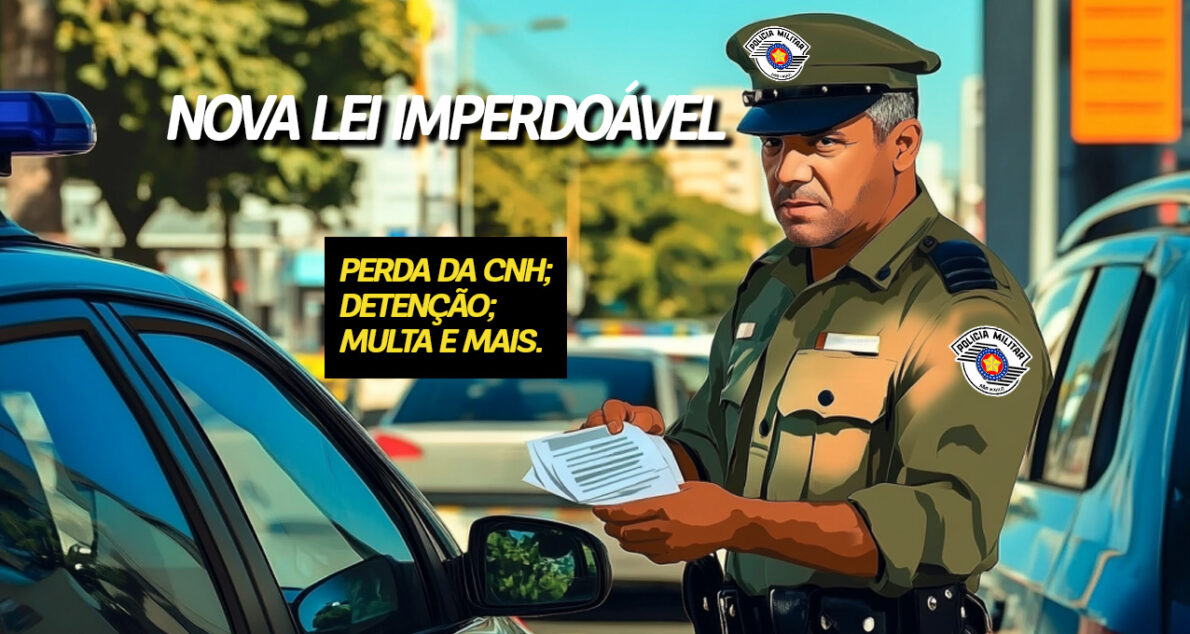


Proposals Under Analysis in the Federal Senate and the Chamber of Deputies Aim to Toughen Traffic Laws, Making Crimes Such as Intentional Homicide Non-Bailable and Increasing Penalties for Drivers Under the Influence of Alcohol or Drugs. The Changes Could Drastically Transform the Lives of Brazilian Drivers.
Imagine being behind the wheel and, in the blink of an eye, facing a new law that not only drastically increases penalties but also makes certain infractions practically unforgivable.
Sounds like a movie scene, right? But, in fact, this reality is getting closer, and the consequences could be devastating for anyone who does not pay attention to the changes.
The Federal Senate is currently analyzing a bill that could radically transform the Brazilian Traffic Code (CTB), imposing much stricter rules for drivers involved in accidents, especially those who consume alcohol or other psychoactive substances.
-
Unemployment rises again to 5.8% at the beginning of 2026, raising alarms about the end of temporary positions and its impact on the Brazilian job market.
-
Document organization can cut invisible costs in small businesses, a simple step that prevents waste, rework, and losses in daily operations.

-
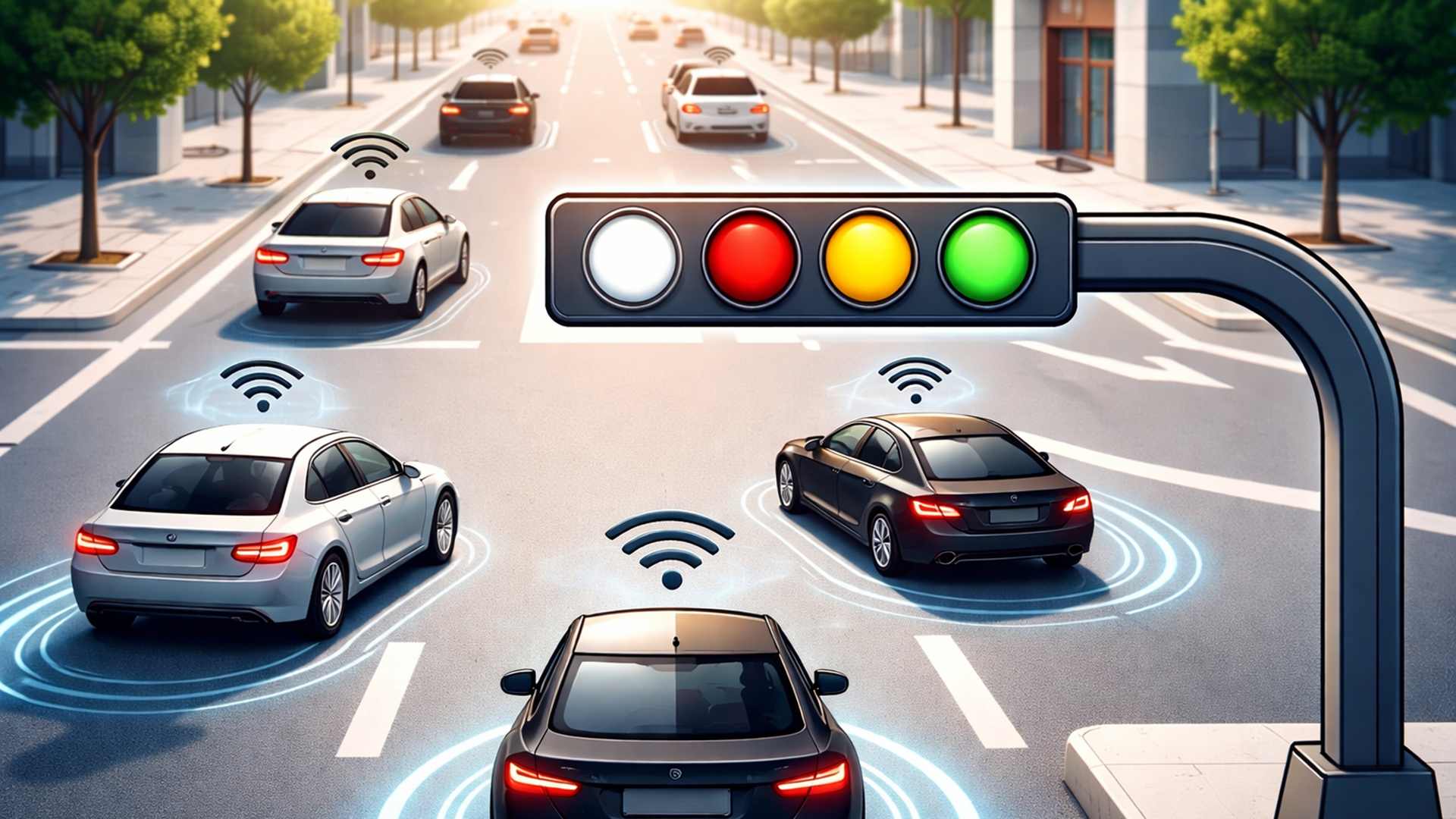
Engineers propose a fourth traffic light for intersections – the change promises to affect crossings, queues, and waiting times.
-
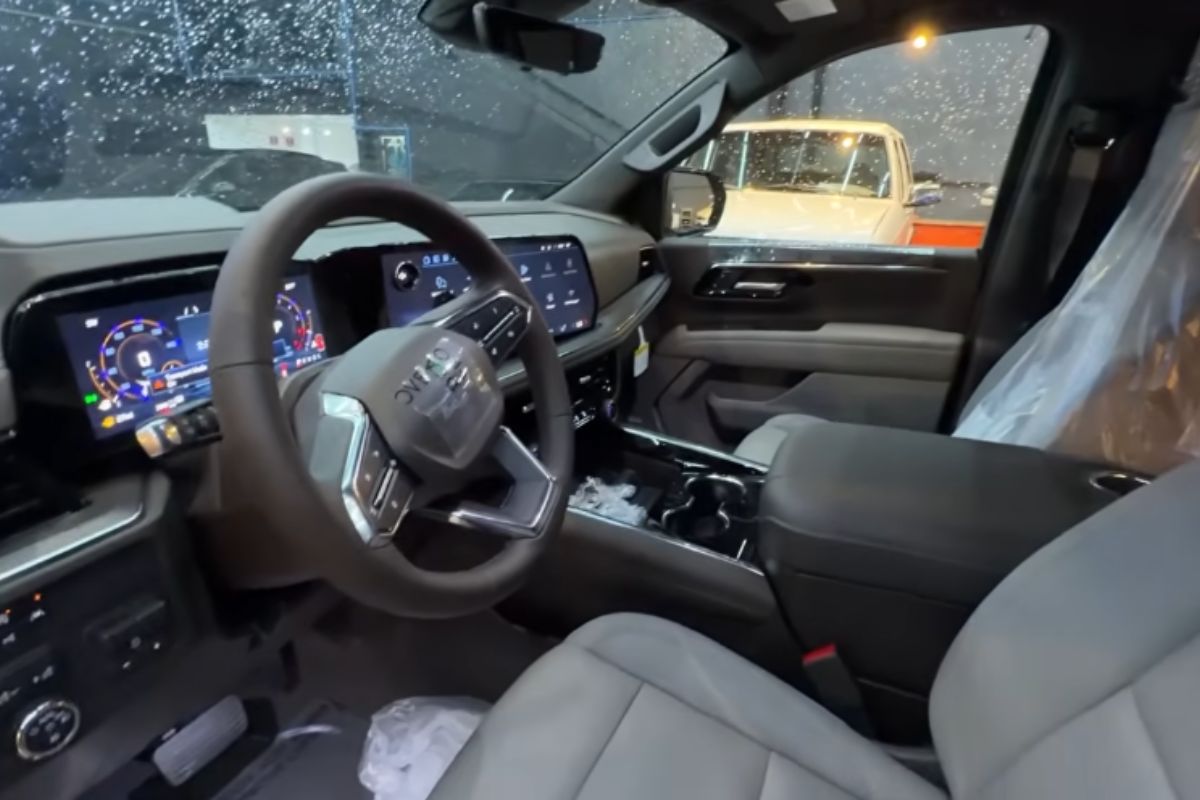
Chevrolet Suburban Z71 lands in Brazil with a V8 engine, off-road design, air suspension, seven seats, and colossal size, a rare version imported for around R$ 1.3 million with luxury and exclusivity.

Proposed Changes to the Brazilian Traffic Code
According to the Bill (PL) 1229/24, proposed by Senator Fabiano Contarato (PT-ES), any driver involved in a traffic accident will be required to undergo tests and examinations to detect the presence of alcohol or psychoactive substances in their system.
This change aims to close loopholes in the current legislation, which only suggests but does not require that the driver undergoes such tests. If the use of substances is proven and the accident results in death, the driver could face severe consequences: homicide will become a non-bailable crime, with no possibility of pardon or amnesty.
Contarato’s proposal, which amends Article 277 of the CTB, seeks to make the alcohol or drug test compulsory for drivers involved in serious accidents. Currently, the law states that the driver “may be subjected” to such tests, but with the new wording, this obligation will become unavoidable.
Furthermore, the bill also proposes an amendment to Article 301 of the CTB, determining the immediate arrest of the driver if alcohol or drug consumption is confirmed, even if they provided immediate assistance to the victim.
Justification for the New Legislation
The senator’s justification for these changes is the alarming increase in fatal traffic accidents, many of which involve drivers under the influence of psychoactive substances.
According to Contarato, the current legislation has failed in its preventive function, and it is necessary to toughen the rules to protect lives. “We can no longer tolerate impunity on the roads,” the senator stated in an official note.
Other Proposals to Toughen Penalties
Another proposal that is also in progress and promises to toughen penalties for traffic crimes is the PL 1002/2024, authored by Deputy Delegate Palumbo (MDB-SP). This project aims to include intentional homicide in operating a motor vehicle in the list of traffic crimes, with a prison sentence of six to 20 years.
Additionally, the bill proposes increasing penalties for cases of failing to assist, suggesting imprisonment of six months to one year and fines, rather than just one of these penalties, as currently stipulated.
These changes represent a direct response to the growing number of serious accidents in Brazilian traffic and the decreasing willingness of drivers to undergo breathalyzer tests.
According to Deputy Palumbo, the goal is to reinforce the responsibility of drivers and ensure that those who choose to drive under the influence of alcohol or drugs face the legal consequences of their actions.
“Taking the wheel under these conditions is like holding a loaded gun; the risk is real and the consequences can be fatal,” the parliamentarian emphasized recently when commenting on the project proposed by him.
These new measures have the potential to create a significant impact on the behavior of Brazilian drivers, but they also raise questions about the applicability and effectiveness of these penalties.
Are Stricter Laws Really the Solution to Reduce Traffic Accidents in Brazil? Leave Your Opinion in the Comments!









Eu creio que com essa lei em vigor, muitas vidas serão preservadas
Leis absurdas, como essa só visa coletar grana para cofres públicos , em vez de será solução para o problema.
Devemos apostar sempre na informação e conscientização dos cidadãos, sem as mesma jamais se alcançará o o objetivo desejado. Pra. Pedagoga.