





 Portuguese
  English
  Spanish
  3 min of reading
  24 comments


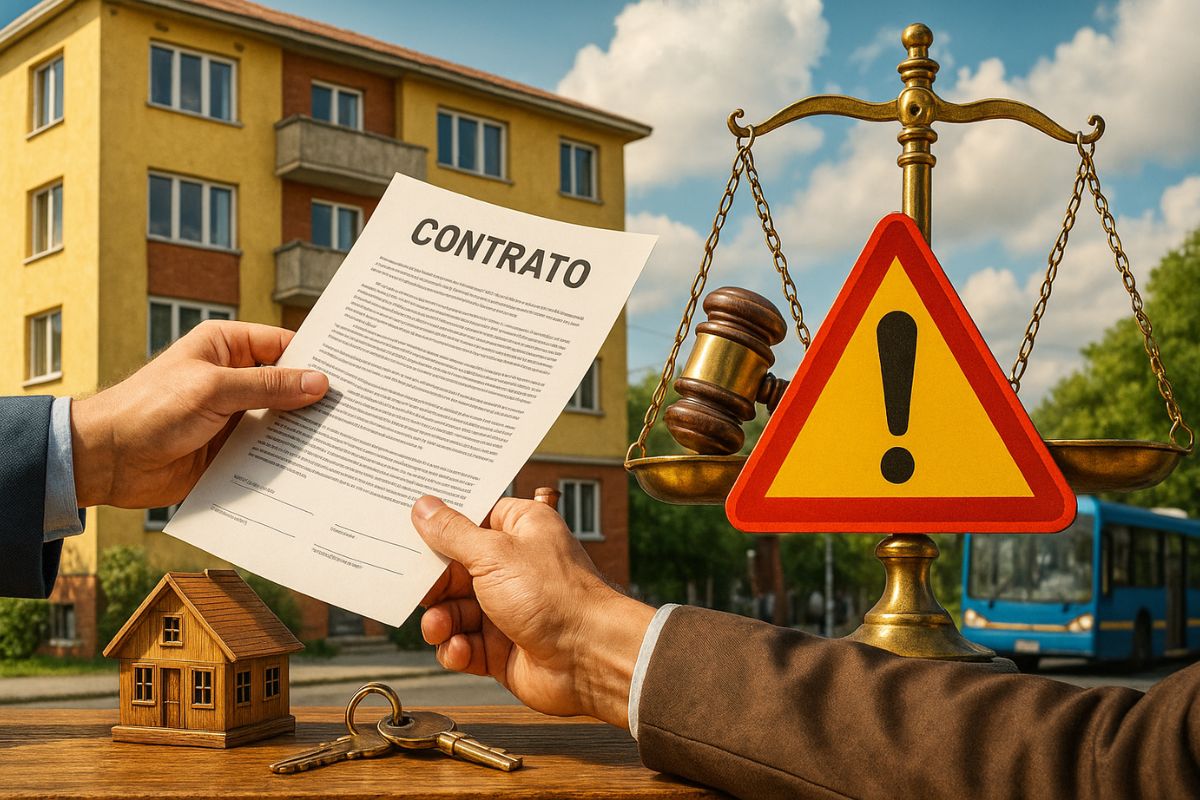


Changes Reinforce Balance Between Tenants and Landlords and Bring Direct Impact on Current Contracts
The new rental law, in effect since the updates to the Tenant Law, is already influencing the relationship between tenants and landlords across the country. With new guidelines for negotiation, adjustment, and formalization of contracts, the changes aim to make the rental market clearer, fairer, and adapted to the Brazilian economic reality.
The scenario of inflation, fluctuations in the real estate market, and legal disputes motivated the modernization of the rules. Now, both landlords and tenants have new parameters for renegotiations, contractual amendments, and adjustments, with greater emphasis on objective data and market practices.
What Changed with the New Rental Law?
The legal basis remains the Tenant Law (Law No. 8.245/1991), but with specific amendments that came into effect after revisions made in 2023. The main changes involve:
-
Mercado Livre “opens the vault” and announces a record investment of R$ 57 billion in Brazil in 2026, a value 50% higher than the previous year, with an expansion plan that includes 14 new logistics centers, totaling 42 units in the country and hiring an additional 10,000 employees.

-
How investment in technology can revolutionize the national economy and enhance industrial gains, according to a study that highlights the direct impact on productivity, innovation, and wealth retention within Brazil.

-
The largest food company on the planet, JBS, has just opened a 4,000 square meter laboratory in Florianópolis to develop customized proteins that modulate muscle mass gain, immune response, and metabolic performance.

-
After nearly 30 bids and competition among industry giants, a Spanish company purchases one of the largest airports in Brazil for almost R$ 3 billion and takes over the management of Galeão in a concession that will last until 2039.

- Incentive for Written Contract Formalization, with more objective and detailed clauses
- Increased Emphasis on Market Data for rental value reviews
- Clear Rules on Amendments, allowing specific adjustments without the need for a new contract
- More Defined Deadlines for Judicial Reviews, requiring active contracts for at least 3 years for revision actions
The changes do not revoke the essence of previous legislation, but reorganize sensitive points that generated legal doubts and disputes between the parties. Seasonal, commercial, and residential properties remain under the scope of the law, with exceptions only for autonomous parking spaces and apart-hotels.
How Do These Rules Affect Rental Negotiations?
In periods of high inflation, tenants gain bargaining power when arguing based on the devaluation of purchasing power. In overheated markets, with high demand for properties, the landlord tends to dictate the terms more firmly.
With the new rental law, the use of official economic indicators (such as IPCA, IGP-M, or INPC) has become even more valued to support adjustments. Furthermore, the law encourages negotiations based on:
- Comparative Analysis of Similar Properties
- Long-Term Contract Proposals
- Advance Payment Offers as a Sign of Good Faith
These strategies increase clarity in the contractual relationship and reduce the chance of future conflicts.
What is Contract Amendment and When Should It Be Used?
The new rental law reinforces the use of amendments for adjustments in active contracts. This means that if the parties wish to modify clauses such as the duration, rental amount, or payment method, there is no need to create a new contract, just draft a simple amendment, signed by both parties.
The amendment gains strength as a tool for specific renegotiations, especially in times of economic fluctuation or changes in property conditions. However, if there is no consensus, the revision action continues to be allowed, as long as the contract has been in effect for at least 3 years.
What is the Role of Location in Rental Negotiations?
Location remains the most determining factor in the value of a property, and this has not changed with the new legislation. Areas with good infrastructure, access to transport, security, and commerce are naturally more valued, which restricts the negotiation margin for tenants.
Periphery neighborhoods or those in development provide greater opportunity for bargaining, especially when demand is lower. A study of the local market is essential before finalizing a contract or starting a renegotiation.
What to Do to Maintain a Favorable Contract?
With the new rental law, maintaining a favorable contract depends on preparation, clarity, and alignment between the parties. Some good practices include:
- Formalizing all terms in writing
- Periodic Review of the Contract Based on Economic Indicators
- Updating Clauses via Amendments to Avoid Litigation
- Using Official Records and Documents to Support Revision Requests
The current legislation also favors transparency and encourages both parties to document all agreements, including message exchanges and payment receipts.
Do you think the new rental law brings more balance for tenants and landlords? Have you had to renegotiate your contract in recent months? Share your experience in the comments—we want to hear from those living this day-to-day.










Acho importante adicionar uma informação de relevante interesse não apenas dos inquilinos, como dos proprietários.
As imobiliárias insistem na formalização de novos contratos, ao final da vigência dos prazos originais (ou renovações) porque ela podem cobrar “mais caro” dos proprietários (redação, comissões de nova originação, etc), quando um singelo aditamento “resolve tudo”, com absoluta garantia e proteção jurídica para as partes — mas gera menos receitas para elas mesmas, as imobiliárias.
Por isso, é muito importante que locatários (inquilinos) e locadores (proprietários) fiquem atentos a essa maliciosa forma de conduta, que além do indevido e execrável constrangimento que geram às partes, geram prejuízos aos proprietários, obrigados a pagar a mais, quando absolutamente desnecessário.
Aos proprietários, inclusive, quando os contratos se tornem pir prazo indeterminado (aditamentos), passam ater até a garantia da “denúncia vazia”, se por acaso vierem a precisar do imóvel, respeitados os direitos dos inquilinos.
Portanto, prestem sempre atenção se há mesmo ou não necessidade de novos contratos em vez de simples aditamentos.
Meu pai passou duas casas para usufruto dos 3 filhos. Uma casa está alugada e o contrato que já tem 3 anos está em nome de meu pai. Sou procuradora dele. Os filhos devem fazer outro contrato constando o usufruto?
Fui passada pra trás pela imobiliária assinando um contrato de doze meses quando não era minha intenção morar só doze meses, agora a imobiliária quer me tirar do imóvel, o que fazer?
Locação residencial, o contrato deve ser de no mínimo 3 anos, se a Imobiliária fez por um ano, está errado, você pode permanecer no imóvel e considerar o vencimento 3 anos após assinatura.
Você assinou e deve sair da casa o contrato tem prazo você não foi enganada voce concordou.
Retomada no fim do prazo: se o contrato é de prazo determinado (ex.: 12 meses) e o proprietário notificar que não quer renovar, ele pode exigir a saída ao término (art. 46).
Se o contrato se fosse indeterminado renovado automaticamente sim teria até 5 anos mas sinto muito você errou e a imobiliária não.
A imobiliária não errou se o contrato for de 6 meses tem 6 meses.
Se for de 12 meses deve sair fazendo 12 meses .Contrato de prazo determinado: termina na data combinada se houver aviso prévio de não renovação.
Sem aviso prévio: contrato vira indeterminado e o inquilino só é obrigado a sair com 30 dias de antecedência após notificação.
Multa só vale para saída antecipada, não para permanência após vencimento