





 Portuguese
  English
  Spanish
  3 min of reading
  0 comments


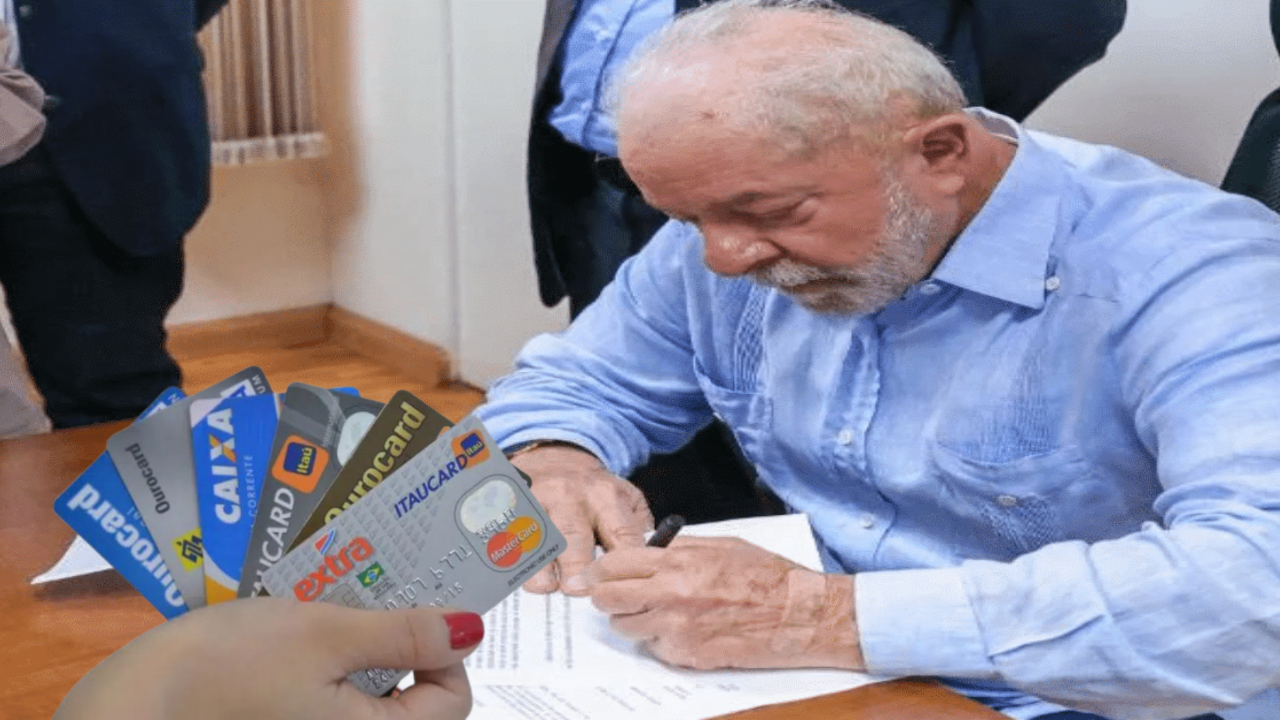
New Law Limits Abusive Credit Card Interest Rates! Government is Changing the Rules of Revolving Credit to Protect Brazilians’ Finances from Debt
Do you have credit card debt? Starting in January 2024, Brazil will have a new law that sets limits on the interest rates for revolving credit on credit cards. This legislation, signed by President Luiz Inácio Lula da Silva, is part of the Desenrola Brasil Program and aims primarily to combat abusive interest rates and the growing indebtedness of consumers.
Revolving credit is one of the most expensive lines of credit in the country, and the new measure seeks to bring greater financial balance to Brazilian families. Established by Law No. 14.690/2023, enacted in October 2023, the initiative aims to reduce the impacts of high interest rates on consumers.
How the New Credit Card Interest Law Works
The legislation stipulates that if a consumer is unable to make full payment on their credit card bill, the accumulated debt cannot exceed twice the initial amount. For example, a debt of R$ 200 cannot exceed R$ 400, including interest and other charges. However, it is important to emphasize that this rule only applies to debts incurred starting in 2024, creating a new level of financial protection for credit card users.
-
A new Brazilian shopping center worth R$ 400 million will be built in an area equivalent to more than 4 football fields, featuring 90 stores, 5 cinemas, a supermarket, a college, and parking for 1,700 cars, potentially generating 3,000 jobs.

-
Larger than entire cities in Brazil: BYD is building a 4.6 km² complex in Bahia with a capacity for 600,000 vehicles per year, but the discovery of 163 workers in conditions analogous to slavery has shaken the entire project.

-
With an investment of R$ 612 million, a capacity to process 1.2 million liters of milk per day, Piracanjuba inaugurates a mega cheese factory that increases national production, reduces dependence on imports, and repositions Brazil on the global dairy map.

-
Brazilian city gains industrial hub for 85 companies that is equivalent to 55 football fields.


This new law represents a significant step forward in controlling revolving credit, a modality notoriously associated with abusive interest rates. The regulation seeks to prevent debts from becoming unmanageable, promoting greater transparency and predictability in credit card usage.
Credit Card Interest Rates Are Still Extremely High
Even with the implementation of the new law, credit card interest rates remain high in Brazil. The Central Bank revealed that in September 2024, revolving credit interest rates reached an impressive 438.4% per year, up from 426.9% in August. These numbers show that, despite the new legislation, the Brazilian financial environment still presents significant challenges.
High credit card interest rates are justified by the lack of guarantees and the high risk of default, inherent characteristics of revolving credit. This reality reinforces the need for regulations like the new law signed by the Lula Government, which aims to balance the market and make access to credit more feasible for consumers.
New Government Law Promises Financial Balance and to Save Brazilians’ Finances
The Lula Government, in partnership with the National Monetary Council, developed the new law to provide fairer and more predictable interest rates for consumers. According to Minister of Finance Fernando Haddad, the initiative is crucial to help Brazilians better organize their finances and face the impacts of abusive credit card interest rates.
By establishing clear limits for revolving credit, the measure contributes to creating a more balanced economic environment. This initiative allows consumers to protect themselves from excessive indebtedness, helping them manage their debts more effectively.
Impacts of the New Law on Family Budgets
The new rule brings important relief to workers, especially those facing financial difficulties due to high credit card interest rates. By limiting the impact of revolving credit, the legislation seeks to reduce indebtedness and give families the opportunity to regain their financial health.
Although the new law does not completely eliminate charges such as IOF, its implementation represents a significant step toward building a more favorable economic scenario. For many Brazilians, this change means the chance to reorganize their finances and avoid default.
New Law and the Reduction of Default
One of the main expectations of the new law is to reduce default rates, creating conditions for a more sustainable credit system. With clear limits on credit card interest rates, it is expected that consumers will adopt more responsible financial practices.
The new legislation combats abusive interest rates and encourages a more balanced and predictable credit market. In this way, the Lula Government seeks to promote an economy where consumers have greater control over their debts and can make more informed financial decisions.










-

-

-

-

9 pessoas reagiram a isso.