





 Portuguese
  English
  Spanish
  5 min of reading
  5 comments





New Requirement of INSS Requires Judicial Authorization for New Payroll Loans Made in the Name of Incompetent People, Changing the Routines of Banks, Caregivers, and Guardians. The Measure Seeks to Reinforce Legal Protection and Prevent Credit Fraud.
New law from the INSS requires a court order for payroll loans in the name of incompetent persons without a court order: who is affected, how to check it, and what to do
The INSS has reinstated the need for judicial authorization for new operations of payroll loans in benefits for legally incompetent individuals.
This change was formalized by the Normative Instruction (IN) 190/2025, published in August, and prevents banks and correspondents from concluding contracts solely with the signature of the legal representative.
-
The noise law will no longer be in effect at 10 PM starting in June with a new rule valid during the 2026 World Cup.

-
The Chamber opens a debate on driver’s licenses at 16 years old as part of a reform that includes around 270 proposals to change the Brazilian Traffic Code and may redesign rules for licensing, enforcement, and circulation in the country.

-
The new Civil Code could revolutionize marriages in Brazil with “express divorce” and changes that could exclude spouses from inheritance.

-
Banco do Brasil sues famous influencer for million-dollar debt and intensifies debate on delinquency, risks of seizure, and direct impact on Gkay’s credibility.


The agency emphasizes that the rule applies to future contracts; agreements made before the regulation’s enforcement are not automatically annulled and remain subject to verification of compliance and potential administrative or judicial contestation.
The guidance aligns the procedures for payroll loans with the Civil Code and results from court decisions that indicated an overreach of authority in previous rules that had waived, by administrative act, the judge’s order.
At the same time, the INSS mandated the adoption of a standardized authorization form for data access, to be filled out by financial institutions, with the aim of providing essential operational information and the available consignation margin.
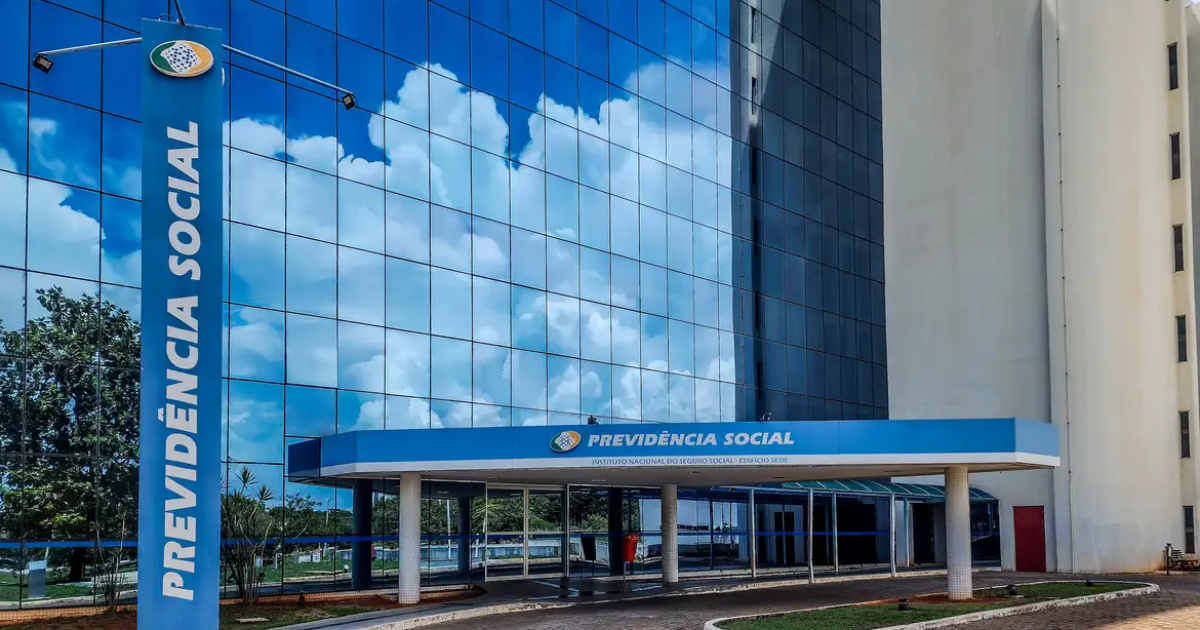
Who Is Affected by the Judge’s Requirement
The scope of IN 190/2025 involves individuals considered incompetent for civil acts.
This group includes minors under guardianship or custody and adults under curatorship by court decision.
Even when there is a tutor, guardian, or curator, contracting a new payroll loan with direct deductions from the benefit requires specific judicial authorization.
In practice, it is not enough to present representation documents outside of the judicial process.
The financial institution must ensure that there is a decision from the judge permitting the intended operation.
This requirement adds to the existing controls regarding margin, preventive blocks, and identity verification of the beneficiary.
Requirements for Banks and Correspondents
Banks and correspondents are prohibited from formalizing new payroll loans in the name of incompetent individuals without presenting a court order.
Proposals, whether in-person or remote, that do not include express authorization must be refused.
Additionally, the INSS standardized form must be filled out, enabling the validation of registration data, confirmation of the benefit conditions, and checking of the available margin.
The aim is to create a clear documentary trail capable of demonstrating that the institution verified the valid judicial authorization and the eligibility of the benefit before contracting.
The absence of these records may constitute a compliance failure and expose the operation to annulment.
Previous Contracts and Contestation
The normative instruction does not automatically invalidate contracts entered into under the old rules.
However, the avenues for contestations and revisions remain open if there are indications of irregularity, fraud, or consent defects.
Beneficiaries and legal representatives who identify unrecognized deductions may request the verification of the contractual link and ask for the suspension of charges when there are elements suggesting an issue with the origin of the debt.
How to Check Active Payroll Loans
The primary way to verify the existence of active payroll loans is the Loans and Payroll Deductions Statement via the official INSS channels (app or Meu INSS, in addition to Central 135).
The document contains deducted amounts, identification of the lending institution, timelines, and outstanding balance.
It is advisable to check the statement regularly, especially when the holder does not carry out new operations but notices a reduction in the net amount received.
Upon finding discrepancies, the responsible party should file a contestation with a protocol number and request a preventive block to impede new contracts until the facts are clarified.
How to Act in Case of Irregular Proposals
In the face of credit offers in the name of an incompetent person without a judicial decision, the guidance is to not share personal data, not sign any document, and report the incident to INSS’s service channels.
If a proposal or contract is opened without the due authorization, it is possible to request the immediate blocking of the margin, file an administrative contestation, and, if any deductions have already been made, request reimbursement according to the agency’s procedures.
If suspicion of fraud persists, it is advisable to notify the competent authorities.
Other Protection Measures Under Discussion
In addition to the judicial order requirement for incompetent individuals, legislative measures are advancing to reinforce barriers against scams in payroll loans.
The Chamber of Deputies approved, on September 4, 2025, a project that tightens authorization for deductions from benefits and establishes automatic blocking of the benefit after each contract, requiring a specific unblocking procedure for a new operation.
The text also provides for robust authentication, such as biometrics and qualified electronic signatures, and has been forwarded to the Senate.
Meanwhile, the Senate approved, on October 1, 2025, a proposal that prohibits granting payroll loans without the express manifestation of the beneficiary and resent the project to the Chamber for analysis of the changes.
Although they address distinct fronts — administrative and legislative — the measures converge to difficult unauthorized contracts and reduce commercial pressure on vulnerable populations.
Impact on Families and Caregivers
The return of judicial approval tends to shift requests to the procedural realm, allowing the judge to assess the family context, purpose of the credit, and risk of over-indebtedness of the household dependent on the benefit.
By requiring prior decisions, the persistent approach of offerors by phone or during visits also decreases, as the magistrate’s authorization becomes a precondition for contracting.
The action of the Public Prosecutor’s Office and the Public Defender’s Office in guardianship and curatorship proceedings reinforces protection, allowing for a review of financial conditions and burdens before the start of deductions.
Transparency and Documentation
Financial institutions must maintain records proving the verification of the judicial order, eligibility of the benefit, and available margin.
Beneficiaries and legal representatives, in turn, need to file copies of the decisions, authorization forms, and communications exchanged with banks and the INSS.
These documents facilitate service, subsequent audits, and any revisions.
With the rule already in force and legislative bills advancing to expand layers of authentication and operational locks, the priority continues to be the preservation of the income of the incompetent holder and the traceability of each step leading to contracting.
Do you consider the requirement of judicial order sufficient to curb abuses in payroll loans in the name of incompetent individuals, or should banks adopt additional verifications even before presenting any proposal?









Engraçado, Depois de roubarem os aposentados, agora o governo vem dá uma de honesto. Porque não fez isso antes? quando já havia recebido os alertas?..
unca recebo a letra estou e dificuldade financeira indi vidado com o o n ss
Quero umo revisão na Aposentadoria meu salário está defasado José Geraldo Soares Filho
Governo hipócrita, quando são eles a roubar aí tudo bem
Se informe melhor. O WhatsApp das tias e dos pastores mentem. Agora,se para você tudo bem ser ovelha,papagaio de versículos e enriquecer como escrava voluntária os vendilhões do templo,respeito sua opção.