





 Portuguese
  English
  Spanish
  3 min of reading
  0 comments


Current Framework And Transformative Proposal
Since 2013, the current ports law has shown progress, but has become outdated, according to experts consulted by the Brazilian Institute of Infrastructure (IBI).
The Chamber of Deputies forwarded the preliminary draft delivered by Ceportos in October 2024 as PL 733 in February 2025.
Deputy Leur Lomanto Júnior presented the project.
-
São Paulo surprises the world with a colossal railway network project that promises over 1,000 km of tracks, R$ 194 billion in investments, and 40 projects connecting the capital to the interior with fast and sustainable trains.

-
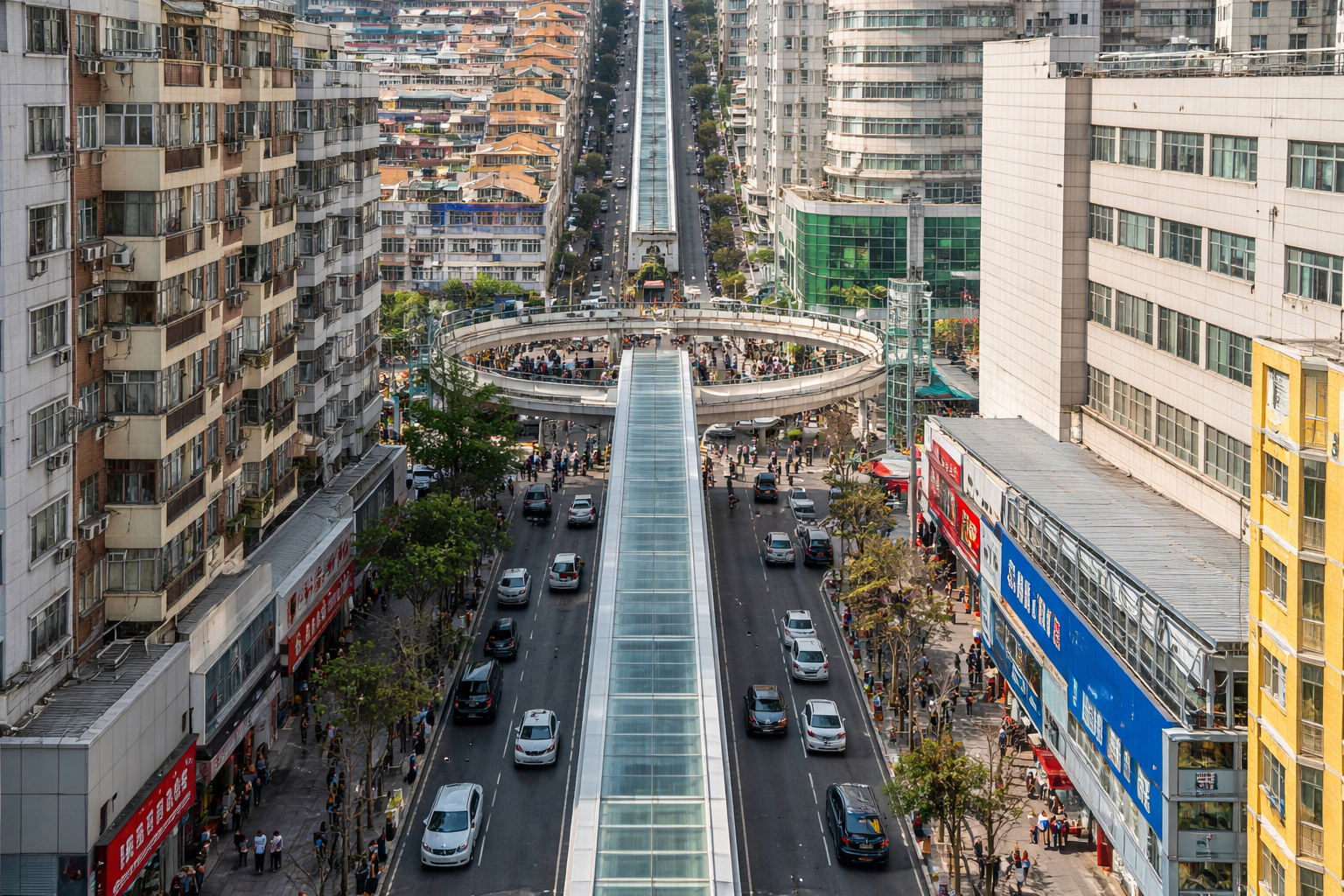
The world’s largest escalator, measuring 905 meters in China, reduces urban travel time from 1 hour to about 20 minutes and transforms mobility in mountainous regions with an engineering solution adapted to the terrain.
-
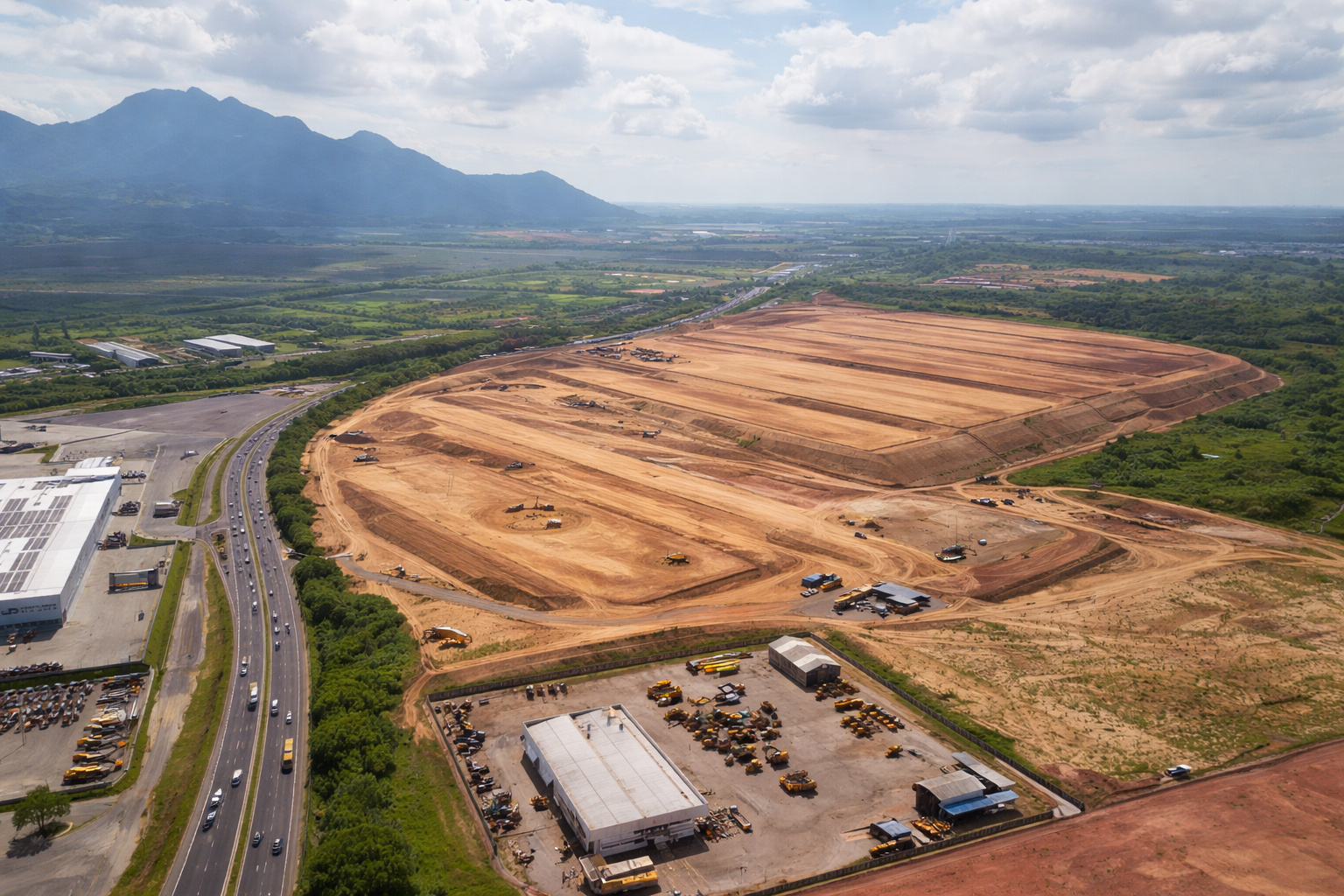
A R$ 300 million logistics giant is taking shape in Serra with over 100,000 m² and raises a question: how can this transform e-commerce and distribution in the state?
-
Could Uber Rides Lose Minimum Fare? Understand What’s Happening!

The proposal aims to simplify processes and strengthen the legal security of investors, which could accelerate future concessions, according to Marcelo Sammarco, vice president of IBI.
Currently, authorities can take up to five years to authorize new investments, making this vital.
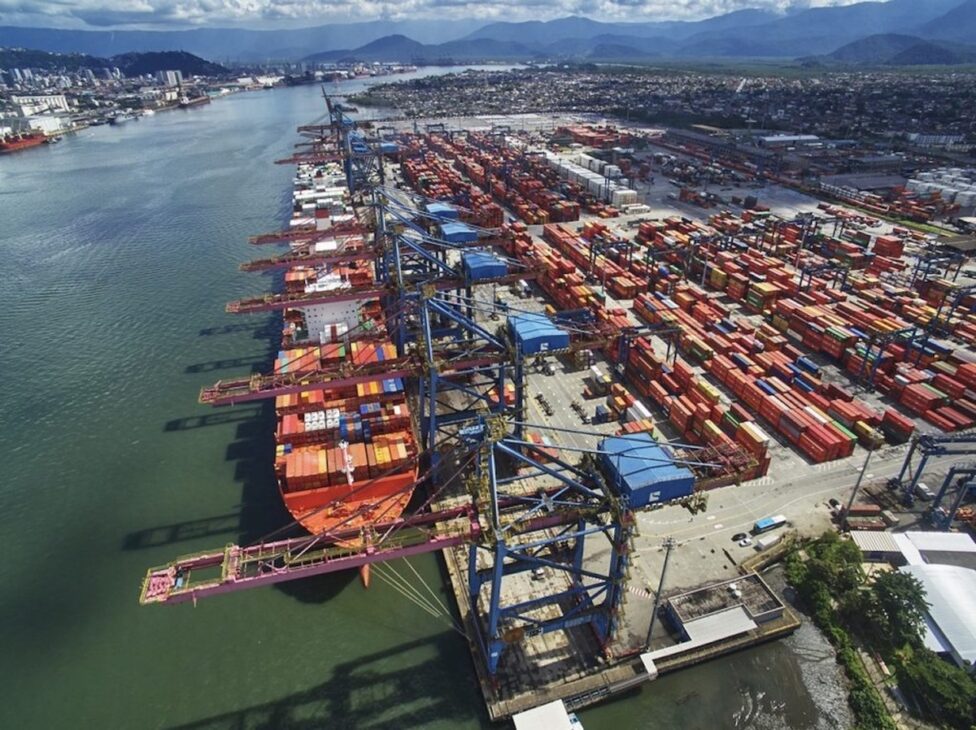
One example is Tecon Santos 10, at the Port of Santos, which is expected to handle 3.5 million TEUs annually.
Legal Innovations And Institutional Transparency
In addition to speeding up authorizations, the PL grants new prerogatives.
Port agents and Antaq will have expanded powers as the granting authority.
The Ministry of Ports and Airports will have a more strategic role.
Private investments may proceed without prior authorization, with goals and indicators provided in management contracts.
This vision was advocated by Deputy Paulo Alexandre Barbosa.
There is also unification of the maximum lease term to up to 70 years for public benefit.
This point brings important predictability for the port sector.
Environmental Licensing And Competitiveness
Until now, each port terminal required an environmental license individually, which created excessive processing, especially in complexes like Santos, with dozens of terminals.
With the PL, the environmental licensing will apply to the entire complex.
This means less bureaucracy, greater efficiency, and reduction of carbon emissions.
The executive director of Abac, Luiz Fernando Resano, highlighted that cabotage handled 1.5 million TEUs in 2024.
This was the second largest volume of the decade.
This activity avoided about 1 million road trips and reduced emissions by up to four times.
Additionally, according to Resano, the use of biodiesel could virtually eliminate emissions in domestic maritime transport.
Economic Gains And International Agenda
The project also responds to OECD recommendations, a relevant international organization. Furthermore, in a 2022 report, the entity suggested port autonomy and fewer agencies in contractual changes.
Consequently, adopting these measures could generate between R$ 639 million and R$ 933 million annually, according to estimates. Additionally, this figure was considered conservative, as indirect gains were not included.
Currently, Brazil ranks 104th in port efficiency among 138 countries evaluated by the World Economic Forum’s Global Competitiveness Index. Therefore, the numbers reveal significant lag.
Moreover, port processes in the country involve up to 18 steps, with an average wait of 16 months. However, in the Philippines, the average is only 85 days.
Finally, this data was confirmed in a study by the OECD in partnership with Cade, reinforcing the urgency of changes. After all, inefficiency undermines national competitiveness.









Seja o primeiro a reagir!