





 English
  Francês
  Alemão
  Italiano
  Japonês
  Norueguês
  Portuguese
  Spanish
  4 min of reading
  0 comments



Approximately 6.7 Million Cars Could Be Exempt From IPVA Payment If A New Law Is Approved. The Proposal Aims To Unify IPVA Exemption Rules For Vehicles Over 20 Years Old, Offering Relief For Millions Of Drivers
Owners of older cars are about to gain a financial problem. A new law (PEC 72/2023) approved by the Senate seeks to exempt vehicles over 20 years old from IPVA, unifying the rules that currently vary from state to state. It is estimated that the proposal will benefit around 6.7 million automobiles nationwide, including vehicles from states where this authorization does not exist, such as Minas Gerais and Pernambuco, according to the website newsmotor.
Currently, the IPVA exemption rules differ in each federal unit. In some states, such as Amapá and Roraima, authorization already occurs after 10 years of manufacture. Other states, such as São Paulo and Rio Grande do Sul, already follow the 20-year rule, but places like Santa Catarina, Alagoas, Minas Gerais, and Tocantins will have to adapt to the change.
How Can The IPVA Authorization Work?
The new law aims to eliminate regional differences regarding IPVA for old cars. Currently, some states offer exemptions starting from 10, 20, or even 30 years of manufacture, while in others, the exemption simply does not exist. With PEC 72/2023, vehicles over 20 years old across Brazil will be automatically exempt.
-
Engineers propose a fourth traffic light for intersections – the change promises to affect crossings, queues, and waiting times.

-
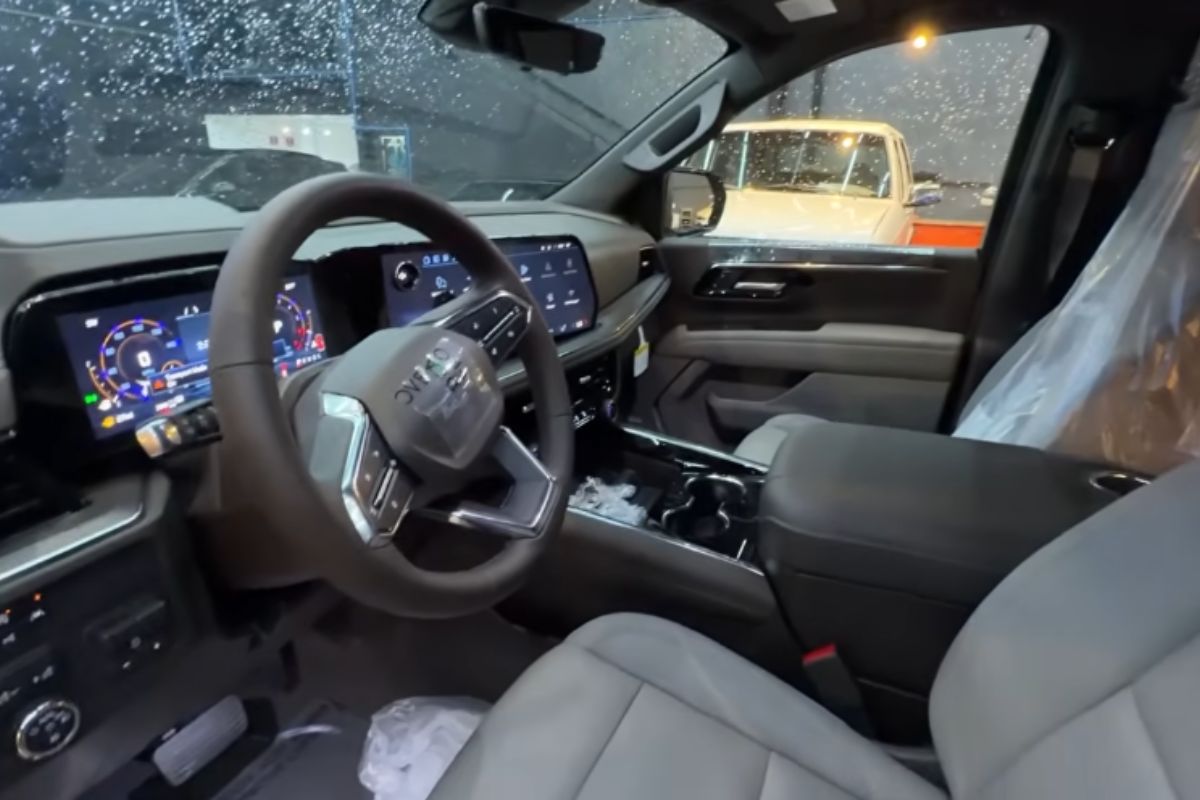
Chevrolet Suburban Z71 lands in Brazil with a V8 engine, off-road design, air suspension, seven seats, and colossal size, a rare version imported for around R$ 1.3 million with luxury and exclusivity.
-
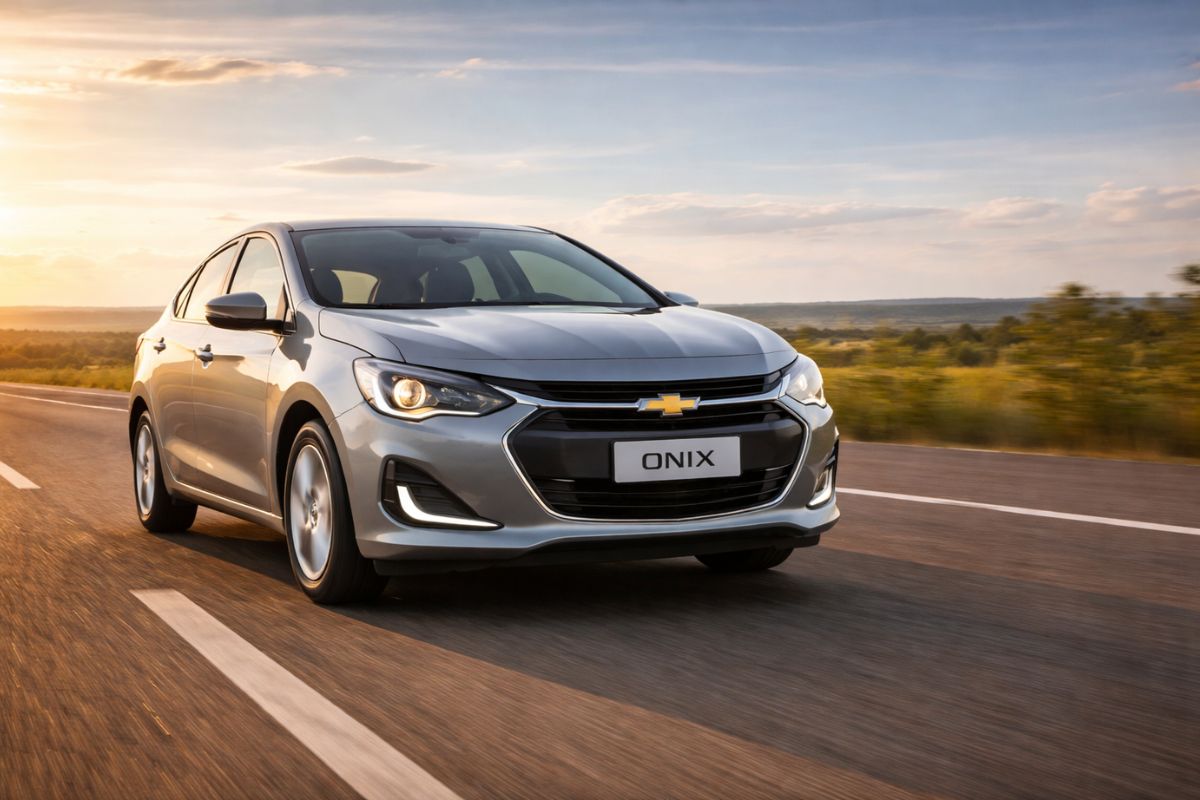
The Chevrolet Onix 1.0 turbo achieves 17.7 km per liter on the highway and ranks among the three most economical cars in Brazil in 2026, alongside two more expensive Toyota hybrids available at dealerships.
-
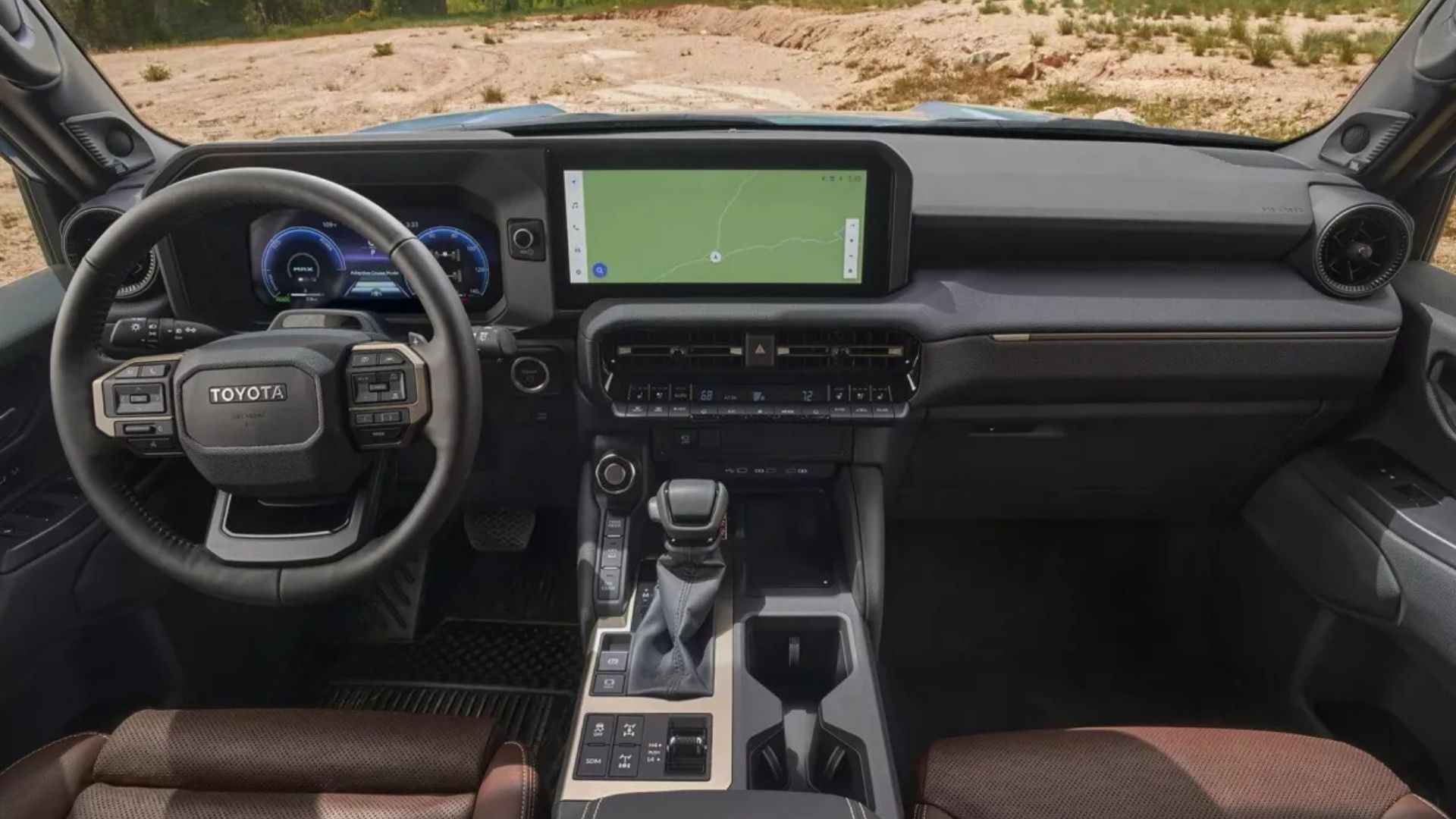
Little sister of the Hilux: Toyota launches Land Cruiser FJ with 4 radical versions, 2.7 engine with 166 hp and 4×4 traction with locking.

The text of the proposal, authored by Senator Marcos Rogério (PL-RO), was adjusted to ensure that the change will affect only the states that have deadlines longer than 20 years. This means that in states where the exemption is granted earlier, such as Amapá and Roraima, nothing will change. The goal is to standardize legislation and relieve the tax burden on owners of older vehicles.
Exempt Cars: Who Are The Beneficiaries?
If the new law passes through the Chamber of Deputies, cars manufactured from 2004 will be exempt from IPVA. This means that, starting in 2024, models popular among Brazilians will no longer generate the dreaded annual tax bill.
Check out some examples of vehicles that will be on the authorized list:
· Chevrolet Celta Super (value between R$ 16,000 and R$ 18,000)
· Ford Fiesta Class (average price of R$ 15,000)
· Volkswagen Polo Mi (around R$ 20,000)
· Citroën C3 Exclusive (starting at R$ 13,000)
· Fiat Palio Fire ELX 2004 (prices between R$ 15,000 and R$ 16,000)
These popular models are exempt from payment, providing a budget relief for owners. Who wouldn’t want to save a few thousand reais a year? “It’s like taking a stone out of your shoe,” many would say.
What Are The Next Steps For The New Law?
Although the proposal has been approved in the Senate, it still needs to go through some important steps before becoming a reality. Now, PEC 72/2023 goes to the Chamber of Deputies, where it will be voted on. If approved, the new law will come into effect, and the rules will begin to apply nationwide.
The IPVA exemption is a topic that generates great interest, especially among owners of old cars. Many are already looking forward to this change, which could represent a significant long-term saving. After all, with rising inflation and the cost of vehicle maintenance, any relief is welcome.
The Impact Of The New Law On The Automotive Market
The possible IPVA exemption for old cars will not only benefit millions of Brazilians but could also impact the used vehicle market. Cars over 20 years old may become more valued, as they are free from one of the biggest costs for owners.
With the new law, the market for old cars may gain a new boost, attracting both collectors and drivers seeking cheaper alternatives with lower taxes. Additionally, there is an expectation that this authorization will lead to better vehicle preservation, as many will continue to operate with reduced associated costs.
The New IPVA Law
The new law aimed at IPVA exemption for cars over 20 years of manufacture could represent a significant break for millions of drivers. If we approve it, we advance toward standardizing the rules throughout the country, making the tax fairer and more accessible for everyone.
Now, we must await the next steps in the Chamber of Deputies and hope that the benefits reach the garages of so many Brazilians soon.







Seja o primeiro a reagir!