





 Portuguese
  English
  Spanish
 4 min of reading
  0 comments


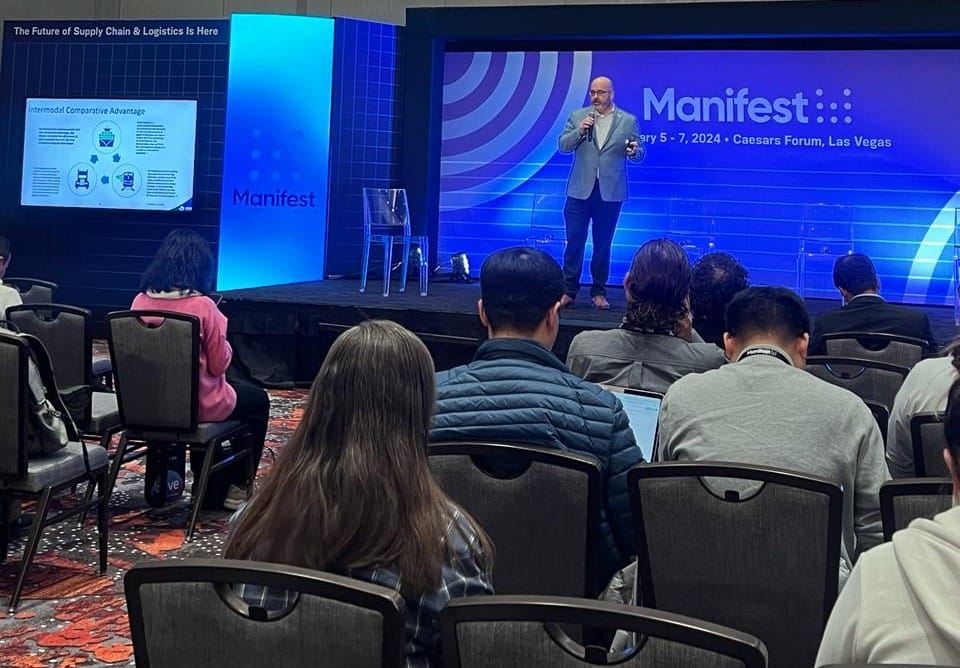
Stephanie Amaral – Head of Business Development LATAM at LOTS Group
We live in a context of constant progress, where the formulation of strategies for the future of logistics is essential for the success of global transportation. Recently, the Manifest conference held in Las Vegas brought together influential leaders from the industry, aiming to analyze the key pillars that will guide the industry in the coming years.
Artificial Intelligence was one of the central themes of the event. Although the technology already plays a role in major innovation trends, it is important to understand that its focus should not only be on creating revolutionary systems but also on its effective utilization. With so many solutions emerging, the ability to think differently and add value to existing processes is what will make businesses increasingly sustainable, integrated, human, and consequently, profitable.
The integration of AI is no longer just a competitive advantage but has become an immediate necessity. Identifying its applications in our routines is an urgent demand and propels us toward a future that, in reality, is already materializing in the present. Only then can we effectively make processes scalable, enabling efficient resource allocation with a strategic and structured focus – essential in any action plan.
-
São Paulo surprises the world with a colossal railway network project that promises over 1,000 km of tracks, R$ 194 billion in investments, and 40 projects connecting the capital to the interior with fast and sustainable trains.

-
The world’s largest escalator, measuring 905 meters in China, reduces urban travel time from 1 hour to about 20 minutes and transforms mobility in mountainous regions with an engineering solution adapted to the terrain.

-
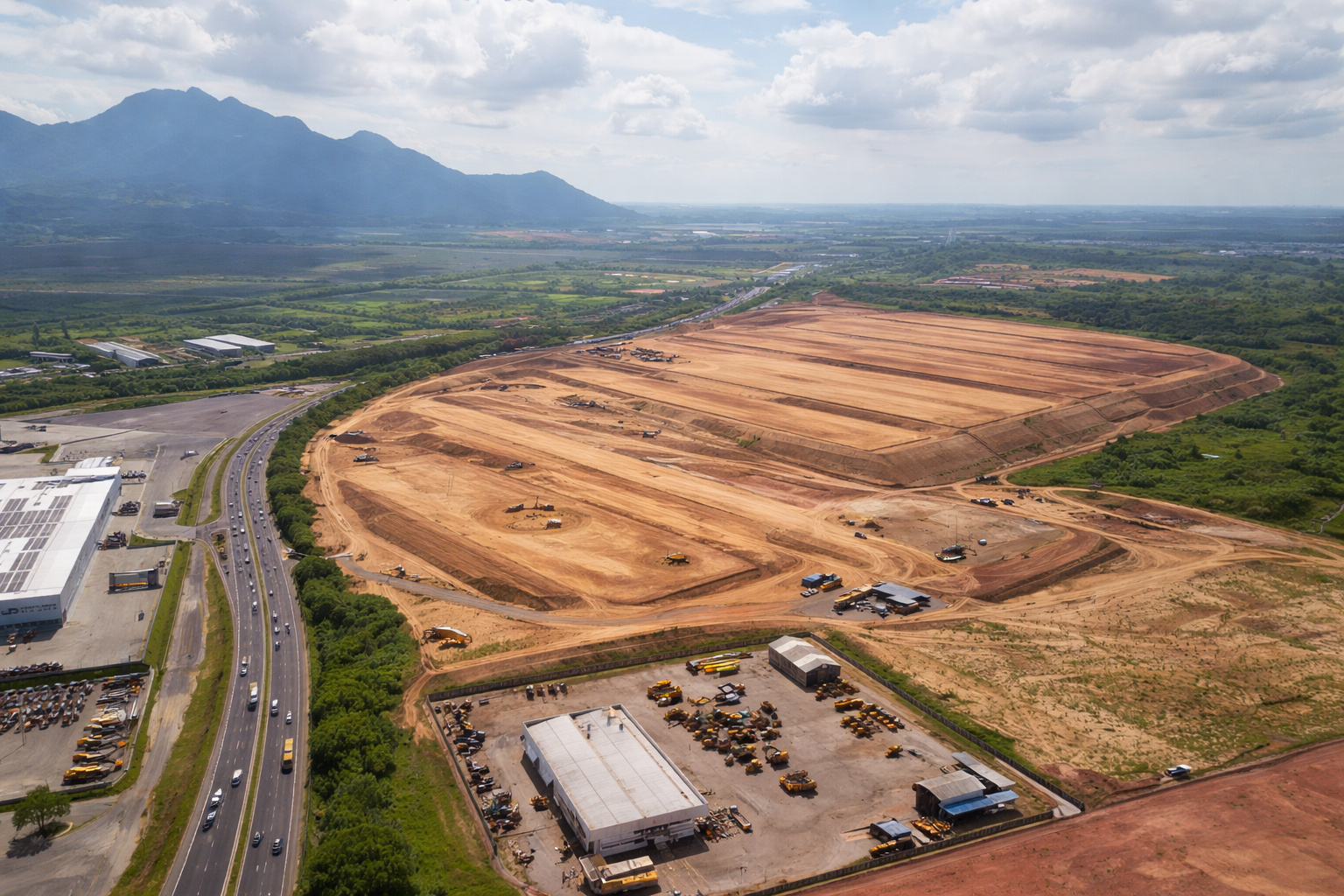
A R$ 300 million logistics giant is taking shape in Serra with over 100,000 m² and raises a question: how can this transform e-commerce and distribution in the state?
-
Could Uber Rides Lose Minimum Fare? Understand What’s Happening!

It is in this sense that the concept of “human-centric” also stood out in the discussions at the high level. The proximity between AI and the human experience emerges as an essential accelerator for logistical innovation: while technology offers efficiency in analyzing massive data and predicting patterns, human ability comes into play, providing insight, intuition, and a more accurate understanding of context. This convergence not only accelerates operations but also enhances decision-making, ensuring a more complete and adaptable approach.
Thus, the concept of workforce emerges, with this potential being the combination of technology, which works with greater precision, and people, who contribute with the unique ability to think innovatively and add to the strategy in various ways. The diversification of knowledge serves not only as a facilitator of the holistic E2E view of processes but also as a key point for the flourishing of creativity. In this context, it is up to companies to invest in empowering their teams, supporting the development of skills and interpersonal competencies to attract and retain talent in this new era.
From these initiatives, it is possible to take some steps regarding the creation of culture and purpose. This approach not only strengthens internal cohesion and engagement but also generates a more prepared and motivated team to face the challenges of constant market disruptions.
Furthermore, it is essential to recognize the growing importance of sustainable trends in the logistics sector. Alignment with environmental treaties and carbon reduction targets is categorical for long-term sustainability. Initiatives aimed at energy efficiency, the use of clean technologies, and improvements in transportation practices contribute not only to environmental preservation but also to compliance with regulations and the establishment of a responsible corporate image. By incorporating these practices, companies do not only respond to global environmental challenges but also position themselves as innovative and socially responsible leaders. This approach resonates positively with consumers and business partners, establishing a solid foundation in the modern logistics landscape.
Finally, considering all these points, cooperation stands out more than ever. Whether it is between technologies and people, strategic partnerships between companies, or engagement among various stakeholders, it is one of the fundamental pillars for the development of the logistics future. The synergy among all these agents promotes a shared effort of resources and knowledge, resulting in more robust and resilient supply chains. Moreover, cooperation not only drives innovation but also creates a more connected and adaptable logistics ecosystem, capable of facing emerging challenges with agility and effectiveness.
LOTS Group is already optimizing its operations, aimed at reducing CO2 emissions and promoting sustainability. By uniting technology and human knowledge, we strengthen our capacity to drive innovation, reinforcing our commitment to efficient logistics. Adopting this collaborative approach not only reflects our mission but also becomes an essential part of it. We seek to face the future challenges of global transportation in an integrated and sustainable manner, aligning ourselves with the emerging trends in the sector. And you, how do you imagine these new trends applying to your business?







Seja o primeiro a reagir!