





 Portuguese
  English
  Spanish
  5 min of reading
  1 comment


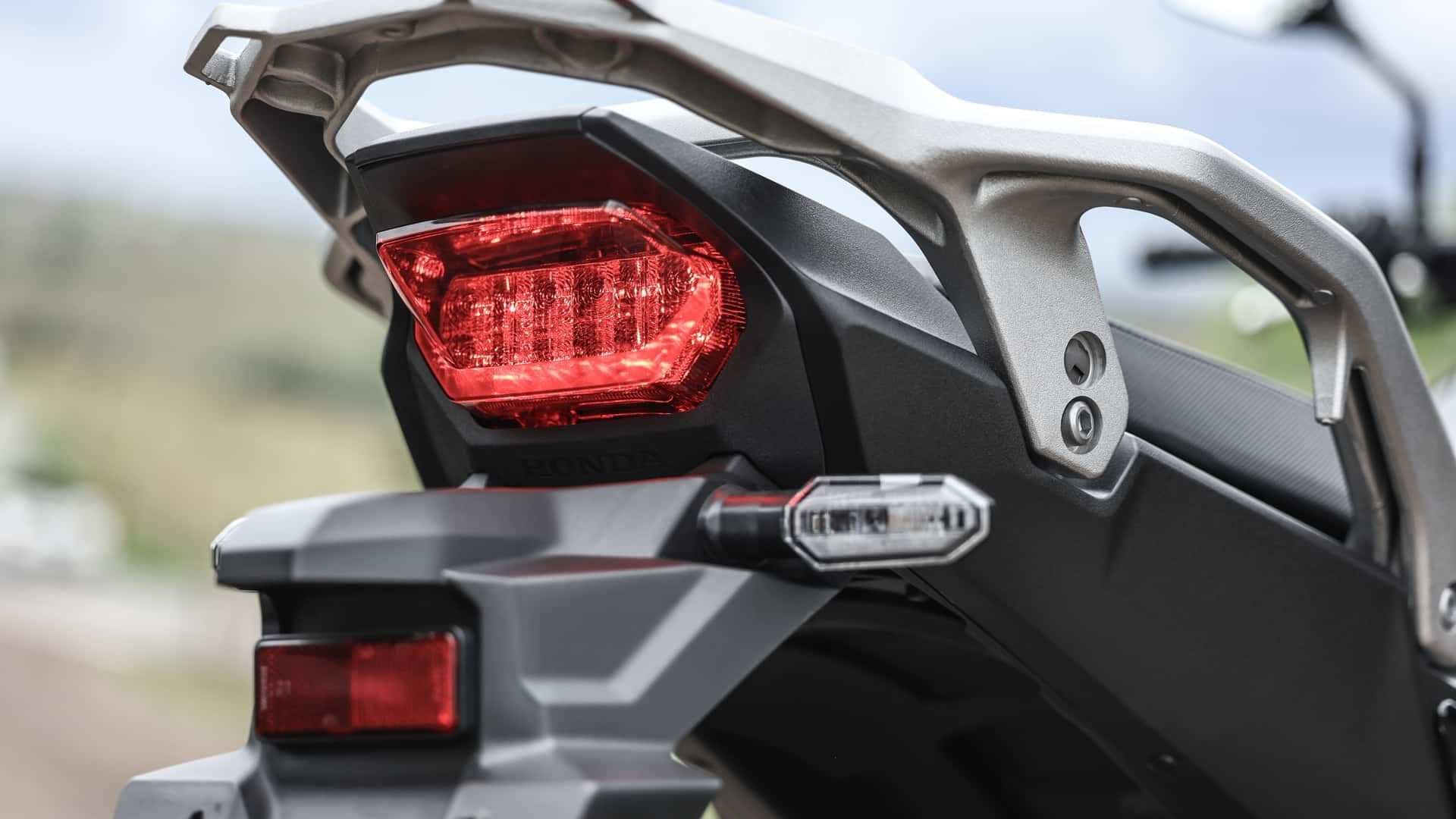


The New Generation of the Transalp Arrives in Brazil Focused on Versatility, Shared Engine with the Hornet, and Complete Electronic Package, Reinforcing the Competition in the Medium-Displacement Bigtrail Segment.
Honda launched the XL 750 Transalp 2026 in the Brazilian market, a bigtrail that revives a classic name from the brand and becomes part of the adventurous models line above the medium displacement category.
The motorcycle arrives at dealerships in December, with a suggested retail price of R$ 65,545 at the base in São Paulo, a value that does not include freight or insurance.
With a mixed-use proposal, the new Transalp was developed to perform in both urban commuting and longer trips, including dirt roads and more demanding off-road sections.
-
The car stored for 38 years: when opening the barn door, what appears is breathtaking and looks like a scene from a movie!

-
Fiat works miracles in the Brazilian market, lowers the price of its 0 km hatch to R$ 69,990, reestablishes the model as the cheapest car in the country, and reignites the battle against Kwid and C3.
-
Chevette with cooking gas: How the gas cylinder ends up being used in cars clandestinely and why this makeshift solution can result in leaks, explosions, damaged engines, and seized vehicles.

-
Fiat launches the new 2027 Toro hybrid with 48V, 176 hp, an electric motor of 15.5 hp, a 0.85 kWh battery, up to 7% fuel savings, 8% fewer emissions, and possible exemption from IPVA.

The model occupies the space for those looking for a more robust adventure crossover than the intermediates, but still distant from the larger maxi-adventure models.
Engine and Performance of the XL 750 Transalp
The heart of the XL 750 Transalp is the 755 cm³ inline twin-cylinder engine, the same setup used in the CB 750 Hornet.
In the adjustment for the Brazilian market, the engine delivers 69.3 hp at 7,000 rpm and 7.04 kgfm of torque also at 7,000 rpm, always fueled with gasoline.
The unit features a Unicam system, four valves per cylinder, liquid cooling, and intake with Vortex Flow Ducts, which organize the airflow to improve response at low and medium RPMs.

The 270° offset crankshaft simulates the behavior of a V2, enhancing torque delivery and traction feel on uneven surfaces.
The Throttle By Wire (TBW) electronic system manages the throttle opening, allowing for the operation of different riding modes.
Like the Hornet, the power output is lower than the European version, which exceeds 90 hp.
The reduction was adopted to meet Brazilian noise emission regulations, without altering the bike’s intended use compared to what is seen abroad.
Riding Modes and Embedded Electronics
The Transalp offers six electronic usage configurations: Sport, Standard, Rain, Gravel, and two additional programmable User modes.
Each program combines levels of power, engine brake intensity, HSTC traction control operation, and ABS braking system intervention, which can be reduced or deactivated on the rear wheel, depending on the selected mode.
The display is a 5-inch color TFT screen, with three viewing layouts and operation through backlit controls on the left handle, making it easier to use during night riding.
Among the electronic safety features is the ESS (Emergency Stop Signal), which activates the turn signals during hard braking to alert following vehicles.
The motorcycle also features a USB port under the seat and a rear luggage rack included as standard, facilitating the installation of a top case and other travel accessories.
Chassis, Suspension, and Measurements

In terms of cycling, the XL 750 Transalp uses a Diamond-type steel frame, with an integrated subframe and a declared weight of 18.3 kg, designed to combine durability in severe use with good agility.
The front suspension is a Showa SFF-CA™ inverted (USD) 43 mm, with 200 mm of travel.
At the rear, the Pro-Link setup uses a monoshock with an external reservoir and 190 mm of travel.
The wheels are spoked, with a 21-inch front rim and an 18-inch rear rim, shod with 90/90-21 tires in front and 150/70-18 in the rear.
The braking system consists of two 310 mm discs in the front and a 256 mm disc in the rear, always with ABS.
In measurements, the bike features a 1,561 mm wheelbase, 212 mm ground clearance, and 855 mm seat height.
For a bigtrail in this displacement range, the seat height is relatively accessible, favoring riders of varying statures, especially in urban use and maneuvers with cargo.
The 16.6-liter fuel tank aims to ensure good autonomy, aligned with the proposal for longer trips.
Design Inspired by the Africa Twin
Visually, the XL 750 Transalp follows the design language of Honda’s adventure motorcycles and clearly adopts inspiration from the CRF 1100L Africa Twin.

The fairing lines are clean, with a functional focus, and the front optical assembly is entirely LED, featuring dual headlights.
The windshield is made from Durabio™, a high-transparency and sustainable-origin material, which incorporates a central duct to relieve wind pressure on the helmet at cruising speeds.
The aerodynamics were developed to provide reasonable protection on highways while not compromising agility in urban environments and winding roads.
At the rear, the integrated luggage rack and passenger handles reinforce the touring vocation of the model, making it easier to attach top cases, bags, or the original top case.
Accessories and Maintenance
In addition to the standard package, Honda has prepared a line of original accessories with options such as a 50-liter top box, rigid side cases, a center stand, handlebar protectors, an oil pan protector, a taller windshield, fog auxiliary lights, and rally-style footpegs.
In partnership with Alpinestars, the brand also offers technical clothing items specifically for the Transalp, such as parka jackets and riding pants.

In the after-sales service, the model follows the standard of Honda’s mid-range line, with maintenance intervals every 6,000 km, after the initial service at 1,000 km.
Price, Warranty, and Available Colors
The XL 750 Transalp 2026 will arrive at Honda’s network stores in December, with a suggested retail price starting at R$ 65,545, considering the base in the State of São Paulo and excluding freight or insurance.
The warranty is for three years, with no mileage limit, combined with the Honda Assistance program, which offers 24-hour assistance with coverage in Brazil and in South American countries such as Chile, Argentina, Uruguay, Paraguay, and Bolivia during the entire warranty period.
The colors available for the launch are pearl white and metallic black, both with specific graphics to highlight the Transalp name on the side ensemble.
With this package, Honda returns to a segment where the name has always had strong recognition among travelers and users of bigtrail bikes aimed at mixed use, which should reignite comparisons with direct rivals of the same displacement and price range.
In this scenario, will the combination of price, equipment, and adventurous vocation be sufficient to reposition the Transalp among the most desired bigtrails in the country?








Esse escapamento modelo CG foi pra acabar com o designer da motocicleta – economia de palitos de dente ou só má vontade Honda?