





 Português
  Inglês
  Espanhol
  3 min de leitura
  0 comentários



The New York Bridge Not Only Connects Communities, But Also Redefines Construction and Safety Standards in the Region.
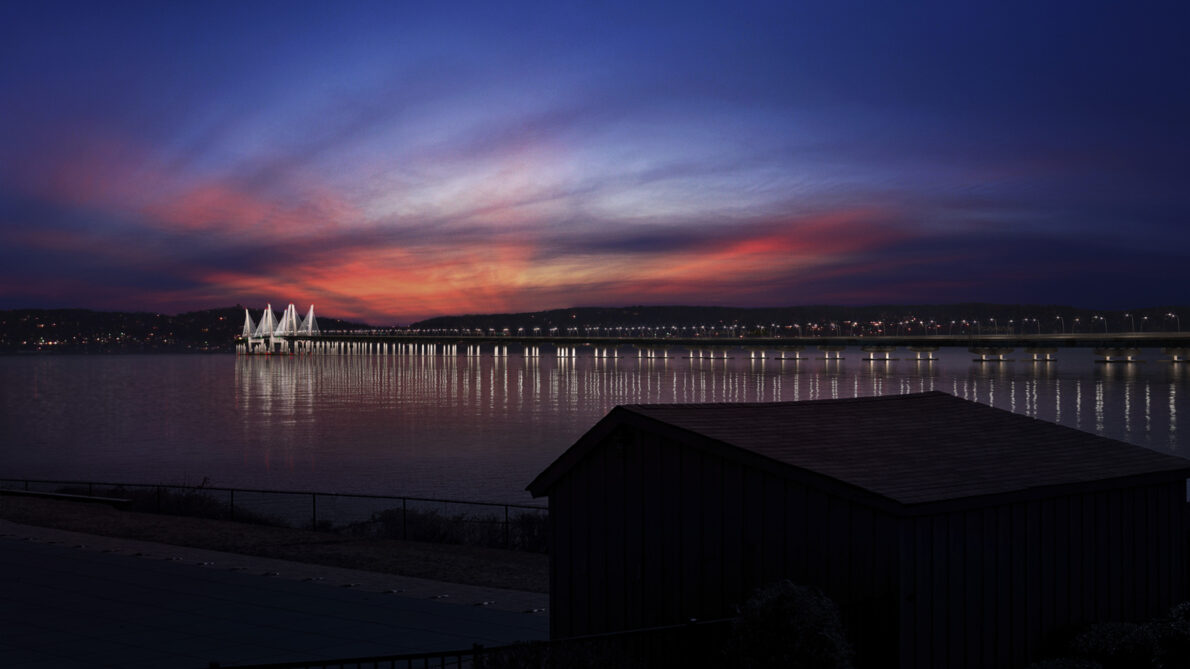
Over the waters of the Hudson River, the new New York bridge is a true spectacle of modern engineering. This imposing structure, inaugurated to replace an old bridge from 1955, not only facilitates the movement of thousands of vehicles daily but also delights cyclists and pedestrians with its shared pathway. But what makes this construction so special? What challenges were faced during its execution and how does it impact the economy and the lives of the surrounding communities?
Located between the cities of Tarrytown and Nyack, the New York bridge is a vital crossing between Westchester and Rockland counties. With a total length of approximately 4,881 meters, this impressive structure stands out not only for its length but for its modern cable-stayed bridge design, which has become an icon on the region’s skyline. The project, which initially had a budget of $3.14 billion, was designed to support a much larger traffic volume than its predecessor, reflecting significant advancements in capacity and safety.
New York Bridge Includes Eight Lanes of Traffic
The new New York bridge includes eight lanes of traffic and a shared pathway for bicycles and pedestrians, promoting accessibility and sustainability. Modernizing the existing infrastructure was crucial, especially considering the substantial growth in traffic in the region since the original bridge was constructed in 1955. At that time, the structure supported about 40,000 vehicles per day; today, that number exceeds 140,000, an increase that required a robust and lasting solution.
-
A megaproject worth R$ 89 billion is advancing in Iraq and promises to change the game in global trade by creating a new corridor between Asia and Europe, reducing traditional routes and repositioning the country as a logistics powerhouse.
-
Goodbye bedside table: floating shelves become a trend in 2026 by freeing up space in the bedroom, improving circulation, bringing visual lightness, and integrating technology without taking up floor space.

-
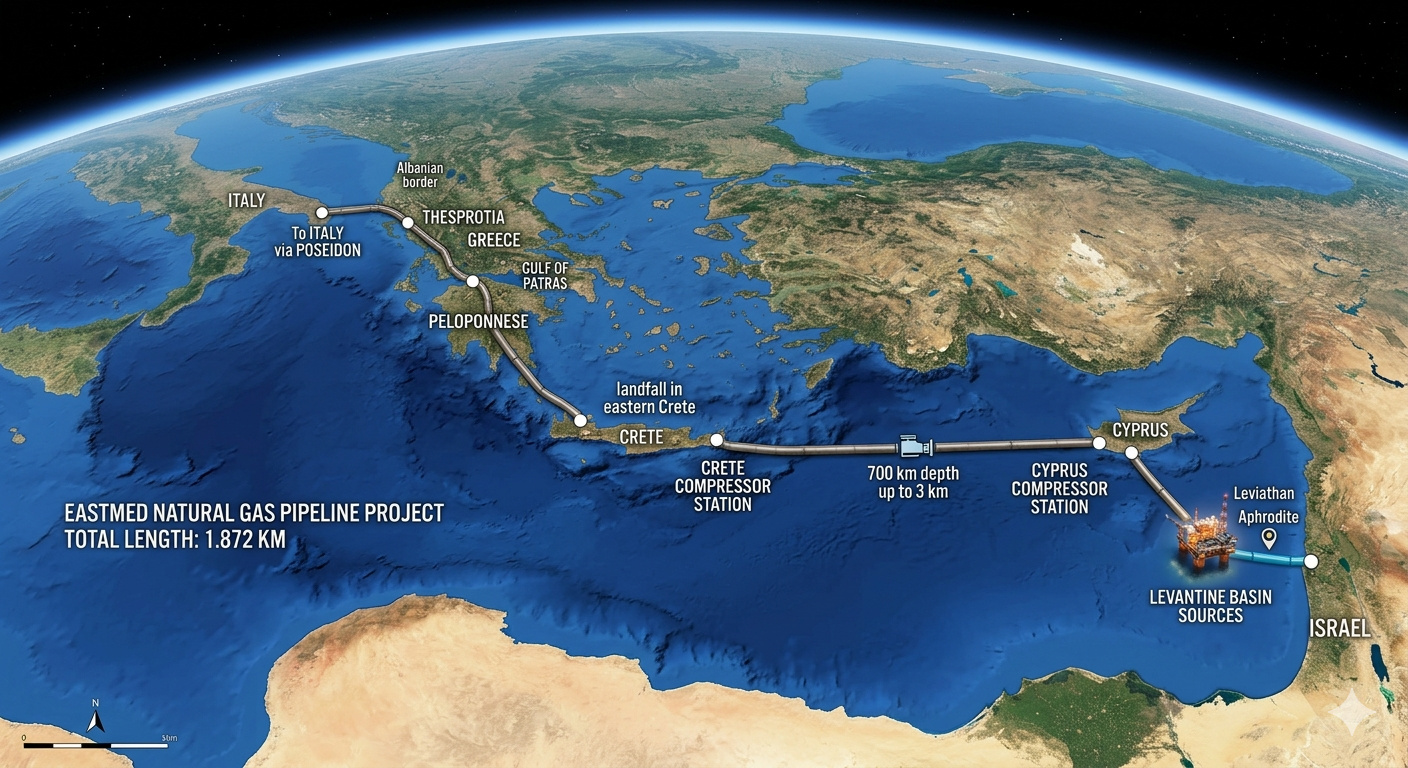
Israel, Greece, and Cyprus signed an agreement in 2020 to transport gas from the Mediterranean to Europe via a 1,872 km pipeline, but Turkey claimed sovereignty over part of the maritime route, and the project never materialized.
-
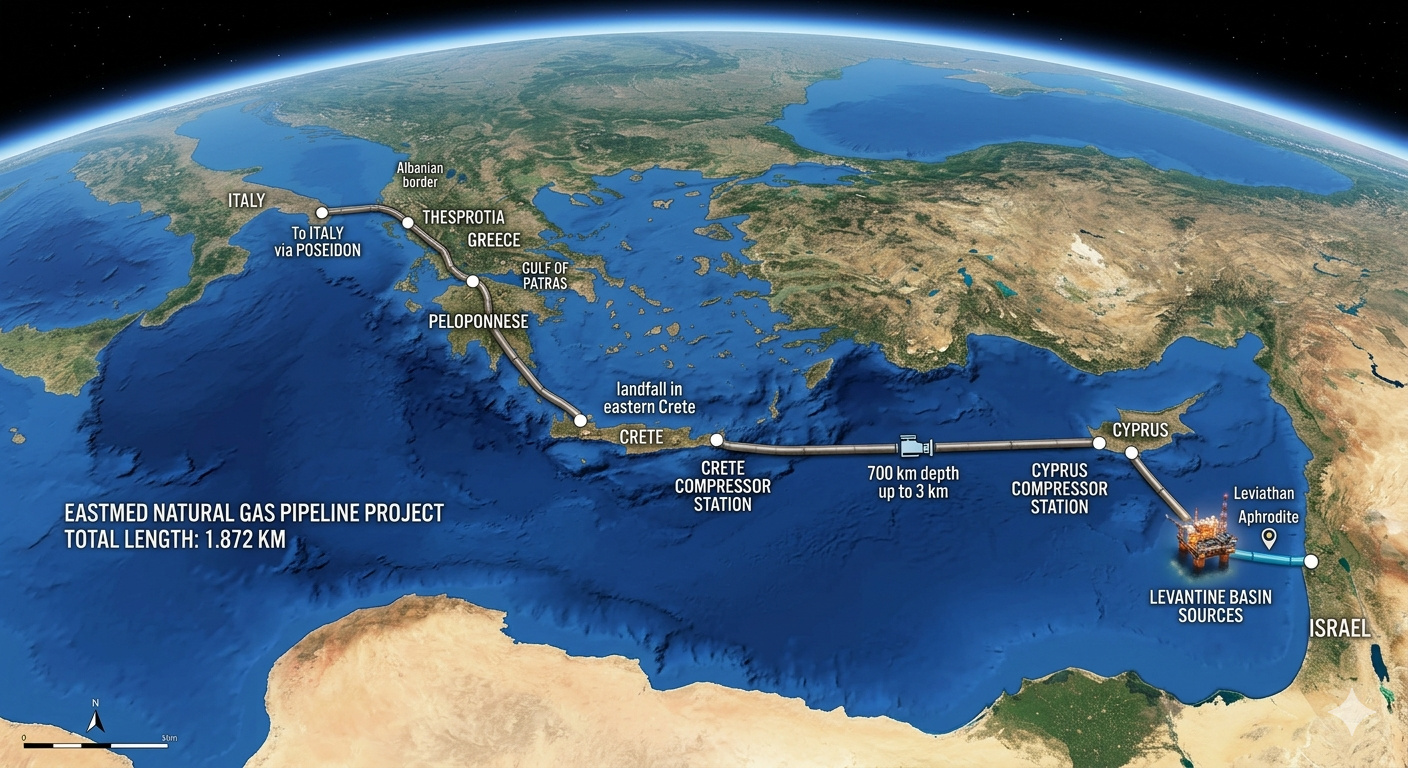
Israel, Greece, and Cyprus signed an agreement in 2020 to transport gas from the Mediterranean to Europe via a 1,872 km pipeline, but Turkey claimed sovereignty over part of the maritime route, and the project never materialized.

Construction Process of This Bridge
The construction process of this bridge was a true technical challenge. In 2011, after the collapse of the I-35W bridge over the Mississippi River in Minnesota, the need for a new structure that could guarantee the safety of users became clear. The construction of the new New York bridge began in October 2013, led by the consortium Tappan Zee Constructors, which included engineering giants like Fluor Corporation and American Bridge Company. One of the highlights of this project was the use of the Left Coast Lifter, one of the most powerful floating cranes in the world, essential for the installation of the large pre-assembled segments of the bridge.
Dredging to Remove Contaminants from the Hudson River
In addition to its functional importance, the New York bridge also stands out for its commitment to sustainability. During construction, extensive dredging was conducted to remove contaminants from the Hudson River, preparing the ground for the new infrastructure and caring for the aquatic environment. In August 2017, the new northern span was inaugurated, marking a significant milestone in the project, while the southern span was completed in September 2018, after overcoming unexpected challenges during the demolition of the old bridge.
In 2018, Allegations Emerged About Critical Failures in the Bridge Bolts
However, not everything was smooth. The inauguration of the new New York bridge was overshadowed by controversies related to structural integrity. In 2018, allegations emerged about critical failures in the bridge bolts, essential for its stability. Although an independent investigation concluded that there were no immediate risks, the concerns raised by hydrogen embrittlement generated public unease and led to calls for a more in-depth federal investigation.
It Symbolizes Not Only an Architectural Feat
Despite these challenges, the future of the New York bridge looks promising. With the resolution of safety issues and ongoing monitoring of its structural integrity, the bridge is destined to become a vital landmark for transportation in the New York region. It symbolizes not only an architectural feat but also a commitment to modernization and traffic efficiency, connecting communities and fostering regional development in a meaningful way.
The new New York bridge is more than just a simple crossing over the Hudson River; it is a testament to human ingenuity, resilience, and the commitment to a more connected and safer future for all who depend on this essential route.










Seja o primeiro a reagir!