





 English
  Francês
  Alemão
  Italiano
  Japonês
  Norueguês
  Portuguese
  Spanish
  4 min of reading
  0 comments


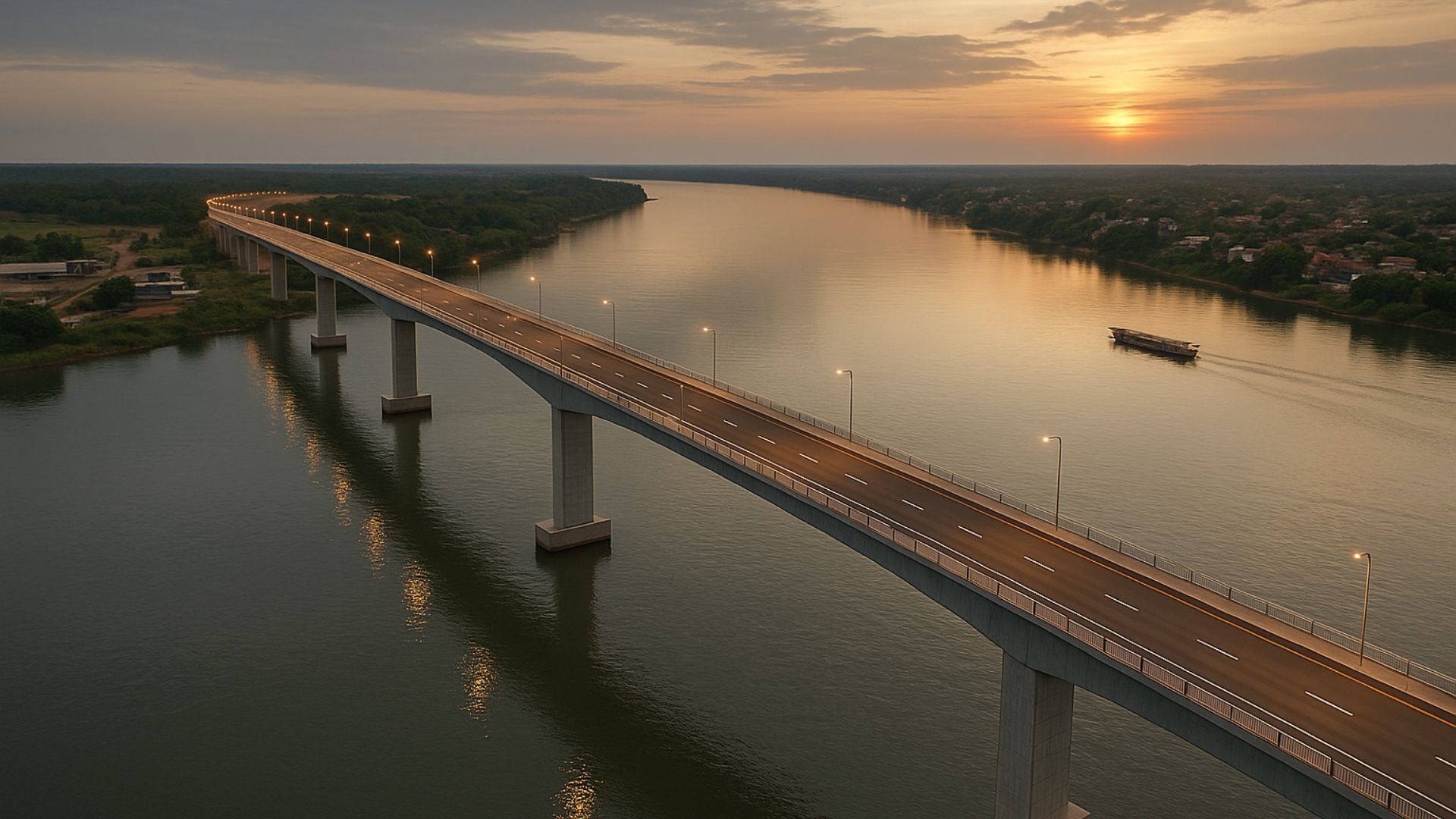
Binational Infrastructure Project Promises to Change Logistics, Mobility, and Economic Integration in the South Border, Replacing the Ferry Crossing with a Permanent, Modern, and Technologically Monitored Link Between Rio Grande do Sul and Misiones.
The construction of a new bridge between Brazil and Argentina, connecting the municipalities of Porto Xavier in Rio Grande do Sul to San Javier in the province of Misiones, will become one of the most significant infrastructure projects in South America.
Expected to begin in 2026, the work has an estimated cost of R$ 214 million and promises to transform logistics and the flow of people, goods, and services at the border between the two countries.
In addition to shortening distances and reducing operational costs, the 950-meter-long bridge has also been designed to operate as one of the most modern structures in Mercosur, combining road infrastructure, security systems, and monitoring technologies.
-
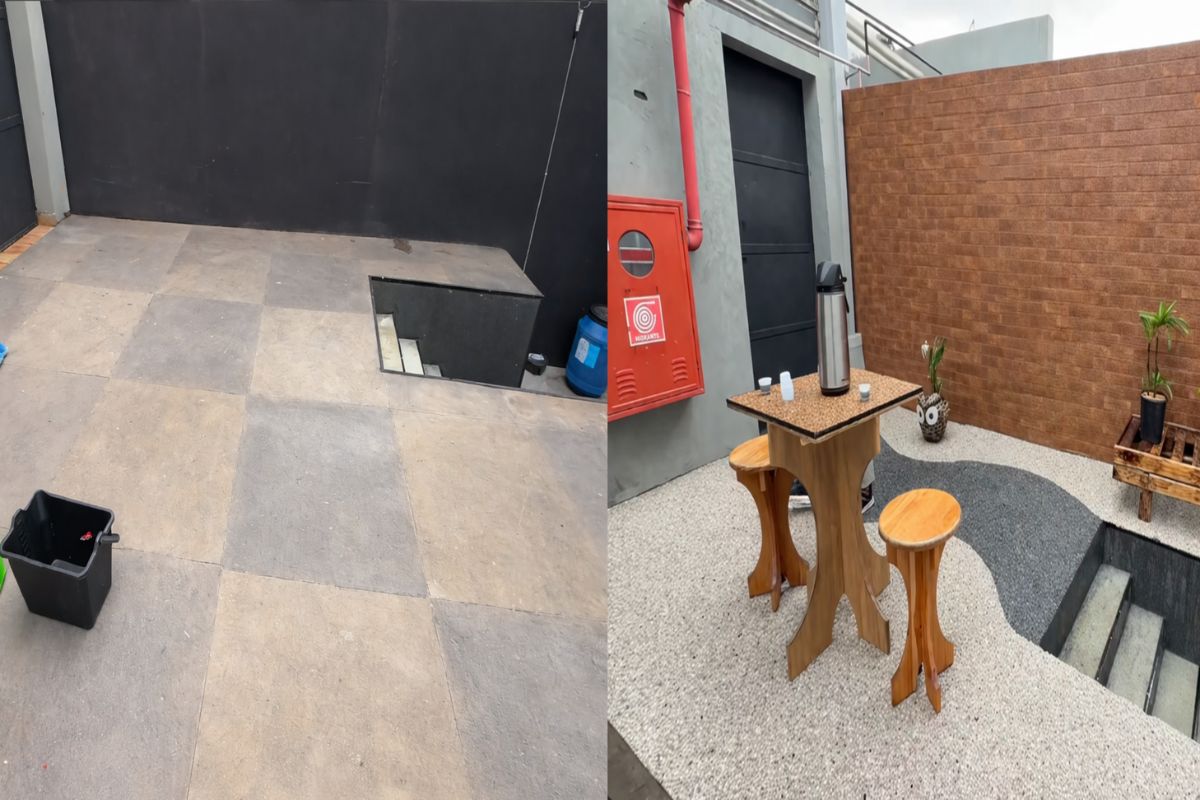
In just three hours, a natural stone floor transforms the entrance of the house with an organic effect, immediate drainage, and a sophisticated non-slip finish that doesn’t puddle water, dries quickly, and impresses with the final result.
-
‘Interlocking brick’ made of earth arrives in the construction industry with cost reductions of up to 40% on the project.

-
Espírito Santo will receive the largest engineering project in its history with the duplication of BR 262, which will have 50 viaducts, 28 bridges, and 2-kilometer tunnels cutting through the most challenging mountainous region of the entire state.

-
A project of nearly 9 million reais already has the first kilometer paved in Santa Catarina and promises to completely transform the access between Jaraguá do Sul and Rio dos Cedros in an area where tourism is growing at a rapid pace.

Current Ferry Limits Circulation and Regional Logistics
Today, the link between Porto Xavier and San Javier relies exclusively on ferries.
These vessels operate with time restrictions, limited capacity, and a strong dependence on weather conditions, compromising the predictability of the crossing.
Drivers, residents, and exporting companies are directly impacted by delays, queues, and temporary interruptions.
In cargo transport, the effects are even more sensitive, especially for agribusiness and regional trade.
The new bridge eliminates these limitations by creating a continuous road link, reducing historic bottlenecks at the border.
Brazil–Argentina Bridge Expands Logistical Integration in Mercosur
The strategic nature of the work is directly linked to regional integration.
The bridge will establish a permanent logistics corridor between the northwest of Rio Grande do Sul and the northeast of Argentina.
This connection will allow shorter and more efficient routes, reducing detours currently necessary for other customs, such as Uruguaiana.
As a result, the project is expected to redistribute flows of cargo and passengers in the south of the continent, with direct implications for bilateral trade and the internal dynamics of Mercosur.
Authorities and experts believe that the work can strengthen productive chains linked to agriculture, industry, and logistics services.
Structure Was Designed for Increased Traffic and Safety
The project for the Porto Xavier–San Javier bridge was developed to support economic growth and increased traffic in the coming decades.
The structure will have approximately 950 meters in length, with its deck located about 18 meters above the level of the Uruguay River, ensuring river navigation.
The design includes two lanes for light and heavy vehicles, as well as a bike lane and pedestrian walkway.
The estimated width ranges between 17.4 and 17.5 meters, including wide side shoulders.
Technology, LED Lighting, and Real-Time Monitoring
Among the main features of the new bridge is the incorporation of technology.
The structure will have LED lighting, which offers greater energy efficiency and better night visibility.
A real-time monitoring system is also planned, with cameras and sensors for traffic and road safety control.
These resources position the bridge as an advanced frontier management point, integrating mobility, inspection, and safety.
Customs Control and Border Modernization
The project includes the establishment of specific areas for migratory and customs control at the bridge heads.
These structures will follow security standards adopted in international crossings between Brazil and Argentina.
The expectation is to reduce queues, improve traffic flow, and increase predictability in transport operations.
Replacing the ferry with a fixed link also raises safety standards for vehicles and pedestrians.
Federal Investment and Project Timeline
The investment of approximately R$ 214 million will be financed by the Federal Government of Brazil.
The contract includes the preparation of the basic and executive projects, the construction of the bridge, road accesses, and environmental obligations.
The timeline expects construction to start in 2026, with an estimated duration of four years.
Completion is projected for 2030, considering testing, paving, implementation of safety systems, and adjustments to road accesses.
Economic Impacts in Porto Xavier and San Javier
From an economic and social perspective, the new bridge is expected to generate direct impacts on the cities of Porto Xavier and San Javier.
The expectation is to attract new investments, generate jobs, and increase regional circulation.
Companies will have shorter and more predictable routes to distribution centers and ports.
Residents will gain easier access to services, job opportunities, and cross-border tourism.
The region will more strongly integrate into circuits that include wineries, historic towns, and natural areas of the Southern Cone.
Potential to Reorganize Flows in the Southern Cone
Experts believe that the bridge can reorganize part of the logistical flows in southern Brazil and northern Argentina.
By creating a stable international corridor, the Porto Xavier–San Javier link begins to compete for prominence with other established crossings.
The project ends a wait of over 90 years for a permanent link in the area.
The bridge also projects itself as a symbol of bilateral cooperation and may pave the way for new joint projects in infrastructure, trade, and tourism.
Will this new road connection be able to durably change the map of logistical and economic integration in Mercosur?






-

-

4 pessoas reagiram a isso.