





 Portuguese
  English
  Spanish
 3 min of reading
  0 comments


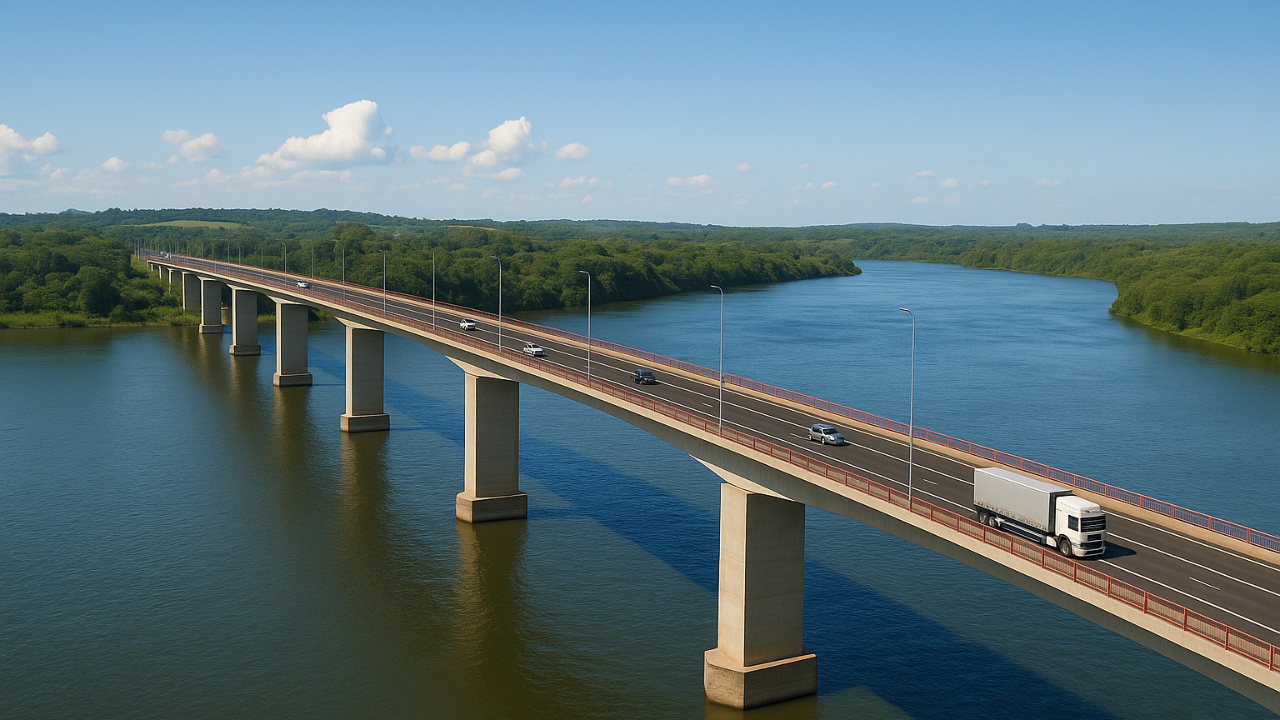
New Bridge Will Connect Brazil to Neighboring Country and Promises to Be the Most Important in Latin America, Connecting Porto Xavier to San Javier.
A new bridge will connect Brazil to a neighboring country and promises to be the most important in Latin America by creating a direct route between Porto Xavier, in Rio Grande do Sul, and San Javier, in Argentina.
The project, officially announced to start in 2026, will be built over the Uruguay River, with a total investment of R$ 214 million.
The construction addresses a demand of nearly a century discussed since 1934 and aims to transform the flow of people and goods between the two countries, offering a safe and reliable alternative to the ferries currently in operation.
-
São Paulo surprises the world with a colossal railway network project that promises over 1,000 km of tracks, R$ 194 billion in investments, and 40 projects connecting the capital to the interior with fast and sustainable trains.

-
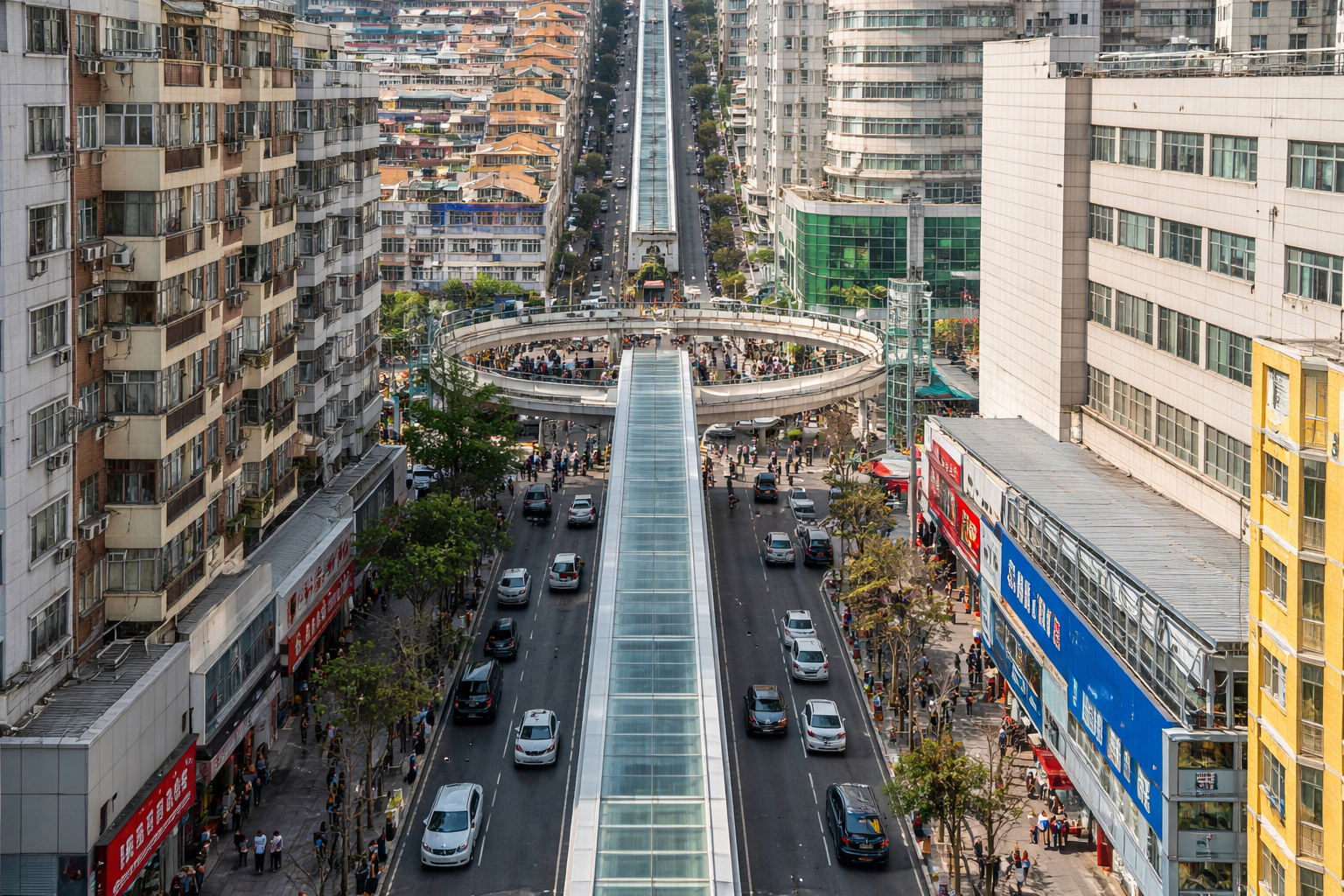
The world’s largest escalator, measuring 905 meters in China, reduces urban travel time from 1 hour to about 20 minutes and transforms mobility in mountainous regions with an engineering solution adapted to the terrain.
-
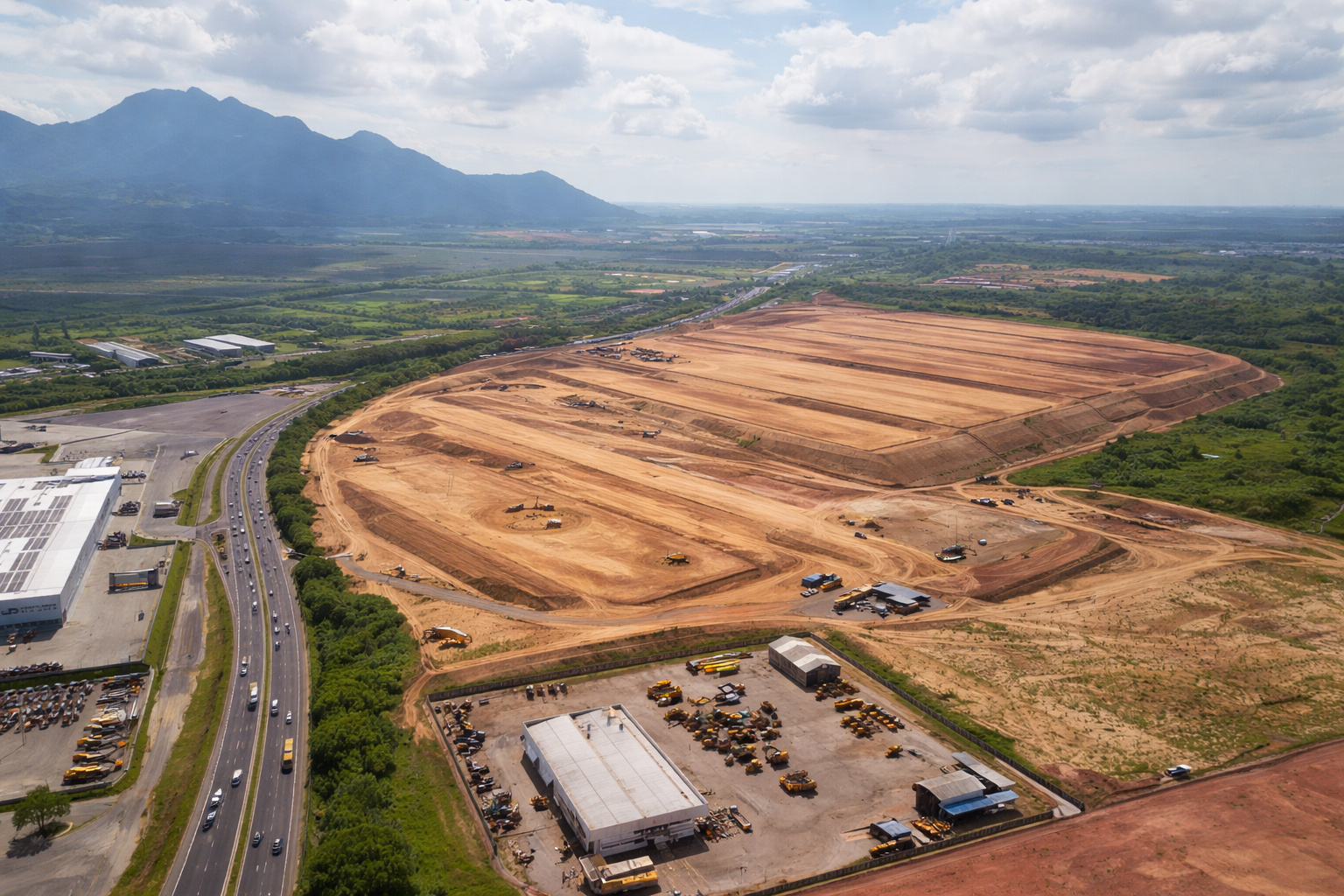
A R$ 300 million logistics giant is taking shape in Serra with over 100,000 m² and raises a question: how can this transform e-commerce and distribution in the state?
-
Could Uber Rides Lose Minimum Fare? Understand What’s Happening!


Moreover, the initiative seeks to modernize the logistics corridor of the region, strengthen productive sectors such as agribusiness, industry, and commerce, and expand border tourism.
Therefore, governments and communities believe that the new bridge could reshape regional development and consolidate a permanent integration axis.
History and Strategic Importance of the New Bridge
The idea of connecting Porto Xavier and San Javier by a bridge is not new.
Its first proposal arose in 1934, but technical difficulties, high costs, and political changes over the decades prevented it from materializing.
Now, with consolidated planning and guaranteed investments, the new bridge will connect Brazil to a neighboring country and promises to be the most important in Latin America by eliminating logistical bottlenecks and increasing the competitiveness of both economies.
As a result, drivers, residents, and transporters face constant delays and unpredictability in cargo flow. The bridge addresses this historical fragility.
Structure of the San Javier–Porto Xavier Bridge
The structure was designed to accommodate economic growth and increased vehicle traffic. The project includes:
950 meters in length
18 meters above water level, allowing navigation
Two lanes for vehicles
A bike path, encouraging sustainable mobility
LED lighting
A real-time monitoring system, essential for safety at the border
Thus, the new bridge will connect Brazil to a neighboring country and promises to be the most important in Latin America also due to the technological modernization applied to traffic control and enforcement.
Funding and Responsibilities of Brazil
The Federal Government of Brazil has assumed the majority of the costs and administrative stages of the project. Among the responsibilities are:
Environmental licensing
Necessary expropriations
Adjustments to the executive project
Oversight of construction
According to the contract, 1,440 days of execution and 1,620 total days of validity are planned, ensuring legal security and a defined timeline.
When Will Construction Start and When Will It Be Inaugurated?
Construction is scheduled to begin in 2026, with completion expected in 2030.
This period will allow for testing, implementation of security systems, paving, and necessary adjustments to road access from both countries.
When inaugurated, the bridge is expected to profoundly alter regional dynamics, reducing logistical costs, speeding up international transport, and attracting new investments to the Brazil–Argentina axis.
Expected Economic and Social Impacts
The bridge will be crucial for enhancing the integration of agribusiness, industry, and international trade.
As a result, various companies will be able to reduce export timelines and improve supply chains.
Similarly, residents on both sides of the border will find it easier to access services, work, and commute daily.
Furthermore, tourism is expected to grow, as the new roadway opens opportunities for routes connecting historic cities, wineries, and valued natural areas in the Southern Cone.
A Historic Milestone for Latin America
By reorganizing logistics, boosting the economy, and overcoming a wait of more than 90 years, the new bridge will connect Brazil to a neighboring country and promises to be the most important in Latin America, consolidating a new chapter in South American integration.
Thus, the region is expected to enter an unprecedented phase of development, with efficient mobility and expanded opportunities.









Seja o primeiro a reagir!