





 Portuguese
  English
  Spanish
  4 min of reading
  33 comments


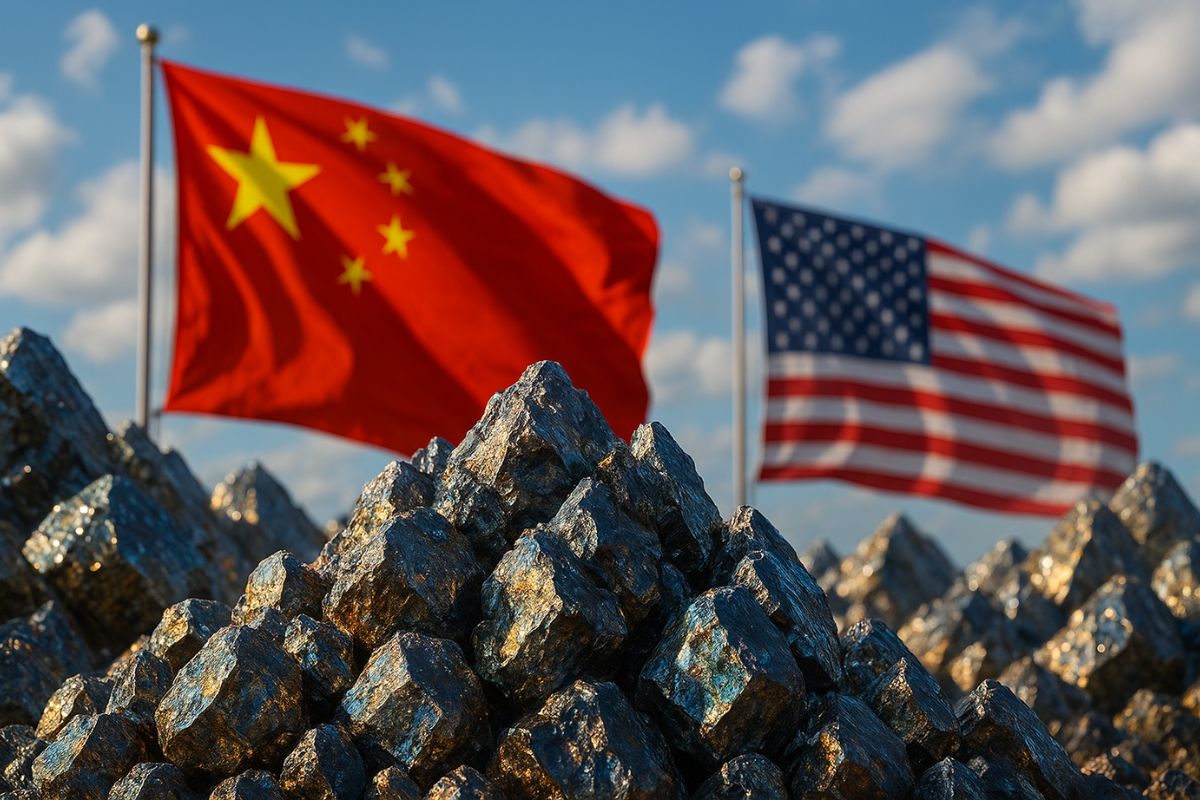


New China Rule Strengthens Control Over Rare Earth Mining. The New China Rule Expands State Control Over The Mining And Processing Of Rare Earths, Strengthening The Country’s Global Dominance In This Strategic Sector.
According to Estadão, the new China rule was announced this Friday (22) by the Ministry of Industry and Information Technology. The measure reinforces controls over extraction, refining, and trade of rare earths, essential minerals for the production of electric vehicles, smartphones, wind turbines, and military jets.
Companies operating in the sector will now be required to comply with strict quotas, seek government approvals, and accurately report production volumes. In case of non-compliance, they may face legal penalties and reductions in operating permits. For experts, the new China rule further consolidates the country’s power over a market that it almost exclusively dominates.
Who Is Affected By The New China Rule?
The new China rule affects both local and foreign companies that send minerals to the country for processing. Beijing requires that all handling of rare earths be reported directly to the central government, expanding control over the production chain.
-
Elderly individuals aged 65 or older who have never contributed to the INSS can receive R$ 1,621 per month in 2026 without having paid any contributions in their lifetime: learn how the benefit works that already supports nearly 7 million Brazilians.

-
The gaucho city reduced the number of Bolsa Família beneficiaries by almost 40% in just a year and a half with active outreach that connects each registered person directly to job vacancies in Bento Gonçalves in Rio Grande do Sul.
-
The bluest city in Brazil has just gained a new floating bridge for the free crossing between the island and the mainland, connecting residents and visitors to the historic center of São Francisco do Sul every day of the week.

-
In a silent race, Shopee signs a mega contract in Guarulhos and accelerates the e-commerce war with faster deliveries, pressured shipping, and a new threat to rivals in Brazil.


Today, China processes almost 90% of global production and holds 50% of known reserves of these minerals. The country also imports inputs from Myanmar and other neighbors, reinforcing its position as a global hub. The immediate effect should be felt in markets like the United States, which depend on over 70% of the rare earths refined in China.
What Do Rare Earths Represent For The Global Market?
Although they are not scarce minerals, the 17 elements classified as rare earths are difficult to mine in economically viable concentrations. This explains the high production cost and the high strategic value associated with them.
The new China rule signals Beijing’s intention to keep prices under control and hinder competition, imposing stricter environmental standards and centralizing oversight. The measure reinforces the notion that China intends to dictate the pace of global supply, especially in critical areas for the energy transition and the defense industry.
Where Do The Tensions With The United States Fit In?
The tightening of regulations comes amid the technological war between China and the United States. In April, after tariffs imposed by Donald Trump, Beijing began requiring additional licenses for the export of seven minerals, citing national security.
With the new China rule, the message is clear: any attempt to restrict Chinese access to advanced technologies could be met with the closure of strategic inputs for the American industry. This move amplifies fears of shortages and places rare earths as a central piece in global trade negotiations.
Why Is The New China Rule Strategic?
In addition to controlling supply, the new China rule strengthens the country as a dominant player in critical chains. With a monopoly on refining technologies and a consolidated position in reserves, Beijing shows it intends to use rare earths as a geopolitical and economic instrument.
Experts point out that the measure could directly affect industrial chains linked to renewable energy, defense, and semiconductors, sectors where the U.S. and Europe are trying to reduce dependence. For Brazil, which seeks to enhance its own critical minerals, the Chinese move is a warning about the importance of investing in refining technology and not just in commodity exports.
Is It Worth Waiting For New Impacts On The Market?
There are still no details on production or export limits, but the trend is that the new China rule will put pressure on international prices and uncertainties for large manufacturers. At the same time, it could open space for other countries to invest in exploration and refining, seeking to reduce dependence on Beijing.
The consolidation of this model places China in a prominent position to negotiate in future trade agreements and expand its influence over critical supply chains, especially in the context of the global energy transition.
The new China rule on rare earths is more than just a regulatory adjustment: it is a strategic move that reaffirms Beijing’s power in a sector vital for the technological and energy future of the world. Consequently, the geopolitical dispute surrounding these minerals is expected to intensify.
Do you believe that the new China rule could accelerate the technological independence of other countries or merely increase global dependence on Beijing? Share your opinion in the comments — your perspective is crucial for us to understand the upcoming developments.








Só negociamos com países que dividem suas tecnologias, se não, não.
É isso que eu chamo de tacada de mestre. O Brasil precisa fazer a mesma coisa quanto as nossas terras raras.
Só **** e incapaz mental entrega o seu ouro na mão do ****.
O Brasil e sua natureza já era pra tá dominando muita coisa. Sendo que as lideranças corruptas não deixam. Aí essas notícias chegam parecendo como se o Brasil tivesse uma natureza pobre. Sendo que o líder prefere dá dinheiro pra explorar a riqueza de país aliado e ficar por isso mesmo. Enquanto isso a China com **** ficando cada vez mais rica e o Brasil com sua **** tendo dificuldades.