





 Portuguese
  English
  Spanish
  3 min of reading
  0 comments


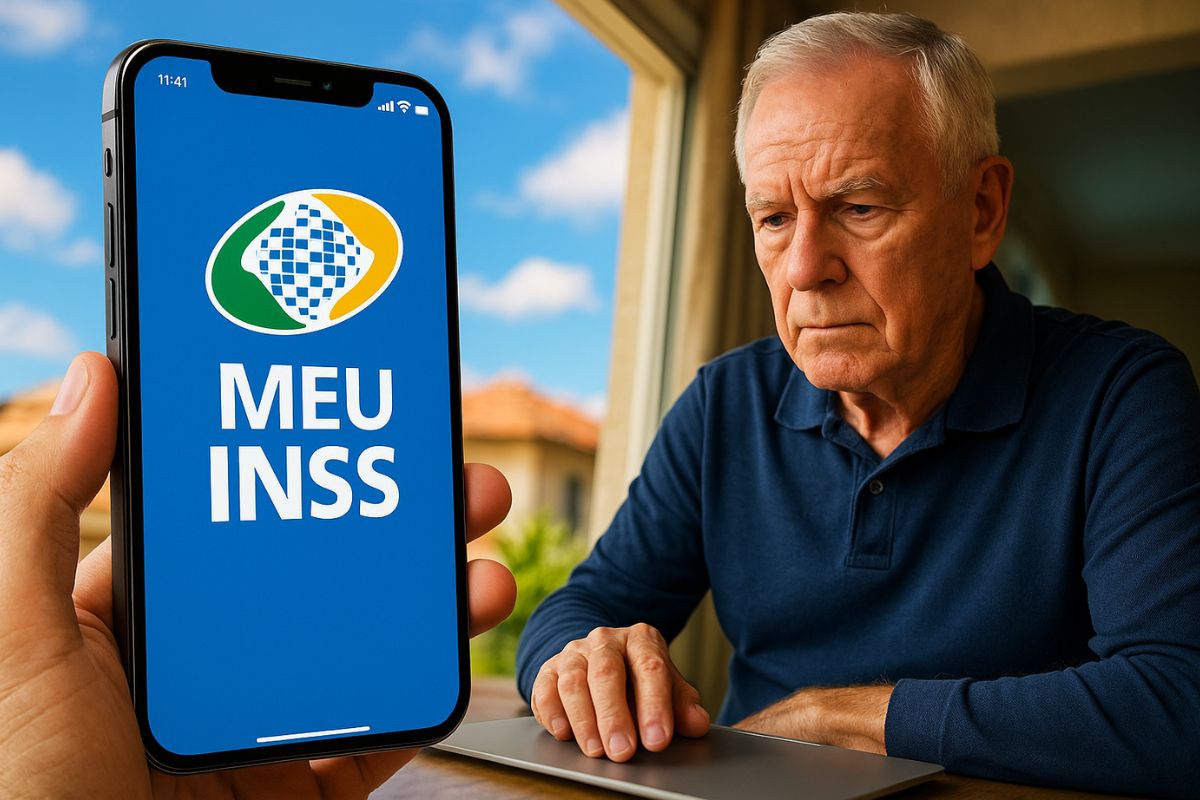
Proof of Life 2025: How the INSS Will Find Out If You Are Alive. The Verification Process Has Changed and Now the System Does Automatic Data Cross-Referencing. See How the INSS Will Find Out If You Are Alive in 2025.
The proof of life is mandatory for millions of beneficiaries and, in 2025, it will continue to be done digitally. Since 2023, the responsibility for proving existence has shifted from the citizen to the Institute itself. Thus, the big question is: how will the INSS find out if you are alive?
According to the agency itself, this change aims to reduce bureaucracy, prevent fraud, and ensure that beneficiaries receive their payments without unjust interruptions. In practice, the system performs automatic searches in official databases to confirm the beneficiary’s life, eliminating the need to visit agencies or banks.
How the INSS Will Find Out If You Are Alive in 2025
Verification occurs through the cross-referencing of information in public and private systems. Among the main records used by the INSS are bank transactions, registrations in the SUS, issuance of official documents, and even vaccinations.
-
Brazilian city bets on the business environment to generate jobs and attract investments in the energy sector — secretary reveals strategy at Macaé Energy 2026.

-
50 viaducts, 4 tunnels, 28 bridges, and 40 kilometers of bike paths: BR-262 in Espírito Santo will receive 8.6 billion reais for the largest engineering project in the state’s history, inspired by the Immigrant Highway in São Paulo.

-
Brazil produces too much clean energy and doesn’t know what to do with it: over 20% of solar and wind capacity was wasted in 2025 while investors flee and 509 renewable generation projects were abandoned in the last year.

-
Piauí will produce a new fuel that replaces diesel without needing to change anything in the truck’s engine and reduces pollutant gas emissions by half: truck drivers from all over the Northeast are already celebrating the news that will arrive later this decade.


The following are also included in this monitoring:
- Access to the Meu INSS app, especially with Gold seal;
- Payroll loans made with biometrics;
- In-person or telemedicine medical examinations;
- Updates in CadÚnico;
- Issuance or renewal of CNH, ID, passport, or voter registration;
- Income Tax Declaration;
- Service in public security agencies.
If the system detects any recent activity, the proof of life is automatically validated, without the citizen needing to do anything.
Who Needs To and Who Is Exempt
Not all beneficiaries need to worry. The INSS maintains exemption rules for specific cases. Elderly individuals with mobility difficulties, short-term beneficiaries, and people with medical impediments may be exempt from the process.
Even so, the official recommendation is to always keep personal data updated in the Meu INSS app and in the banks responsible for payments. This reduces the risk of undue blocks.
Proof of Life Abroad
Another important update is the expansion of proof of life for those living outside the country. In 2025, the INSS started to integrate international control systems, allowing verification to be done digitally, without the need to visit consulates or embassies.
This update is especially relevant for retirees and pensioners living in countries with large Brazilian communities, such as Portugal, the United States, and Japan.
What To Do If the Proof of Life Is Not Registered
If the message “Proof of life not completed” appears on Meu INSS, the beneficiary needs to correct the situation. This can be done with facial recognition via the app, or, as a last resort, in person at accredited agencies.
Ignoring this issue may result in the suspension of benefits, something that often has an immediate impact on the financial life of retirees or pensioners.
In 2025, the great change is that how the INSS will find out if you are alive no longer depends on lines and travel. The system now works in favor of the beneficiary,cross-referencing official data and providing more convenience.
And you, have you noticed this change in your benefit? Do you think the way the INSS will find out if you are alive really makes it easier or still brings insecurity? Leave your opinion in the comments — your experience can help other readers.









-

-

-

-

-

-

66 pessoas reagiram a isso.