





 Portuguese
  English
  Spanish
  3 min of reading
  19 comments





New Work Rule Redefines Activity on Sundays and Holidays Starting in 2026. The new work rule, defined by the federal government, reinstates the requirement for collective bargaining for the operation of commerce on Sundays and holidays.
The new work rule was announced by the Ministry of Labor and Employment and will take effect on March 1, 2026. It is the application of Ordinance No. 3,665/2023, which reestablishes the requirement for a collective agreement to allow work on these days. According to the government, the change aims to strengthen social dialogue and restore protagonism to the unions.
The postponement of the measure, announced by Minister Luiz Marinho, provides time for employers and workers to prepare for the transition. The new work rule directly affects the retail sector but also impacts the dynamics of labor negotiations throughout the country.
What Is the Importance of the New Work Rule?
The new work rule represents a return to the original determination of Law No. 10,101/2000, which requires a collective agreement to authorize activity on holidays. In practice, this means that no company will be able to open on these days without first negotiating with the respective union.
-
Elderly individuals aged 65 or older who have never contributed to the INSS can receive R$ 1,621 per month in 2026 without having paid any contributions in their lifetime: learn how the benefit works that already supports nearly 7 million Brazilians.

-
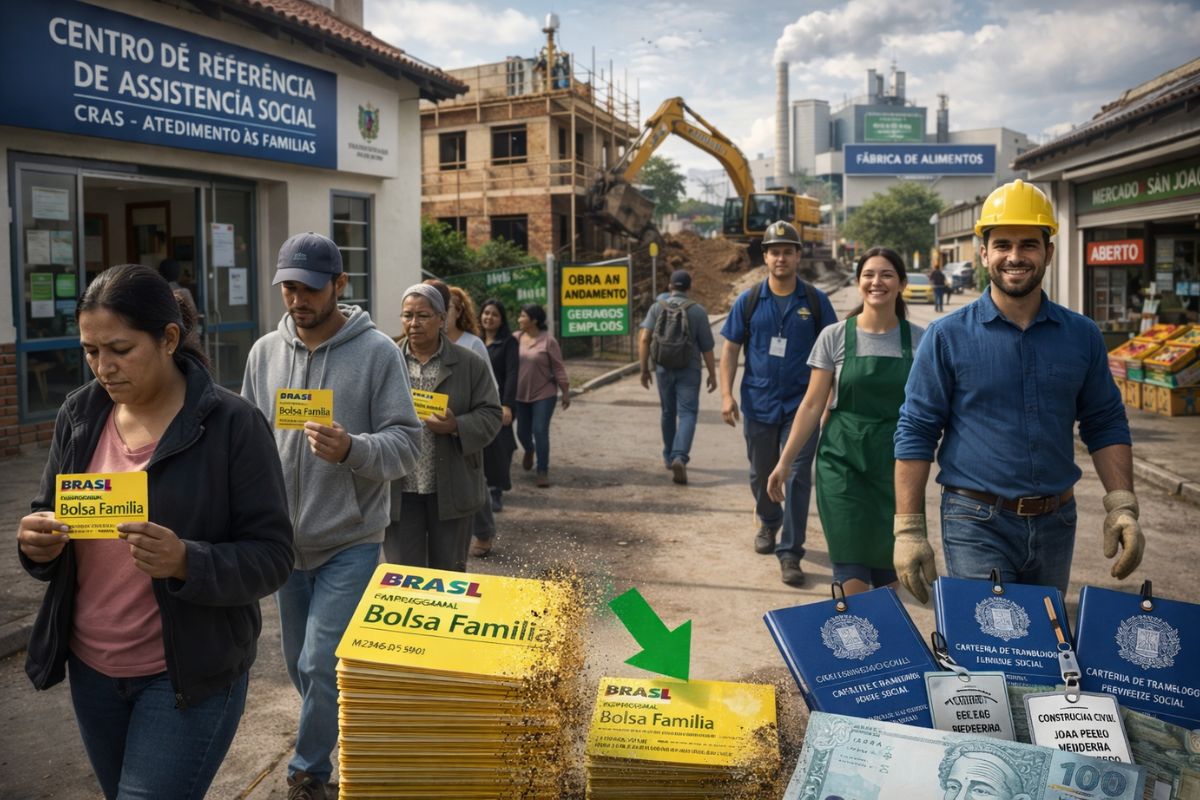
The gaucho city reduced the number of Bolsa Família beneficiaries by almost 40% in just a year and a half with active outreach that connects each registered person directly to job vacancies in Bento Gonçalves in Rio Grande do Sul.
-
The bluest city in Brazil has just gained a new floating bridge for the free crossing between the island and the mainland, connecting residents and visitors to the historic center of São Francisco do Sul every day of the week.

-
In a silent race, Shopee signs a mega contract in Guarulhos and accelerates the e-commerce war with faster deliveries, pressured shipping, and a new threat to rivals in Brazil.


This movement reversed the flexibility that occurred with Ordinance No. 671/2021, which allowed openings without prior agreements. With the reinstatement of the requirement, the government strengthens the role of unions and creates a mechanism for protecting workers, ensuring that decisions regarding Sundays and holidays are made jointly and not unilaterally.
How Does Collective Bargaining Strengthen Labor Relations?
The requirement of the new work rule not only addresses working days but also encompasses an entire model of dialogue that can balance interests and create fairer solutions. Collective bargaining typically defines minimum wages, rules for time banks, benefits like meal vouchers, and working conditions, enhancing workers’ guarantees.
Moreover, this process generates a positive effect for companies, which then have clear and legitimized agreements with the union. This reduces conflicts and brings legal security for employers.
What Are the Impacts of the Postponement Until 2026?
The government postponed the implementation of the new work rule to allow for more solid negotiations. This transition period is seen as a strategic opportunity for companies and unions to create more personalized and sustainable agreements.
Among the main effects of the postponement are:
- Increased dialogue and planning, allowing the parties to express their needs calmly.
- Specific agreements by sector and region, tailored to local realities.
- Strengthening trust between employers and employees, creating an environment of cooperation instead of confrontation.
Why Is the New Work Rule Relevant for the Future?
The requirement for collective bargaining set forth in the new work rule is part of a broader context of valuing institutional relations between companies and workers. In addition to addressing holidays and Sundays, it opens space for other important conditions to be reviewed and updated.
Experts point out that, by restoring protagonism to collective agreements, the government aims to prevent the deterioration of labor conditions and promote balance in sector disputes. This measure could serve as an example for other segments of the economy facing similar challenges.
The new work rule is more than just a bureaucratic change. It marks an attempt to revalue labor unions, balance interests, and promote social justice on a historically controversial issue in Brazil.
Do you believe that the new work rule will benefit employees or employers more? Share your opinion in the comments — your perspective can enrich the debate about the future of labor relations in the country.









A lei 386 não é negociável, tem
Que ser cumpridas é lei e aqui na minha cidade somente a empresa havan nao está cumprindo .
Necessário essa lei ser válida para o comércio segmento supermercado escala 6×1, uma escala desgastante que tira a vida social e familiar dos funcionários, por tão pouco que se ganha de salário e pra uma carga horária pesada. Essa lei precisa ser válida para esse ramo de supermercado
Isso só serve pra quem trabalha na área de escritório , mas pra pessoa que trabalha no comércio nada muda , domingo a domingo