





 Portuguese
  English
  Spanish
  4 min of reading
  0 comments


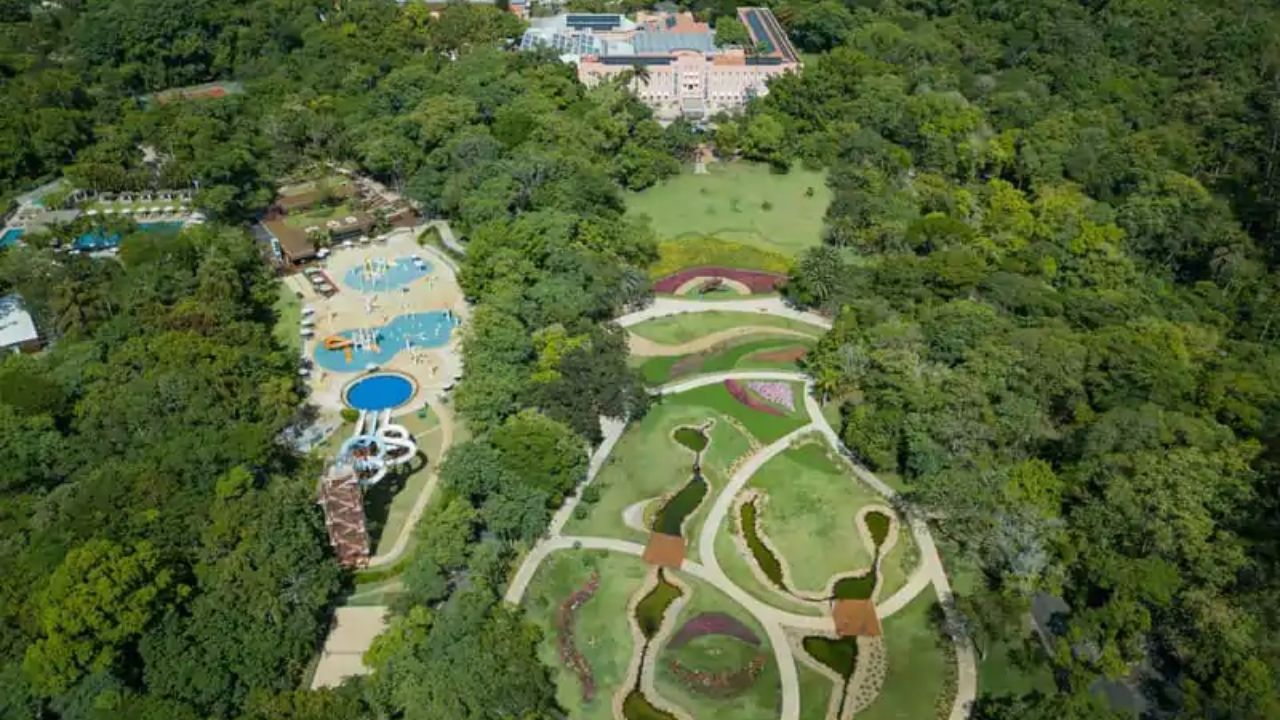
Forget The Traffic And Insecurity: These New Regional Poles Are Redefining Living And Working In Brazil, Proving That Development Can Be Achieved Outside The Capitals With Efficient Management And Innovation.
Brazil is undergoing a clear urban reconfiguration. A silent yet powerful movement shows that development can be achieved outside the capitals, with thousands of families trading large metropolises for medium-sized centers. This phenomenon, driven by the search for balance between career and well-being, is consolidating new economic poles that are rapidly growing, offering safety, lower cost of living, and qualified job opportunities, as recent Socioeconomic Development and Governance Indices analyzed by Correio Braziliense and Agência DC News indicate.
This is not a long-distance migration, like the historical Northeast-Southeast axis. The current trend, according to data from the 2022 Census, is for regional displacements, where cities with more than 500,000 inhabitants lose ground to intermediate centers. The pandemic accelerated this search, but the repelling factors of the capitals, chaotic traffic and high crime rates, and the attraction of medium-sized cities, efficient management and innovation, are the true driving forces behind this transformation.
The “Metropolis Cost”: Why Are Capitals Expelling Talents?
The phenomenon of deconcentration is not just about attracting people to the countryside, but about the growing repulsion of large capitals. The deterioration of quality of life and the rising costs—financial, time, and mental health—have made metropolitan life unsustainable for many. The main repelling factor is time. Studies on Urban Mobility and Quality of Life, released by Agência Brasil, indicate that capital residents spend, on average, about 2 hours a day commuting, which amounts to 21 lost days per year in traffic.
-
From sertanejo star to international investor: Ana Castela invests millions in a mansion in the USA, creates a themed accommodation in Orlando, and shows that the “boiadeira” also wants to grow away from the stage.

-
The 10 most stunning motorhomes in the world: a $3 million trailer with a rooftop nightclub and garage for a Ferrari, “palaces on wheels” with Italian marble, private cinema, and five-star hotel luxury for billionaires.
-
Trump wanted to spend $400 million on the White House, but the courts prohibited the million-dollar construction.

-
How the Egyptians erected giant structures like pyramids, temples, and obelisks without modern technology, cranes, or engines still amazes the world and reveals the power of engineering based on ramps, levers, ropes, and colossal organization.


This time cost is not just an inconvenience; it directly impacts human capital. In addition to the erosion of quality of life, daily stress increases, and 80% of respondents in studies report that mobility difficulties lead them to give up leisure or study activities. Added to this is the public safety crisis and real estate speculation, which suffocate residents. The prohibitive cost of housing, where capitals have more vacant properties than homeless people, makes migration to the countryside a strategic decision for financial arbitration and well-being.
The Attraction of New Poles: Efficient Management and Thriving Economy
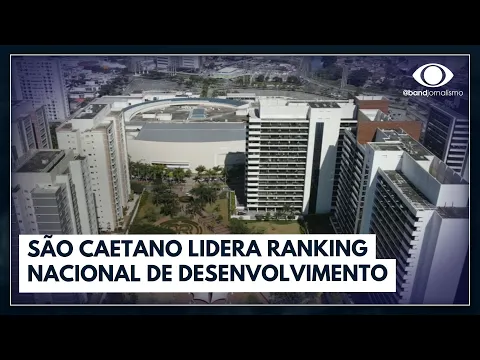
If capitals repel, medium cities attract with excellent management. The proof that development can be achieved outside the capitals lies in the indicators. According to surveys such as the Firjan Municipal Development Index (IFDM), highlighted by Correio Braziliense and Agência DC News, intermediate municipalities often occupy the top spots in rankings. Cities like São Caetano do Sul (SP) and Águas de São Pedro (SP) consistently win awards for management excellence and very high IDHM (0.862 and 0.8932 in IFDM, respectively). Indaiatuba (SP) combines a strong industrial hub with the title of safest city in Brazil for consecutive years. Jundiaí (SP) utilizes its strategic logistics close to the capital (IDHM 0.822), while Nova Lima (MG) (IDHM 0.813) attracts high incomes from Belo Horizonte seeking residential comfort and tranquility.

The South stands out for innovation and quality of life. Maringá (PR), with an IDHM of 0.808, has become a hub for technology and agribusiness (AgTech), with a robust startup ecosystem. Florianópolis (SC) (IDHM 0.847), the “Silicon Island”, is a global destination for digital nomads, combining technology and nature. Balneário Camboriú (SC), with an IDHM of 0.845, has a high-value real estate and tourism market that drives rapid growth and high liquidity.
The phenomenon is spreading to other regional poles. Goiânia (GO) (IDHM 0.799) offers a rare balance between cost-benefit, capital infrastructure, and quality of life, attracting real estate investors. Niterói (RJ), with an IDHM of 0.837, is consolidating itself as a high-quality refuge on the outskirts of the carioca metropolis, distinguished by excellent fiscal management and top-notch services.
The Future And The Challenges Of Accelerated Growth

This rapid growth, while positive, brings urgent challenges. Cities that have grown more than 100% in the last decade, such as Extremoz (RN) and Itapoá (SC), risk repeating the mistakes of the metropolises if there is no strict planning. Migration cannot create “new urban catastrophes” if population growth is not accompanied by investments in sanitation, housing, and, mainly, mobility.
The imperative for these new poles is sustainable urban planning. As discussed by mobility experts consulted by Agência Brasil, it is crucial to invest in traffic management technologies and smart city solutions to avoid congestion. Furthermore, promoting the local economy should focus on talent qualification, as seen in Maringá, integrating universities and companies to ensure that the jobs created are absorbed by the local workforce and the new qualified migrants, ensuring that growth is inclusive.
The migration to medium-sized cities is a one-way path that redefines the Brazilian urban network. The quest for safety, free time, and efficient public management proves that development can be achieved outside the capitals and that quality of life has become the country’s most valuable asset.
Do you agree with this change? Do you think this impacts the market? Leave your opinion in the comments, we want to hear from those who live it in practice.







-

Uma pessoa reagiu a isso.